




Understanding the Fibre Gap
Dietary fibre is a plant-based carbohydrate that our bodies can't digest. It plays a crucial role in maintaining good health by regulating bowel movements, controlling blood sugar levels, lowering cholesterol, and feeding healthy gut bacteria. The Indian
Council of Medical Research (ICMR) suggests adults aim for about 25 to 40 grams of fibre daily. However, studies show that many urban Indians consume only around 15 grams per day, creating a significant 'fibre gap'. This deficiency is linked to rising issues like constipation, bloating, and an increased risk of chronic diseases. The shift towards processed foods and refined grains is a major contributor to this problem.
Whole Grains: The Foundation of Your Meal
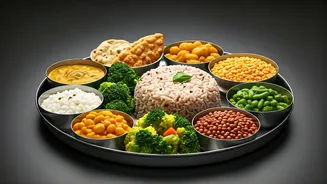
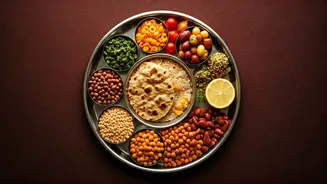
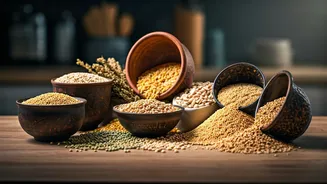
The base of many Indian meals is a powerhouse of fibre. Instead of refined white rice or maida, opt for whole grains. Whole wheat atta for rotis and parathas is a simple, everyday source of fibre. Millets like jowar (sorghum), bajra (pearl millet), and ragi (finger millet) are traditional staples packed with insoluble fibre that aids digestion. A single ragi or bajra roti can significantly boost your intake. Swapping white rice for brown rice in dishes like khichdi or pulao is another easy way to add more fibre to your plate. These grains not only provide fibre but also release energy slowly, keeping you full for longer.
Lentils and Legumes: The Protein-Fibre Punch
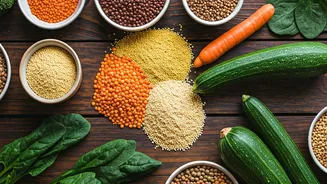
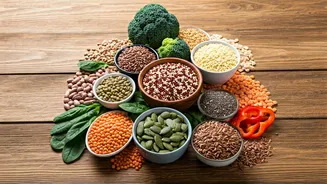
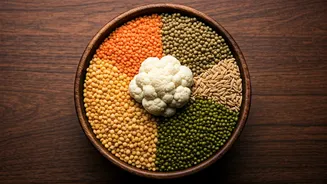
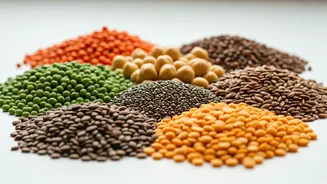
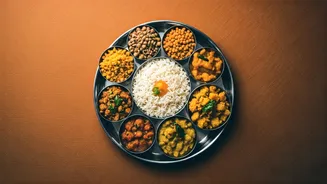
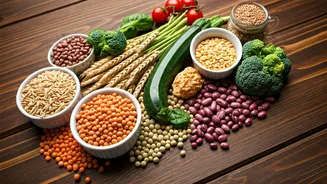
No Indian meal is complete without a dal. Lentils and legumes like moong, masoor, chana (chickpeas), and rajma (kidney beans) are excellent sources of both protein and soluble fibre. Soluble fibre dissolves in water to form a gel-like substance that helps manage blood sugar and cholesterol. A single serving of dal can provide a substantial portion of your daily fibre needs. Dishes like chole, rajma masala, and sprouted moong salads are delicious ways to ensure you're getting enough. Soaking lentils before cooking can also make them easier to digest.
Vegetables: More Than Just a Side Dish
The colourful array of sabzis on an Indian plate is a fantastic source of fibre. Vegetables like bhindi (okra), spinach, beans, carrots, and sweet potato are rich in this essential nutrient. Traditional preparations like baingan bharta (mashed eggplant), thoran (a Keralan vegetable stir-fry with coconut), and mixed vegetable curries are naturally high in fibre. Don't forget leafy greens like methi (fenugreek) and spinach, which can be easily incorporated into parathas, dals, or sabzis to increase their fibre content. Aim to fill at least half your plate with vegetables to get a wide range of nutrients and fibre.
Fruits, Nuts, and Seeds: Fibre-Rich Snacking
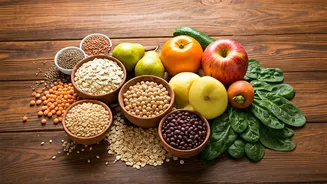
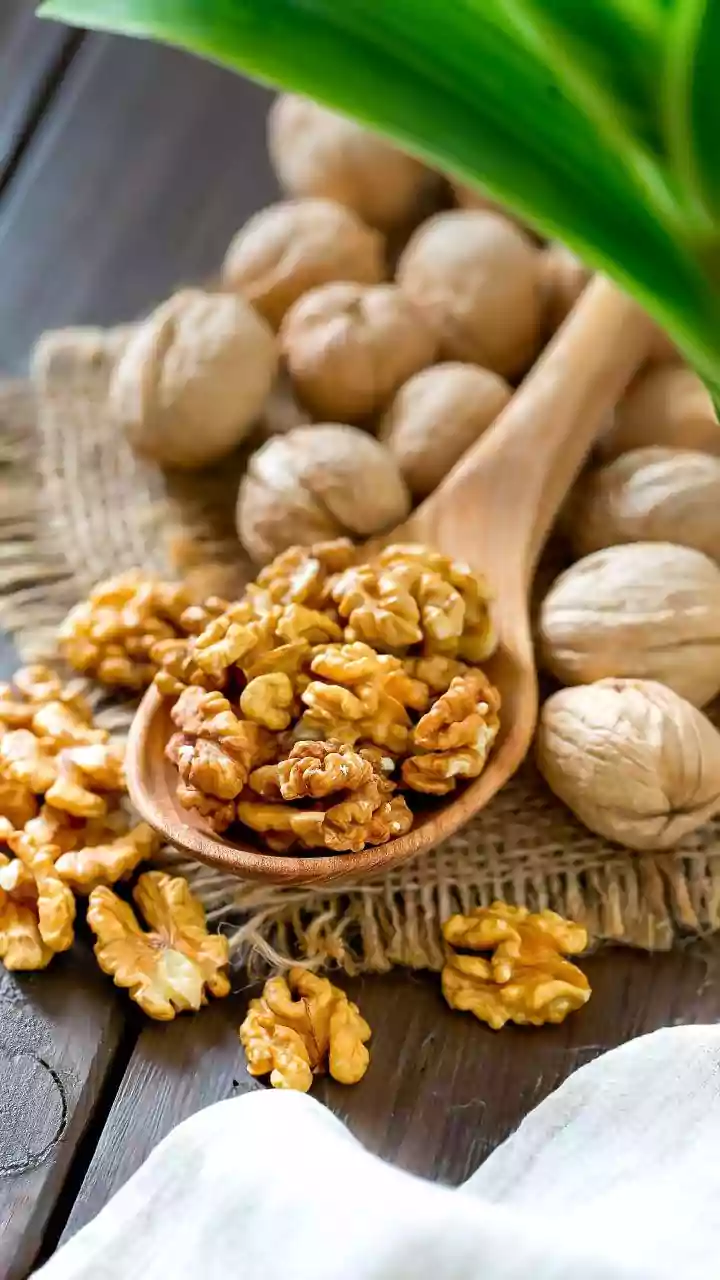
Beyond main meals, smart snacking can also help close the fibre gap. Many Indian fruits are fibre-rich. Guava is one of the best sources, followed by apples (eaten with the skin), papaya, and bananas. For a crunchy, fibrous snack, turn to roasted chana or a handful of almonds and walnuts. Seeds like flaxseeds and chia seeds can be easily sprinkled over curd, porridge, or salads. These not only add fibre but also provide healthy fats and other essential nutrients, making them a much better choice than processed snacks.