






The Rain-to-Rupee Connection
India's agricultural sector is deeply dependent on the southwest monsoon, which provides about 70% of the country's annual rainfall. This water is crucial for the Kharif or summer cropping season, which is when a majority of staples are grown. A weak
or delayed monsoon, as is being forecast, directly impacts farm output. After one of the driest Junes in over a century, the India Meteorological Department (IMD) has predicted that rainfall in July 2026 is also likely to be below normal. This deficit, driven by strengthening El Niño conditions, threatens to reduce the harvest of key crops, leading to lower supply and, consequently, higher prices in the market.
Your Grocery List Under a Weak Monsoon
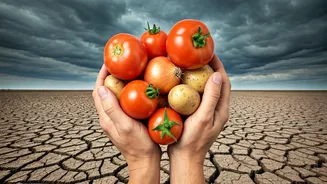
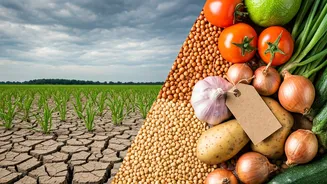
Not all grocery items are affected equally. The most vulnerable are rain-fed crops grown during the Kharif season. Expect potential price increases for pulses like tur (arhar), coarse cereals, and oilseeds such as soybean. Vegetables like onions and tomatoes, which are sensitive to both water scarcity and heat, could also see significant price volatility. Rice, a major Kharif crop, is also at risk, as delayed rains can postpone sowing and transplanting, affecting the final yield. Nearly half of India's farmland lacks access to irrigation, making these crops entirely reliant on the monsoon's performance. Lower production of these staples directly translates to higher costs for consumers.
The Ripple Effect on Prices
The impact of a poor monsoon isn't confined to the farm. It creates a chain reaction that affects the entire food supply system. Lower water levels in reservoirs can limit hydropower generation, potentially increasing energy costs. This makes everything from cold storage to transportation more expensive, adding to the final price you pay at the local kirana store or supermarket. These rising food prices contribute significantly to overall inflation, putting pressure on household budgets across the board. Historically, weak agricultural performance in India has been closely linked with periods of higher food inflation, a pattern that forces difficult decisions for both families and policymakers.
Strategies to Soften the Blow
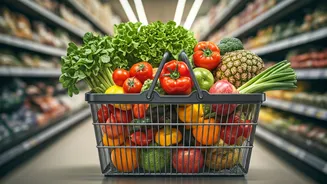
While you can't make it rain, you can adopt smarter shopping habits to manage your grocery spending. Start by planning your meals for the week before you shop; this is one of the most effective ways to reduce impulse buys and food waste. When at the store, pay attention to unit pricing to compare the true cost of different brands and sizes—the bigger pack isn't always cheaper. Buying staples like rice, dal, and flour in bulk can offer significant savings, but only for items you use regularly. Be flexible and build your meals around seasonal produce, which is typically fresher and more affordable. Finally, consider store brands, which often offer similar quality to major brands at a lower price point.