




From Trash to Treasure
In many Indian kitchens, the philosophy of using every part of a vegetable is second nature. We turn peels into chutneys and seeds into powders. Yet, the fragrant rinds of lemons, limes, and oranges often miss out on this frugal creativity. After being
squeezed for their juice, they are discarded, carrying with them essential oils, vitamins, and a world of flavour. By saving these peels, you are not just reducing kitchen waste; you are reclaiming a valuable ingredient. This simple act of upcycling connects us to a tradition of resourcefulness while adding a powerful new condiment to our pantry, one that is bursting with complex, tangy notes.
The Gut-Health Connection: Fermentation
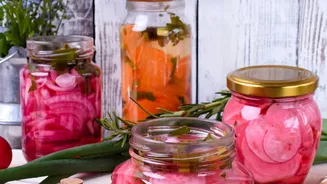
The secret to making these preserves “gut-friendly” lies in one of the oldest food processing methods known: fermentation. It’s the same magical process that gives us dahi, kimchi, and sourdough bread. Fermentation uses beneficial microorganisms, like bacteria and yeast, to break down sugars in food. A key outcome of this process is the creation of probiotics—live, healthy bacteria that can help support a balanced digestive system. A diet rich in fermented foods is increasingly recognized for its role in promoting a diverse and healthy gut microbiome, which is linked to better digestion and overall well-being.
Why Fermented Rinds Work
Citrus rinds are a fantastic candidate for fermentation. The process not only softens the tough peel, making it palatable, but also infuses it with a deep, savoury, and tangy flavour that is far more complex than the raw peel. Furthermore, citrus peels themselves contain pectin, a type of fibre that acts as a prebiotic. Prebiotics are essentially food for the good bacteria in your gut. So, when you ferment citrus rinds, you get a dual benefit: the probiotics created during fermentation and the prebiotics naturally present in the peel, creating a powerful combination to support your digestive health.
Choosing and Prepping Your Citrus
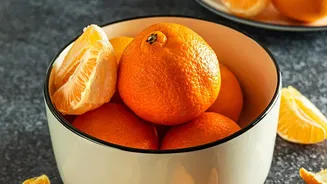
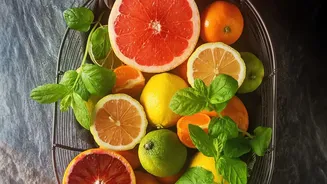
Before you begin, preparation is key to a safe and delicious result. Whenever you plan to consume the peel, it is best to use organic and unwaxed citrus. This minimizes your exposure to pesticides and other residues. If you don't have access to organic fruit, be sure to wash the rinds thoroughly. Scrub them well under warm running water with a vegetable brush. You can also give them a soak in a solution of water and vinegar or baking soda to help clean them more effectively. Once cleaned, you can use the rinds immediately or collect them in a bag in the freezer until you have enough to make a batch.
Your Step-by-Step Fermentation Guide
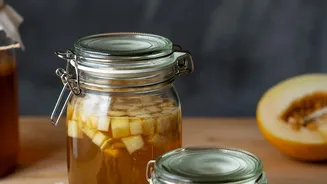
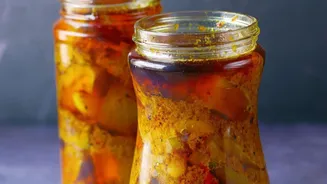
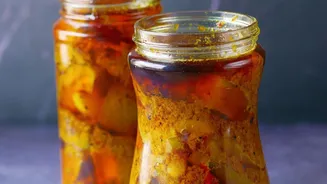
This method, known as lacto-fermentation, relies on salt to create the right environment for beneficial bacteria to thrive. You will need the peels from 5-6 large lemons or other citrus, 2-3 tablespoons of non-iodized salt (like sea salt or rock salt), and a clean glass jar with a lid. 1. Start by sterilizing your glass jar and lid in boiling water for 10 minutes. 2. Thinly slice your cleaned citrus rinds. The thinner the slices, the quicker they will soften. 3. In a bowl, toss the rinds with the salt, making sure every piece is coated. Let it sit for about 30 minutes. The salt will begin to draw water out of the peels. 4. Pack the salted rinds tightly into your sterilized jar. Press them down firmly to release more liquid. 5. The goal is for the peels to be completely submerged in their own brine. If there isn't enough liquid, you can top it up with a little filtered water. Place a small weight (like a smaller glass lid or a clean stone) on top to keep the rinds under the liquid. 6. Loosely cover the jar and leave it at room temperature for 5-7 days. 'Burp' the jar once a day by briefly opening the lid to release any built-up gases from fermentation. 7. After a week, the brine will be cloudy and tangy. Your preserves are ready. Seal the jar tightly and store it in the refrigerator, where it will keep for months.
How to Enjoy Your Tangy Creation
These fermented citrus rinds are a versatile powerhouse of flavour. They have an intense salty, sour, and slightly bitter taste that can elevate many dishes. Finely chop them and mix them with dal and rice for a flavour explosion reminiscent of a classic nimbu ka achaar. Add them to salads, marinades, or dressings for a bright, zesty kick. They are a wonderful accompaniment to grilled fish or chicken and can even be blended into a paste to liven up a simple soup or lentil dish. Start with a small amount, as the flavour is concentrated, and discover how this humble preserve can transform your everyday meals.