
The Zero-Waste Kitchen Philosophy
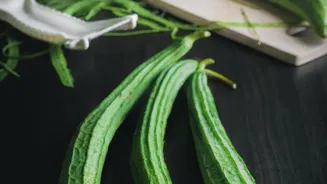
In many Indian households, the concept of 'root-to-stem' cooking has been practised for generations. This philosophy isn't just about sustainability; it's about unlocking flavour and nutrition from parts of vegetables that are often discarded. Bottle
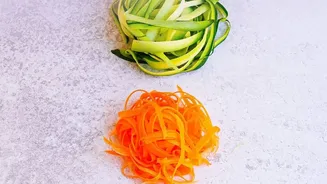
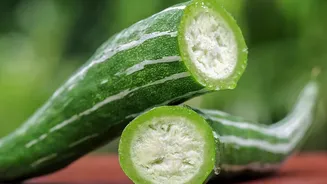
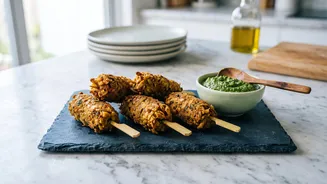
gourd peels, for instance, are a great example. They are rich in fibre and can be used to make a variety of dishes, from chutneys and stir-fries to these delicious kebabs. Embracing this approach not only reduces food waste but also introduces new textures and tastes to your meals, proving that some of the most flavourful ingredients might already be in your compost bin.
Selecting and Cleaning the Peels
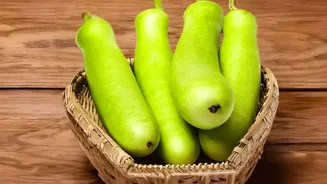
The first and most crucial step is preparation. Start with a fresh, young bottle gourd, as the skin will be tender. Avoid gourds that are bitter, as this taste will carry through to the final dish. Wash the bottle gourd thoroughly under running water, scrubbing it gently to remove any dirt or residue. Instead of a peeler, which takes off a very thin layer, use a knife. This allows you to retain a small amount of the gourd's flesh along with the skin, which provides a better texture and more volume for the kebabs. Once peeled, you can either finely chop the peels or boil them to soften them for grinding.
Ingredients for Your Kebabs
This recipe combines the prepared peels with lentils and spices for a perfectly textured kebab. Here’s what you’ll need: - Bottle Gourd Peels: 1 cup, finely chopped or boiled - Chana Dal (Split Bengal Gram): ½ cup, soaked for at least 2 hours. - Onion: 1, finely chopped - Ginger & Garlic: 1 teaspoon each, finely chopped or paste. - Green Chillies: 2, finely chopped (adjust to taste) - Fresh Coriander: A handful, chopped - Gram Flour (Besan): 2-3 tablespoons, for binding. - Spices: ½ tsp turmeric powder, 1 tsp red chilli powder, 1 tsp coriander powder, ½ tsp garam masala, and 1 tsp chaat masala for tanginess. - Salt: To taste - Oil: For shallow frying
Creating the Kebab Mixture
Begin by pressure cooking the soaked chana dal with the bottle gourd peels, ginger, garlic, and a little water until they are soft and easily mashable. This should take about 10-15 minutes after the first whistle on low heat. Once cooked, let the pressure release naturally. Drain any excess water and allow the mixture to cool completely. Transfer the cooked peels and dal to a grinder or food processor and blend into a coarse paste; be careful not to make it too smooth, as a bit of texture is desirable. Move the paste to a large mixing bowl. Add the chopped onions, green chillies, coriander leaves, and all the powdered spices. Finally, add the gram flour to help bind everything together. Mix thoroughly until you have a firm, dough-like consistency. If the mixture feels too wet, you can add a little more gram flour.
Shaping and Frying the Kebabs
Once your mixture is ready, it's time to shape the kebabs. Lightly grease your palms with a bit of oil to prevent sticking. Take a small portion of the mixture and shape it into a round, flat patty, similar to a tikki. You can also form them into oval or cylindrical shapes if you prefer. Heat a non-stick pan or tawa over medium heat and add a couple of teaspoons of oil. Carefully place the kebabs on the pan, ensuring not to overcrowd it. Shallow fry them on medium-low heat until they are golden brown and crisp on one side, which should take about 3-4 minutes. Gently flip them over and cook the other side until it’s equally golden and crisp. Cooking on a lower flame ensures the kebabs cook through evenly without burning on the outside.
Serving Your Homemade Kebabs
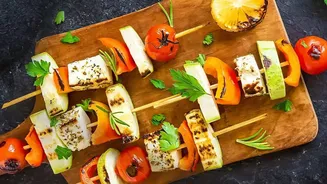
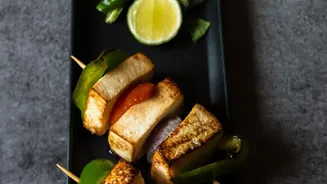
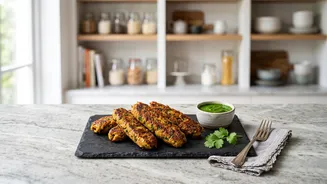
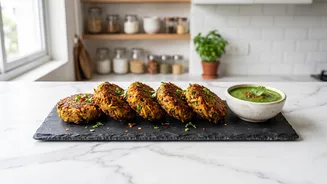
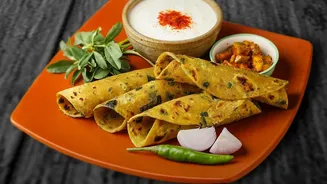
These bottle gourd peel kebabs are best served hot, straight from the pan. Their crisp exterior gives way to a soft, flavourful interior that is sure to be a pleasant surprise. They make for a fantastic evening snack or a unique party appetiser. Pair them with a vibrant mint-coriander chutney for a fresh, zesty kick, or a simple tomato ketchup. A side of thinly sliced onions and a squeeze of lemon juice can also elevate the flavours. Enjoy them on their own or use them to make a kebab roll with a paratha for a more filling meal.