


The Peril of a New Territory
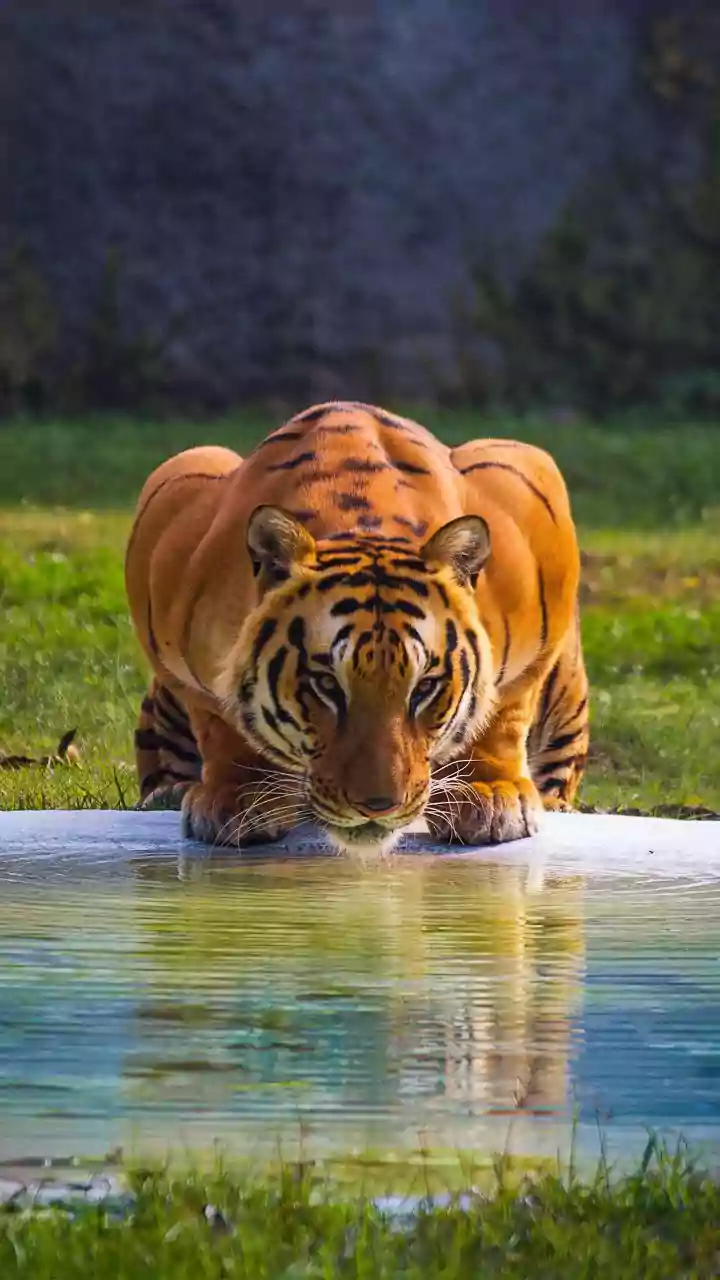
Tiger relocation is a necessary but risky conservation strategy. It's often undertaken when a park's tiger density becomes too high, leading to intense territorial fights, or when a tiger strays into human-dominated areas, creating conflict. However,
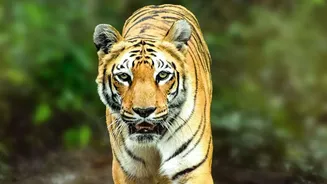
a relocated tiger is disoriented and vulnerable. It arrives in an unfamiliar landscape, often facing hostility from resident tigers defending their own territory. This pressure can force the newcomer to the fringes of the park or beyond, pushing it towards villages in search of space and easy prey like livestock. This journey is fraught with peril, from starvation to conflict with humans, which can end in retaliatory killings.
What is a Buffer Zone?
A tiger reserve is typically divided into two main parts: the core area and the buffer zone. The core is a strictly protected, inviolate habitat with minimal human activity. Surrounding this is the buffer zone, a 'multiple use area' where conservation goals coexist with regulated human activities. This isn't a no-man's-land; it's a zone of transition managed by the forest department in collaboration with local communities. Activities like sustainable agriculture, eco-tourism, and regulated collection of forest produce are often permitted. The key principle, governed by the National Tiger Conservation Authority (NTCA), is to balance human livelihood needs with wildlife conservation, creating a protective layer around the core.
A Safe Space to Adapt
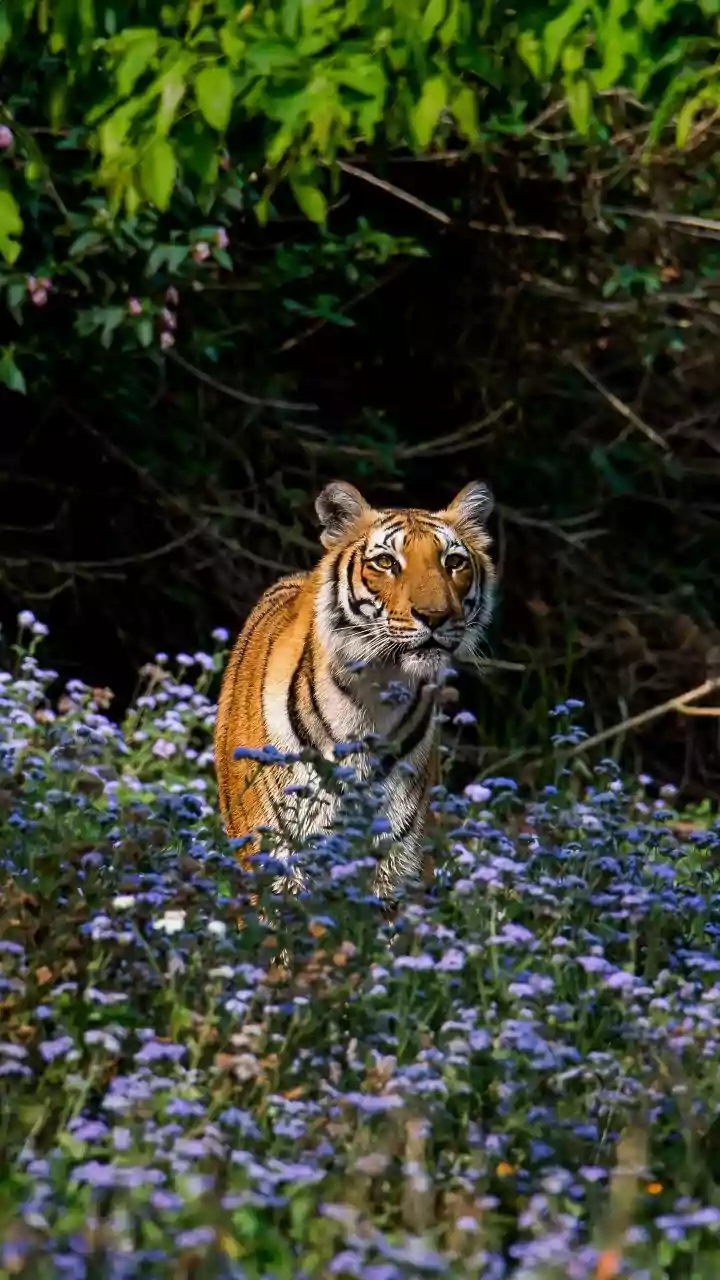
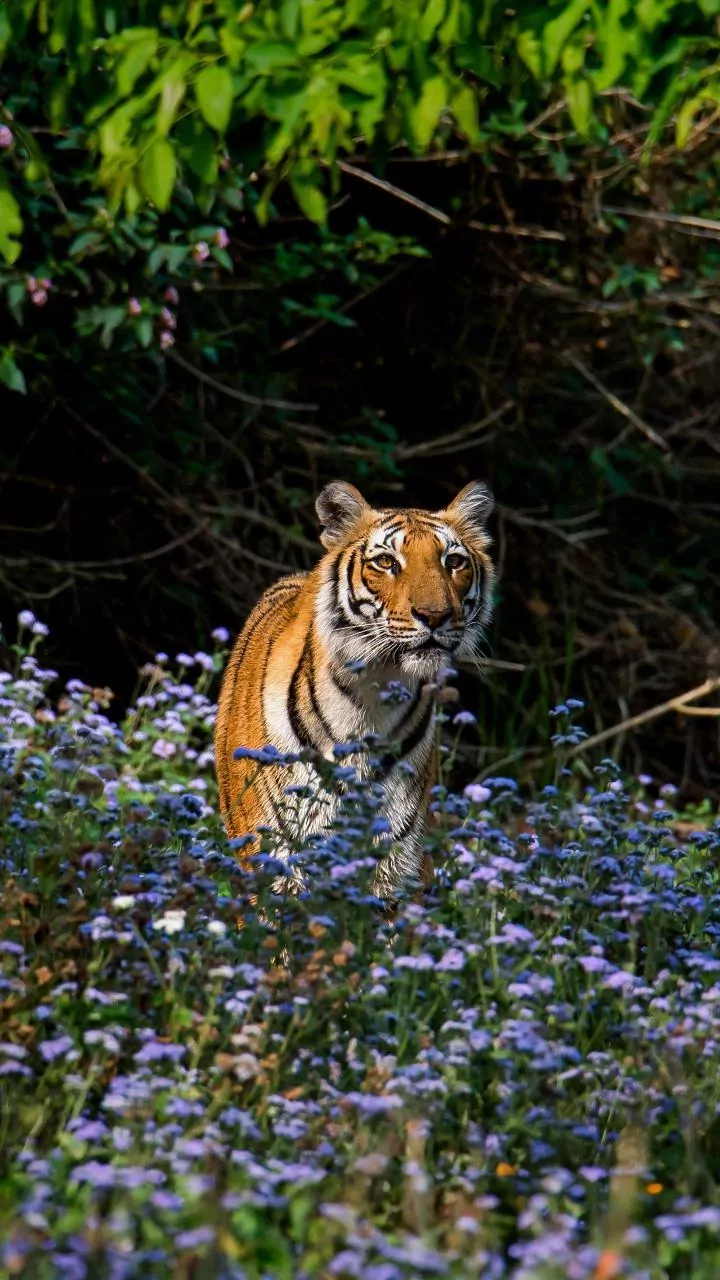
For a relocated tiger, the buffer zone is a vital halfway house. Instead of being forced into direct competition with powerful resident tigers in the core area, the newcomer can find refuge in the relatively less crowded buffer. These areas provide a space for the tiger to acclimatise, establish a new territory, and find natural prey like deer and wild boar that also inhabit the buffer. A tigress with cubs may also use the buffer zone as a secure area to raise her young, away from the threat of dominant males in the core. This transitional space allows the relocated animal to settle without the immediate stress of intense competition, significantly increasing its chances of survival.
Reducing Human-Tiger Conflict
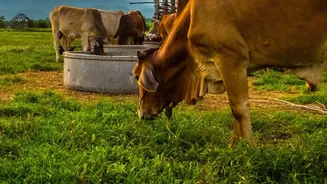
The buffer zone acts as a shock absorber, mitigating clashes between humans and wildlife. When a tiger has sufficient space and prey within the buffer, it is far less likely to venture into nearby villages for an easy meal of cattle. This directly reduces the economic losses for villagers and, crucially, lowers the risk of human fatalities. By providing a viable habitat adjacent to but separate from dense human settlements, buffer zones keep a functional distance between people and predators. This is a cornerstone of managing coexistence, especially as India's successful conservation efforts have led to a growing tiger population, with an estimated 30% living outside of designated core reserves.
A Landscape for the Future
The success of buffer zones is evident in reserves like Kanha, Pench, and Satpura, where well-managed peripheral forests have been critical to supporting tiger populations and facilitating dispersal. These zones are more than just boundaries; they are integral parts of a larger, connected landscape. They function as wildlife corridors, allowing tigers to move between protected areas, which is essential for maintaining genetic diversity and long-term population health. As India's tiger numbers continue to grow, the focus of conservation is shifting from isolated parks to managing entire landscapes. Expanding and strengthening these buffer zones, in partnership with local communities, is no longer just an option—it is fundamental to the future of tiger conservation in India.