




Step 1: Conduct a Pre-Monsoon Vehicle Check
Before the downpours begin in earnest, a thorough vehicle inspection is non-negotiable. Tyres are your first line of defence on slippery roads; ensure they have a tread depth of at least 3mm to prevent aquaplaning. Worn-out wiper blades, often degraded
by summer heat, must be replaced to ensure a clear view. Test every single light on your vehicle—headlights, tail lamps, brake lights, and indicators—as they are crucial for both seeing and being seen in low visibility. Brakes also need to be in top condition, as braking distances increase significantly on wet surfaces. Finally, check your battery for corrosion and ensure it's holding a charge, as increased use of lights and wipers puts extra strain on it.
Step 2: Assemble a Commuter's Emergency Kit
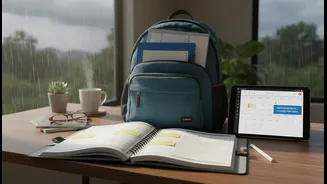
Getting stranded is a real possibility during heavy rains. A well-stocked emergency kit can be a lifesaver. Your kit should include a fully charged power bank for your mobile phone, a small torch, and some non-perishable snacks and drinking water. A basic first-aid kit is also essential. To protect your electronics and important documents, keep them in waterproof bags or zip-lock pouches. It's also wise to have a 'dry kit' with a spare set of clothes, a towel, and dry footwear waiting for you at your workplace.
Step 3: Gear Up with Personal Protection
Your personal attire can make a huge difference in comfort and safety. Opt for waterproof, anti-slip footwear to navigate slippery pavements and avoid fungal infections from wading through dirty water. Quick-drying clothes are preferable to fabrics like denim or cotton that become heavy when wet. Always carry a sturdy umbrella or a lightweight raincoat. For two-wheeler riders, a helmet with a clear, anti-fog visor is critical for visibility. Brightly coloured outerwear will make you more visible to other vehicles in gloomy conditions.
Step 4: Master Safe On-Road Tactics
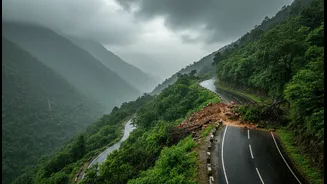
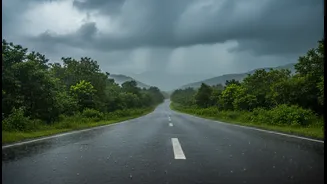
Driving and riding styles must adapt to monsoon conditions. The most important rule is to slow down; reduce your speed by at least a third of what is normal. Double the distance between your vehicle and the one ahead to account for longer braking distances. Avoid sudden acceleration, sharp turns, or hard braking. Always use your low-beam headlights, even during the day, to improve your visibility to others. High beams can reflect off raindrops and worsen visibility for oncoming traffic. Be especially considerate to pedestrians and two-wheeler riders, who are more vulnerable.
Step 5: Navigate Waterlogged Roads with Extreme Caution
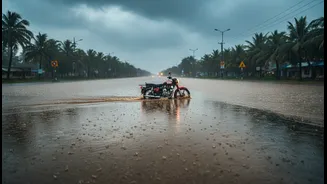
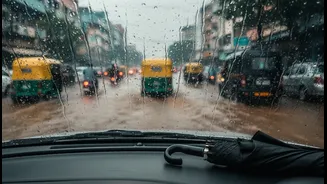
Waterlogged streets are one of the biggest dangers, hiding potholes, open manholes, and other debris. If possible, avoid driving through standing water. If you must, drive slowly and steadily in a low gear to prevent water from entering the exhaust. Never attempt to cross water that is deeper than the bottom of your car's bumper. If your vehicle stalls in water, do not try to restart it. This can lead to severe engine damage known as hydrostatic lock. It is safer to abandon the vehicle if water levels are rising and call for assistance.
Step 6: Prioritise Health and Hygiene
Floodwater is often contaminated with sewage and can cause numerous infections. Avoid walking through it if you can. If your feet get wet, wash them with soap and dry them thoroughly as soon as possible to prevent fungal infections. Always wash your hands with soap or use a sanitiser before eating. It's also best to drink only boiled, filtered, or bottled water and avoid street food, as the risk of waterborne diseases like cholera and typhoid increases during the monsoon.