







Inspect Your Tyres
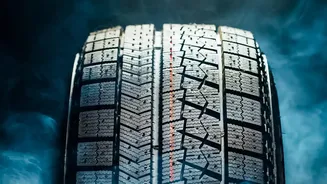
Your tyres are the only part of your car in contact with the road, making them critical for safety on wet surfaces. Before the rains set in, check the tread depth. Worn tyres with shallow treads can't channel water away effectively, leading to a dangerous
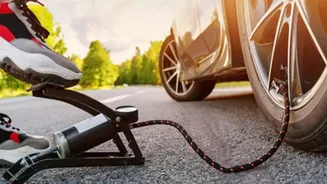
situation called hydroplaning where your car loses traction and skids. The legal minimum tread depth in India is 1.6mm, but for wet roads, at least 3mm is recommended for safer braking. Also, check for correct tyre pressure, including the spare. Under-inflated tyres can increase the risk of skidding. If your tyres are more than five years old, the rubber may have hardened, reducing grip even if the tread looks okay.
Test Your Windscreen Wipers
Visibility is paramount in a downpour. Wiper blades are often neglected during dry seasons, but worn-out ones can be a serious hazard in the rain, smearing water instead of clearing it. If your wipers leave streaks, make squeaking noises, or skip across the glass, it’s time to replace them. This is an inexpensive and quick fix that makes a massive difference. While you're at it, top up your windshield washer fluid. Using a proper washer fluid, rather than just water, helps cut through the oily grime that gets sprayed onto your screen from wet roads.
Check All Lights and Signals
In rain and fog, being seen by other drivers is just as important as your own ability to see. Do a walk-around check of all your car's lights: headlights (low and high beam), tail lights, brake lights, and indicators. Replace any bulbs that are out. If your headlight lenses have turned yellow or cloudy, get them cleaned or restored; this can significantly improve brightness. When driving in fog, use your low beams. High beams can reflect off the water droplets in the fog, creating a glare that actually reduces your visibility. If your car has fog lamps, now is the time to ensure they work.
Examine Your Brakes
Wet roads significantly increase your car's stopping distance. Brakes that feel adequate in dry weather might not perform as well when wet. Listen for any squealing or grinding sounds, which could indicate worn brake pads. It's also wise to have your brake fluid checked. Over time, brake fluid can absorb moisture from the air, which reduces its effectiveness, especially when you need it most. If you drive through a waterlogged area, gently tap your brakes a few times afterward to help dry them and restore their performance.
Assess Your Battery
The high humidity during the monsoon season can be tough on your car's battery. Moisture can accelerate corrosion on the battery terminals, which can hinder its ability to start the car. Check the terminals and clean away any white or greenish residue. Ensure the connections are tight. An ageing battery is more likely to fail in damp conditions, and you don't want to be stranded in a downpour. If your battery is more than three to four years old, it's a good idea to have it tested at a workshop before the season starts.
Ensure Clear Vision Inside
Fog doesn't just happen outside; your windshield can fog up from the inside due to the temperature difference. This is caused by moisture in the cabin. Make sure your car’s defogger and air conditioning system are working correctly. The AC helps to dehumidify the air, clearing the glass much faster. Keep the inside of your windows clean, as dirt can attract condensation. A clean, dry cloth kept handy in the car can also be a quick fix for a misted-up interior.
Prepare a Monsoon Emergency Kit
Even with the best preparation, things can go wrong. Having an emergency kit in your car can be a lifesaver. Your kit should include a powerful flashlight, a first-aid kit, a tyre inflator or puncture repair kit, and jumper cables. It's also wise to have a tow rope, a reflective warning triangle, and a phone charger or power bank. Keeping these items in your boot ensures you’re better prepared to handle an unexpected breakdown, especially when roadside assistance might be delayed due to bad weather.