


The Hidden Danger of Monsoon Rains
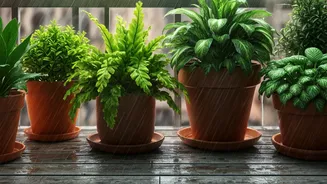
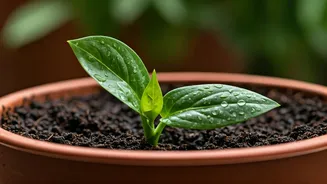
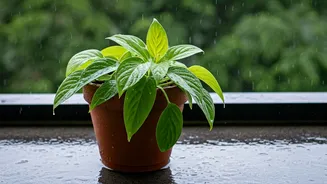
While daily showers feel like a blessing, they can be a curse for container plants. Unlike plants in the ground, potted plants have a limited amount of soil that can quickly become saturated. When water has nowhere to go, it fills the air pockets in the soil that roots
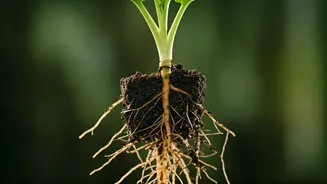
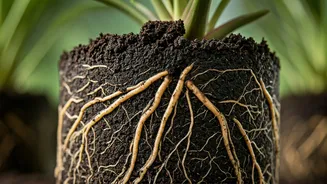
need for oxygen. This condition, known as waterlogging, effectively drowns your plants. The roots, deprived of air, can no longer absorb nutrients and begin to decay, leading to a condition called root rot. Early signs include wilting even when the soil is wet, yellowing leaves, and a sour smell from the pot. Without immediate intervention, even the healthiest plant can succumb.
Conduct a 5-Minute Drainage Audit
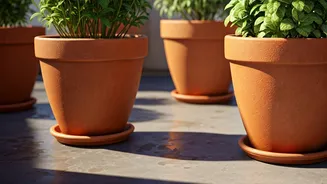
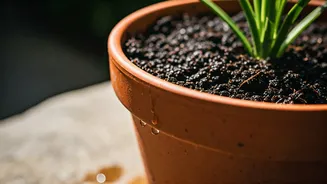
Discipline starts with observation. Take a few minutes after the next heavy rain to inspect your containers. First, check the drainage holes at the bottom of every pot. Are they blocked by compacted soil, roots, or debris? Use a small stick or trowel to gently clear any obstructions. Second, are your pots sitting directly on the floor? Pots pressed against a flat surface can have their drainage holes sealed. This is a common and easily fixed problem. Finally, check any saucers or trays placed under your pots. They are often full of stagnant water, which not only breeds mosquitoes but also keeps the soil perpetually soggy. Make a habit of emptying them immediately after it rains.
Elevate Your Pots for Better Airflow
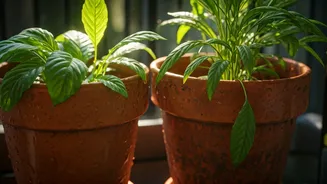
One of the simplest yet most effective actions you can take is to get your pots off the ground. Raising them even by an inch or two creates a crucial gap that allows excess water to escape freely and improves air circulation underneath. You don’t need expensive equipment for this. Simple solutions like bricks, flat tiles, wooden blocks, or dedicated pot feet work perfectly. This small adjustment ensures that drainage holes remain clear and prevents the base of the pot from sitting in a puddle, significantly reducing the risk of waterlogging.
Engineer a Lighter, Well-Draining Soil Mix
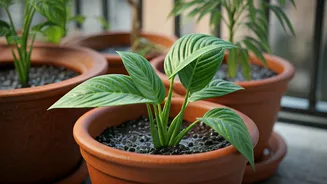
Heavy, dense garden soil is a major culprit in poor drainage, as it compacts easily in pots, especially when wet. A good container mix must be light and porous. If your plants are struggling, it might be time to repot them with a better medium. A reliable, all-purpose potting mix for terrace gardens can be made by combining soil, cocopeat, and compost in equal parts. To further enhance drainage, add an aeration material like perlite, coarse sand, or pumice. This creates a lighter, fluffier structure that holds enough moisture for the roots while allowing excess water to pass through quickly. Avoid using fine sand, which can mix with clay soil and create a concrete-like substance.
Adjust Your Watering Habits
During the monsoon, your watering can should be the last resort, not the first. On days with heavy or consistent rainfall, your plants will likely receive more than enough water naturally. Watering on a fixed schedule during this season is a common mistake that leads to overwatering. Before you even think about watering, physically check the soil. The best method is the finger test: insert your finger about two inches deep into the soil. If it feels moist, do not water. If it feels dry, then you can provide a little water at the base of the plant. This disciplined approach prevents you from accidentally drowning a plant that is already struggling with excess moisture.