






Know Your Tomato: Desi vs. Hybrid
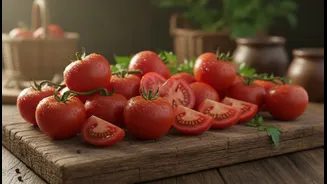
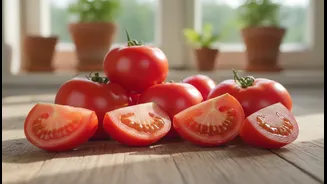
Walk into any market and you’re faced with a choice. On one side, you have the uniformly round, bright red hybrid tomatoes. On the other, the often irregularly shaped, lighter-coloured desi tomatoes. For most Indian cooking, the choice is clear: desi is often better.
Hybrid tomatoes are bred for a longer shelf life and a firmer texture, which makes them great for salads and sandwiches. However, they can be watery and lack the sharp, tangy flavour that defines a good curry. Desi tomatoes have thinner skins, a softer texture that breaks down beautifully in gravies, and a more pronounced sweet-and-sour taste that adds depth to traditional dishes. While they might have more seeds and a shorter shelf life, their superior flavour is a worthy trade-off for any dish where the tomato is a star.
The Art of Selecting the Perfect Tomato
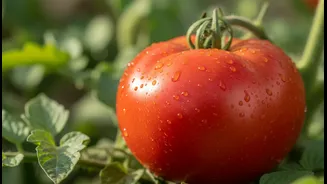
Choosing a good tomato is a sensory experience. Don't just look; use your other senses. A truly flavourful tomato will have a distinct, earthy, and sweet aroma, especially near the stem. Pick it up; it should feel heavy for its size, which indicates it's juicy and dense. Gently press the skin. It should have a slight give but not be mushy. If it’s rock-hard, it was likely picked too early and won’t ripen well. Look for deep, consistent colour, but don’t be fooled by a perfect shape. Some of the most flavourful desi varieties can look a bit lumpy or asymmetrical. These imperfections are often a sign of character and taste. Avoid tomatoes with blemishes, soft spots, or wrinkled skin, as these are signs of decay.
The Countertop vs. The Fridge Debate
Here's a simple rule that will instantly improve your tomatoes: do not refrigerate them unless they are fully ripe and you need to extend their life for a day or two. Cold temperatures are the enemy of tomato flavour. A refrigerator's chill halts the ripening process and breaks down the delicate compounds that create that delicious, complex taste, leaving you with a bland, mealy fruit. The best way to store tomatoes is on your kitchen counter, out of direct sunlight, with the stem-side down to prevent bruising and moisture loss. If you have underripe tomatoes, keeping them in a paper bag can help them ripen more quickly. Only once a tomato is perfectly ripe and you won’t be using it immediately should it see the inside of your fridge. Even then, let it return to room temperature before eating to revive some of its flavour.
Techniques to Unlock Maximum Flavour
Even a great tomato can be made better with the right technique. The process of 'bhunao'—slowly sautéing the tomato base until the oil separates—is essential in Indian cooking for a reason. It caramelises the sugars in the tomato, deepening the flavour and removing any raw taste. Cooking tomatoes down into a thick, jam-like consistency concentrates their essence and provides a rich foundation for spices. Another simple trick is to salt your chopped tomatoes and let them sit for about 15-20 minutes before cooking. This draws out excess water, which you can discard, resulting in a more intense tomato flavour in your final dish. For an even deeper, smokier taste, try roasting your tomatoes in the oven or charring them directly on a flame before pureeing them for a curry or chutney.
Dishes That Let the Tomato Shine
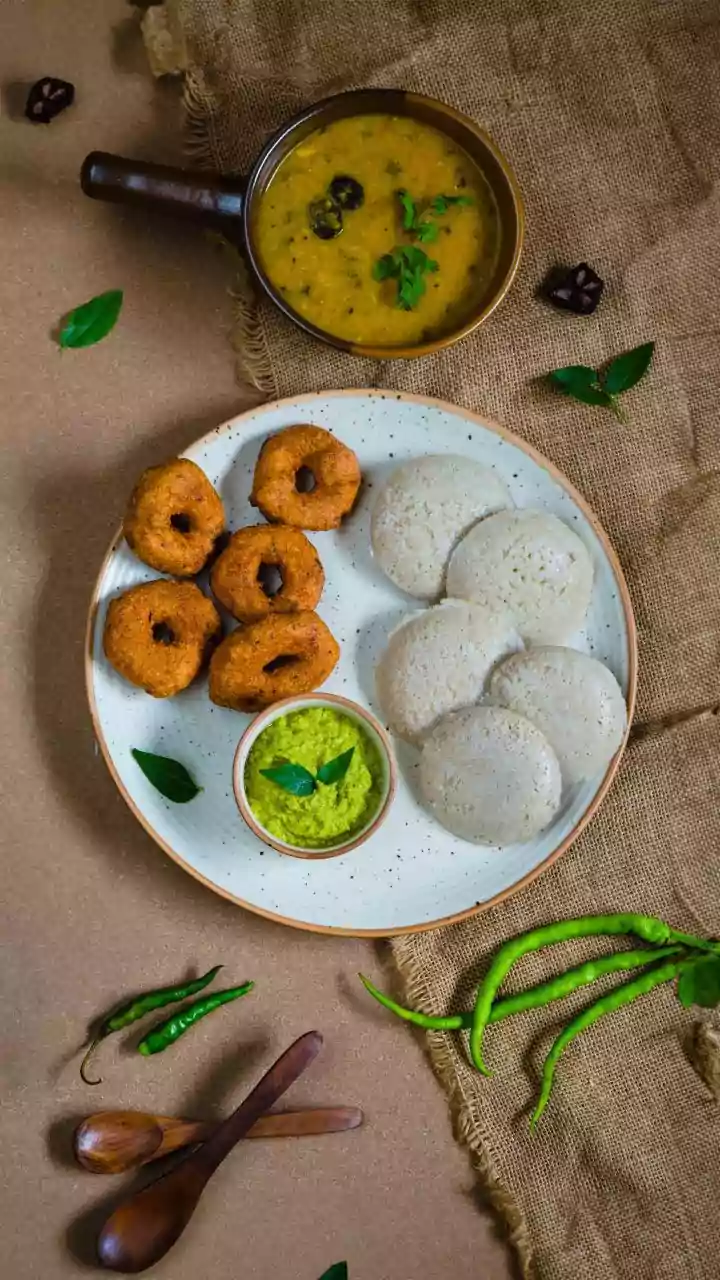
While tomatoes are a base for many dishes, some recipes allow their true flavour to be the hero. A simple Andhra-style tomato curry, or Tomato Kura, uses minimal spices to let the tangy fruit stand out, creating a comforting meal when served with hot rice and ghee. A classic South Indian rasam is another example where the quality of the tomato water defines the entire dish. For something quick, a fresh tomato chutney, simply cooked with tempering spices until jammy, is a perfect accompaniment for dosa, idli, or even just a slice of bread. In these preparations, there are few other ingredients to hide behind, making the choice of a flavourful, seasonal tomato absolutely critical.