



Assemble a Feline 'Go-Bag'
In an emergency, you may need to leave home in a hurry. A pre-packed 'go-bag' ensures your cat's essential needs are met. This kit should contain at least a seven to ten-day supply of their regular food and bottled water. If they eat wet food, opt for
pop-top cans or include a manual can opener. Also pack their bowls, any necessary medications, and a simple pet first-aid kit. For hygiene, include a small, disposable litter tray (an aluminium roasting pan works well), litter, a scoop, and garbage bags for disposal. Having these items in one easily accessible place, like a sturdy backpack or plastic bin, can save precious time and reduce stress during a crisis.
Prioritise Up-to-Date Identification
If you and your cat are separated, proper identification is the surest way to a reunion. At a minimum, your cat should wear a collar with an ID tag that includes your current mobile number. However, collars can break or fall off. For a permanent solution, consider microchipping. This quick procedure, which is widely available at veterinary clinics across India, involves implanting a tiny chip the size of a rice grain under your pet's skin. The chip carries a unique ID number linked to your contact details in a database. The cost in India typically ranges from ₹500 to ₹2,500, a small price for a lifetime of security. Remember to keep your contact information updated with the microchip registry if you move or change phone numbers.
Plan Your Evacuation Route
Never leave your pets behind in an evacuation; if it's not safe for you, it's not safe for them. Since most public emergency shelters do not accept animals, you must plan ahead. Research pet-friendly hotels or motels outside your immediate area and keep a list handy. Talk to friends or relatives in safer locations who might be willing to house you and your cat temporarily. It is also wise to contact your veterinarian or local animal shelters to ask about emergency boarding facilities or foster care arrangements they might have in place during a crisis. India is also beginning to develop dedicated animal evacuation shelters, with the first set to open in Wayanad, Kerala, in 2026, a model that will hopefully expand.
Digitise Documents and Designate a Caregiver
Physical documents can be easily lost or destroyed in a disaster. Keep digital copies of your cat's crucial records in a cloud-based service or on a USB drive stored in your go-bag. This includes vaccination history, microchip details, proof of ownership, and a recent photo of your cat (ideally with you in the picture for identification). It's also vital to designate a trusted temporary caregiver who can access your home. This could be a neighbour or a close friend, especially one who knows your cat. Provide them with a spare key and a detailed care sheet that outlines your cat's feeding schedule, medical needs, and any behavioural quirks.
Familiarise Your Cat with the Routine
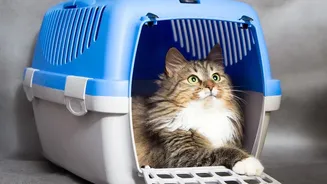
An emergency is not the time to introduce your cat to their carrier for the first time. Many cats associate carriers with stressful vet visits. To create a positive association, leave the carrier out in a common area with the door open. Place treats, familiar toys, or a soft blanket inside to encourage your cat to explore it willingly. Practice short trips in the car to help them get used to the motion and sounds. Taking these steps can make an actual evacuation much calmer for both you and your pet. Also, be aware of your cat's favourite hiding spots, so you can find them quickly if you need to leave in a hurry.