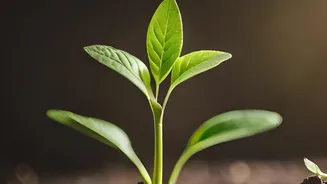




The First Sprout of Life
Let’s start with the magic moment: germination. This is the process where a dormant seed ‘wakes up’ and begins to grow into a seedling. When conditions are right—with enough water, oxygen, and warmth—the seed swells and the tiny plant embryo inside comes
to life. The first thing you will typically see is a small root, called a radicle, pushing through the seed coat and anchoring itself in the soil. Soon after, the first shoot emerges, reaching for the light. This entire process, from a dry seed to a visible sprout, is germination. The ‘germination time’ you see on a seed packet, often listed as a range like ‘7-14 days’, is simply the average time it takes for this first exciting sprout to appear.
The Journey to Your Plate
Now, let’s talk about the long game: the time to harvest. Also known as ‘days to maturity’ (DTM), this is the total estimated time from planting until you can begin picking your first ripe vegetable or fruit. This period includes germination, the seedling growing into a strong young plant, flowering, and finally, fruiting. It's the entire journey from the beginning of its life in your garden to the moment it reaches your kitchen. Confusing the quick thrill of germination with the much longer journey to harvest is one of the most common mistakes a beginner gardener can make. Seeing a sprout in ten days doesn't mean you will be eating tomatoes in two weeks; it means the marathon has just begun.
Patience, Planning, and Payoff
Understanding this distinction is not just academic; it is crucial for practical planning and managing your own expectations. If you think your bhindi (okra) will be ready in two weeks because the seeds sprouted, you might feel disappointed and assume you have done something wrong. Knowing the full timeline helps you plan your entire gardening season. You can decide when to plant certain crops so they mature before the weather gets too hot or too cold. It also allows for 'succession planting'—sowing new seeds every few weeks to ensure a continuous supply of vegetables instead of having everything ripen at once. Patience becomes easier when it is informed. Gardening teaches us that good things take time, and understanding the plant’s lifecycle is the first step.
Reading Your Seed Packet
Your best guide in this journey is the humble seed packet. Almost every packet contains vital information. Look for terms like ‘Days to Germination’ to know when to expect sprouts. Then, find ‘Days to Harvest’ or ‘Days to Maturity’. A critical detail here is how this is measured. For crops that are typically planted directly into the garden, like spinach or beans, the clock for days to maturity starts from when the seed is sown. However, for plants that are often started indoors and later moved outside, like tomatoes and chillies, the ‘days to maturity’ count begins from the day you transplant the seedling into its final garden spot, not from the day you first planted the seed in a small pot.
From Seed to Sabzi: Real-World Timelines
To put this into perspective, let's look at some popular vegetables grown in Indian kitchen gardens: Tomatoes (Tamatar): You might see a sprout in just 5 to 12 days. But from the time you transplant that healthy seedling into your garden, it will still take another 60 to 90 days, or even more, before you can pluck your first juicy tomato. Okra (Bhindi): These seeds typically germinate in 5 to 14 days. From that point, you're looking at about 50 to 65 days of growth before you start harvesting tender pods. Spinach (Palak): As a fast grower, spinach can germinate in 7 to 14 days. For baby leaves, you might be able to harvest in just 30 days. For full-sized bunches, it's closer to 40 or 50 days from sowing. Chillies (Mirchi): Chillies are famously slow to start, sometimes taking 10 to 21 days or more just to germinate. After you transplant the seedling, be prepared to wait another 70 to 100 days before you can pick your first spicy pepper.