





The Urban Jogger’s Dilemma
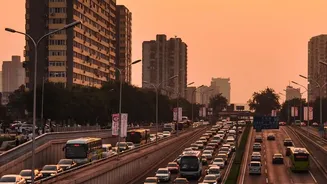
The commitment to a daily run often clashes with the realities of urban life in India. Early mornings before the sun is up and late evenings after work are frequently the only available windows for exercise. However, these hours present significant safety
concerns. Poorly lit streets, unpredictable traffic, and the potential for crime can make running on open roads a risky endeavour. The lack of dedicated, safe pedestrian infrastructure is a well-documented issue across many cities. For many, especially women, the choice is often between risking their safety or skipping their workout altogether, a compromise that no one should have to make. This challenge highlights a growing need for spaces that prioritise pedestrian safety without restricting activity to daylight hours.
A Safer Alternative Emerges
In response to this need, purpose-built public walking and jogging tracks are becoming invaluable assets in cities across the country. Often located within parks or as standalone facilities, these tracks provide a controlled environment designed specifically for pedestrian activity. Unlike a random street, these spaces are thoughtfully planned. Many feature clearly defined, well-maintained paths, often made of mud or synthetic material that is easier on the joints than concrete. They are typically enclosed, separating runners from vehicular traffic and creating a sanctuary away from the hustle and bustle of the city. This enclosed nature is the first line of defence, ensuring a space where the only focus is on fitness and well-being.
What Makes These Tracks Secure?
Several key features transform these tracks from simple paths into secure zones. Proper lighting is one of the most critical elements. Well-lit tracks ensure visibility, allowing runners to see their path clearly and be aware of their surroundings, which is a major deterrent to potential threats. Many such parks and tracks are also monitored by security guards and CCTV cameras, adding a formal layer of oversight. For example, a recent report from a public park in Bengaluru's Jayanagar highlighted that good lighting, the presence of security personnel, and regular police patrols were key to ensuring visitor safety. Furthermore, many of these facilities have specific operating hours, opening as early as 4 or 5 a.m. and staying open until 9 or 9:30 p.m., catering directly to the schedules of early and late exercisers.
Beyond Safety: The Community Effect
The benefits of these tracks extend beyond physical safety. They foster a powerful sense of community and shared purpose. When you run at the same time every day, you begin to see familiar faces. This unspoken camaraderie creates an environment of mutual awareness and informal security. The simple act of seeing dozens of other joggers, walkers, and yoga enthusiasts creates 'safety in numbers', making everyone feel more comfortable. This social aspect can also be a tremendous source of motivation. Seeing others committed to their health journey can provide the encouragement needed to stay consistent, turning a solitary activity into a shared, positive experience. This community atmosphere is a defining characteristic of popular running spots like Lodi Gardens in Delhi or Marine Drive in Mumbai.
Finding Your Local Safe Haven
Finding a dedicated jogging track in your city is becoming easier. Municipal corporation websites are often a good starting point, as they list public parks and their amenities. Local running groups on social media platforms are another excellent resource for discovering safe and popular routes recommended by experienced runners. Parks maintained by city development authorities, such as Delhi's Swarn Jayanti Park or the Anna Nagar Tower Park in Chennai, are often well-equipped with jogging tracks and good lighting. In Mumbai, numerous 'Jogger's Parks' are scattered throughout the city, some managed by housing societies, which offer amenities like security and defined hours for public use. By seeking out these purpose-built spaces, individuals can reclaim their fitness routines, confident that they are in a secure and supportive environment.