






Beyond the Buzzword
The term 'farm-to-table' has been around for years, but its core idea is more relevant than ever. It's about a traceable journey, where every ingredient can be tracked from its origin to your plate. This isn't just about freshness; it’s about transparency
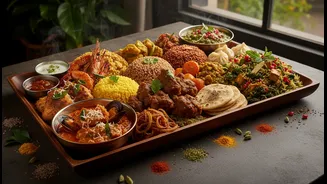
and trust. In a complex food supply chain, traceability ensures you know how your food was produced, whether it's organic, and if it was sourced ethically. When a chef can tell you that the millet in your dosa comes from a specific farmer in Karnataka or that the chillies in your curry were grown in a particular village in the North East, the dish transforms. It’s no longer just food; it’s a narrative of a region's unique climate, soil, and culture—a concept often referred to as 'terroir'.
A Taste of Place
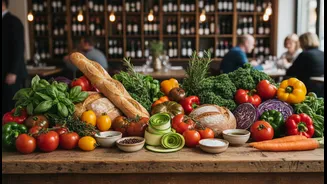
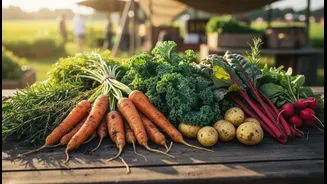
Why does a tomato grown on a local farm taste so much better than one from a supermarket? The answer lies in its journey. Locally sourced produce is picked at its peak ripeness, retaining more nutrients and flavour that are often lost during long-distance transportation and storage. This focus on seasonality and freshness is being championed by a new wave of Indian chefs who are rediscovering and celebrating indigenous ingredients. They are moving beyond generic recipes to highlight hyper-regional produce, from hardy ancient grains to unique local vegetables. This not only results in more delicious and inventive dishes but also helps preserve India’s vast agricultural biodiversity and culinary heritage. A dish made with ingredients from the surrounding land has a character that simply cannot be replicated.
Champions of Local Flavour
Across India, from bustling metros to serene Himalayan towns, restaurants are embracing this philosophy. In Mumbai, pioneers like The Table and Project Hum build their menus around ingredients from their own or partner farms, ensuring freshness and a direct connection to the source. Restaurants such as Masque are pushing boundaries by transforming hyperlocal ingredients like prickly pear and tadgola (ice apple) into modern culinary art. In Bengaluru, Farmlore offers a dining experience on a 37-acre farm, where the 10-course menu is dictated entirely by what is in season. Meanwhile, chefs like Vanika Choudhary of Noon in Mumbai and Prateek Sadhu of Naar in Kasauli are spotlighting produce from regions like Ladakh and Himachal, working directly with farmers and foragers. These efforts do more than just create exciting food; they support local economies and empower farming communities.
Your Plate, Your Impact
This movement isn't confined to fine dining. As a consumer, you have the power to make more conscious choices. Visiting local farmers' markets, subscribing to a community-supported agriculture (CSA) box, or simply asking restaurants about where their ingredients come from are all small steps that make a big difference. When you choose to buy local, you are supporting small-scale farmers and contributing to a more sustainable and equitable food system. You are also voting for a food culture that values flavour, freshness, and authenticity over mass production. Knowing the story behind your food fosters a deeper appreciation for the effort, tradition, and environment that shaped it.