




The Monsoon Is No Longer Off-Season
For decades, the Indian travel industry treated the monsoon (June to September) as the dreaded “off-season.” Tourists were warned away by rain-slicked roads, potential landslides, and the general inconvenience of a downpour. Popular destinations saw a steep
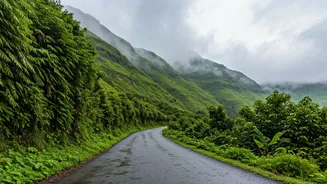
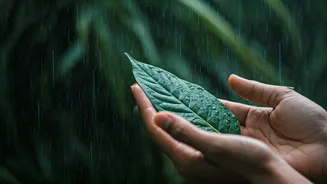
drop in footfall, and many hotels offered heavy discounts to lure the few who dared to venture out. But that perception is officially outdated. The monsoon is being rebranded, not by marketing agencies, but by travellers themselves. It’s now a prime season for a specific kind of getaway, one that leans into the petrichor, the lush greenery, and the dramatic, cloud-heavy skies. Travel portals and hoteliers report a significant surge in monsoon bookings, indicating that for a growing number of Indians, the rains are not an obstacle but the main attraction.
From Sightseeing to 'Sense-Seeing'
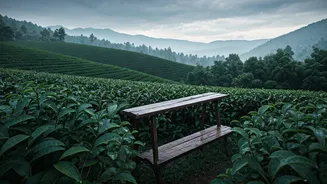
So, what exactly is “experience-first” travel? It’s the evolution from sightseeing to what could be called ‘sense-seeing.’ It’s less about ticking off a list of famous forts and viewpoints and more about engaging all your senses. It means not just looking at a tea plantation in Munnar, but participating in a guided tea-plucking session in the gentle drizzle, learning about the process from a local expert. It’s not just admiring the rain-washed architecture of Udaipur, but taking a pottery class from a local artisan or a culinary workshop focused on seasonal Rajasthani ingredients. This approach prioritises participation over observation. The goal is to return home with a new skill, a deeper understanding of a place’s culture, or a renewed sense of personal well-being, rather than just a camera roll of pretty pictures.
The ‘Why’ Behind the New Mood
This shift isn’t happening in a vacuum. It’s a direct response to our increasingly fast-paced, digitally saturated lives. Post-pandemic, there’s a collective craving for authenticity, slowness, and genuine connection. The monsoon, with its introspective and rejuvenating atmosphere, provides the perfect canvas for this. The sound of rain is naturally meditative, the landscape turns a vibrant, healing green, and the slower pace of life in many destinations allows for a mental reset. Travellers are actively seeking to disconnect from screens and reconnect with nature and themselves. This new ‘mood’ is about choosing travel that nourishes the soul, not just the social media feed. It’s a conscious move away from the pressures of hyper-tourism towards something more personal and meaningful.
Where Experiences Are Blooming
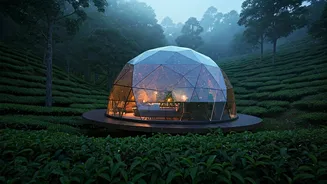
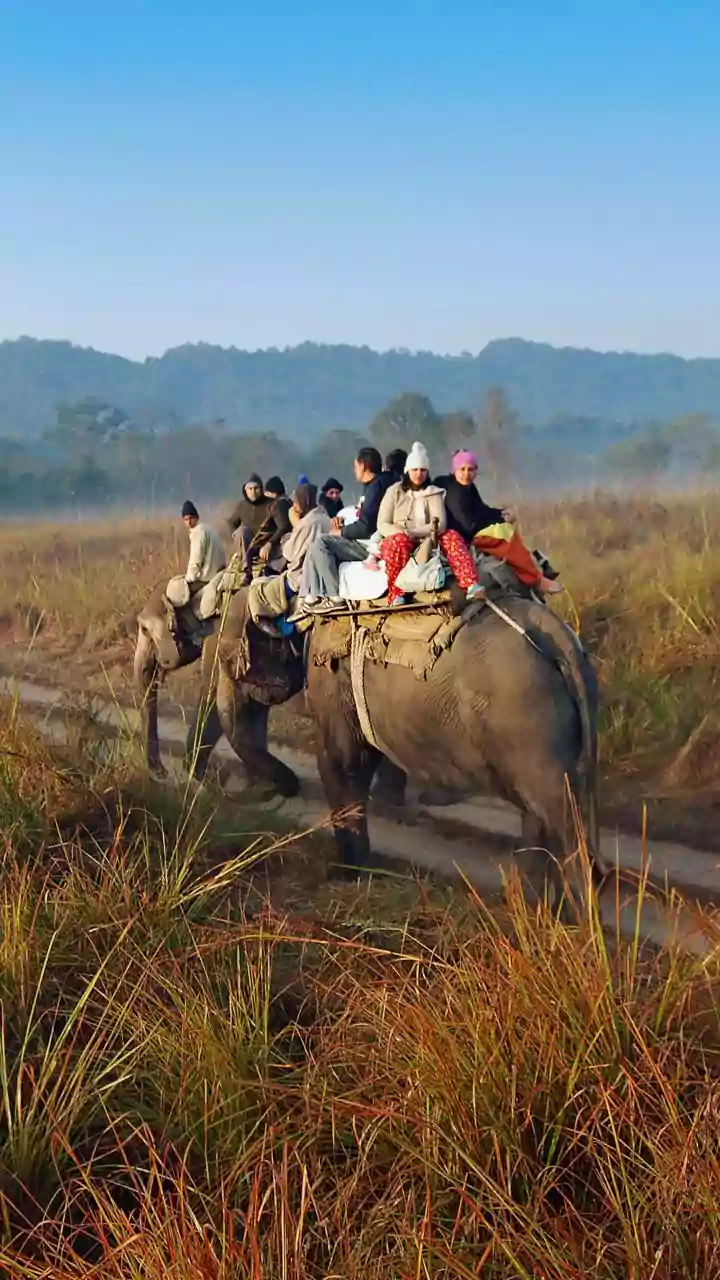
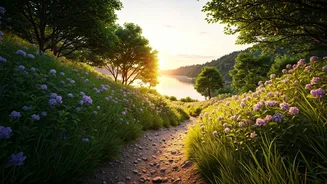
While traditional monsoon favourites like Goa, Kerala, and the Western Ghats remain popular, the *type* of activity is changing. In Goa, travellers are skipping the crowded beaches for serene farm stays in the hinterlands, exploring spice plantations, and discovering hidden waterfalls. In the rain-drenched hills of Coorg or Wayanad, ‘forest bathing’ (Shinrin-yoku) and guided nature walks are becoming major draws. Wellness retreats offering Ayurveda, yoga, and meditation are seeing peak demand during the monsoon, as the cool, moist air is considered ideal for these therapies. Even drier states like Rajasthan are drawing crowds to places like Udaipur and Bundi, where the lakes are full, the palaces are reflected in the shimmering water, and the vibe is romantic and unhurried. The focus is on boutique properties, homestays, and resorts that curate unique local experiences.
The Rise of the Monsoon Workation
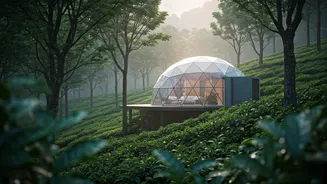
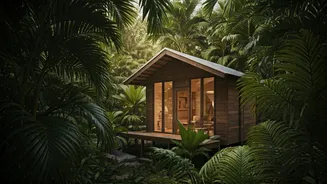
The flexibility of remote work has also been a powerful catalyst for this trend. A monsoon ‘workation’ allows professionals to trade their city apartment for a villa with a view of paddy fields or misty mountains. They can work during the day and spend their evenings and weekends exploring, trekking, or simply relaxing. This extended-stay model makes immersive travel more accessible. Instead of a hurried weekend trip, one can spend weeks soaking in a place’s atmosphere, building a routine that blends productivity with pleasure. This synergy between work and experiential travel is helping to solidify the monsoon’s status as a viable and desirable travel season.