
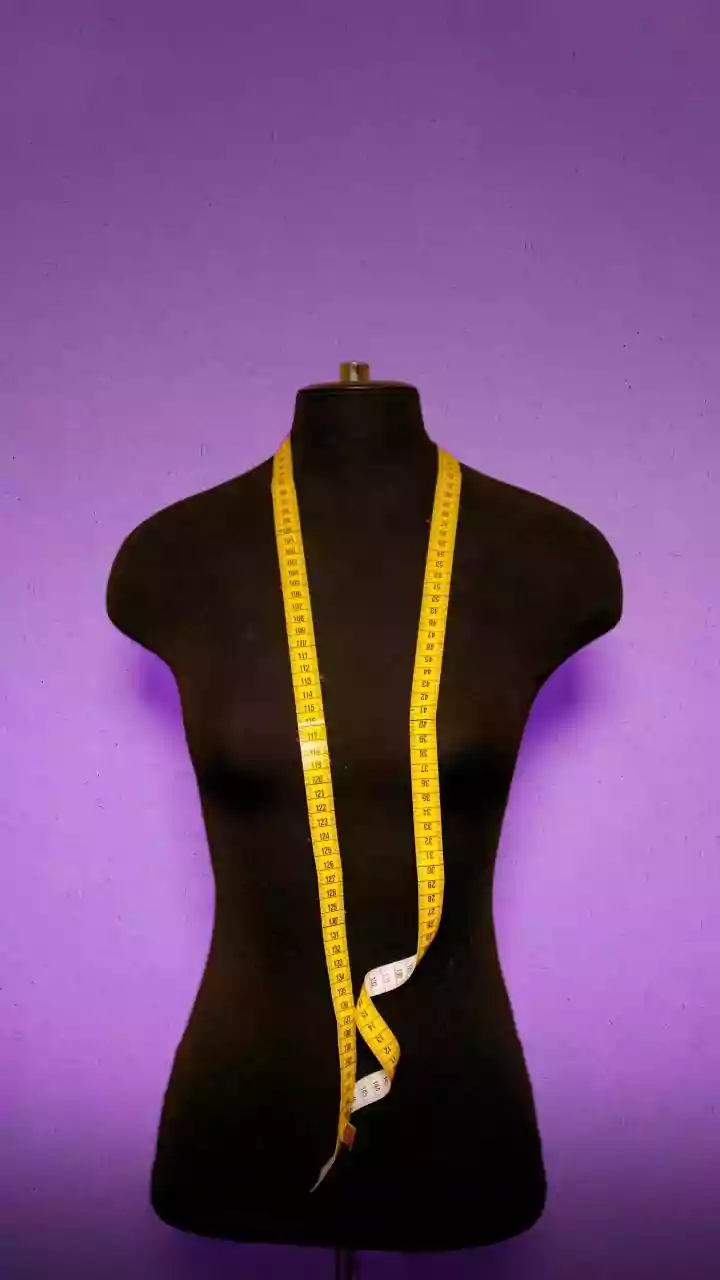





The Myth of the Standard Size
First, let's dispel a common misconception: there is no universal sizing standard in the fashion industry. A size 'M' from one brand can fit drastically differently from another's. This inconsistency is often due to 'vanity sizing', where brands label
clothes with smaller sizes to flatter customers, adding to the confusion. Furthermore, different brands design for different body types and use different fit models. Factors like the country of origin (US, UK, or EU sizing), fabric type, and intended style (e.g., 'oversized' vs. 'slim fit') mean that your usual size is more of a suggestion than a guarantee. Relying on it is the primary reason why so many online purchases end in returns, with fit issues being the leading cause.
Step 1: Create Your Body Blueprint
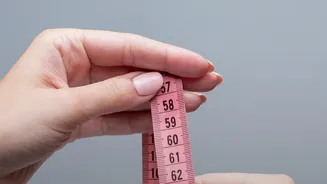
The first step to reclaiming control is to know your own dimensions. Taking accurate body measurements is the foundation for successful online shopping. All you need is a flexible measuring tape. For the most accurate numbers, measure yourself wearing minimal clothing, like underwear or very fitted apparel. Stand in a natural, relaxed posture. The three most crucial measurements for most garments are: Bust (measure around the fullest part of your chest), Waist (measure your natural waistline, usually the narrowest part of your torso), and Hips (measure around the fullest part of your hips). Having these numbers written down and handy will become your personal reference for every purchase.
Step 2: Decode the Garment's Measurements
This is the secret weapon for online shoppers. While body measurements are about you, garment measurements are about the clothes themselves. Reputable online stores provide a 'size chart' on the product page, which often lists the specific dimensions of the item. These are not the body measurements the item is for, but the actual measurements of the finished product. Key garment measurements to look for include 'pit-to-pit' or chest width, waist, and the total length. For trousers, the inseam (the length from the crotch to the hem) is vital. Knowing these details allows you to compare them to a similar item you already own and love the fit of.
Putting It All Together: The Concept of 'Ease'
The difference between your body measurement and the garment's measurement is called 'ease'. This is the extra room built into clothes for comfort, movement, and style. If a shirt's garment measurement for the chest is 42 inches and your body's bust measurement is 38 inches, there is 4 inches of ease. This would likely result in a standard, comfortable fit. If you want a tighter, more fitted look, you would look for a garment with less ease (perhaps 1-2 inches). For a relaxed or oversized style, you'd want more ease (5+ inches). Understanding ease is crucial because a garment that matches your body measurements exactly would be skin-tight and restrictive. By comparing the garment's dimensions to your body's, you are not just checking if it will fit, but how it will fit.
Your Pre-Purchase Checklist
Before you click 'Add to Cart', run through this quick mental checklist to minimise the risk of a bad fit. First, have your body measurements (bust, waist, hips) ready. Second, locate the garment's specific size chart on the product page — ignore the generic 'sizing guide' if possible. Third, compare the garment's flat measurements to your body measurements, keeping the concept of 'ease' in mind to determine the final silhouette. As a bonus tip, read customer reviews, as shoppers often comment on whether an item runs large, small, or true to its stated size. This extra minute of due diligence can be the difference between a wardrobe favourite and another frustrating return.