





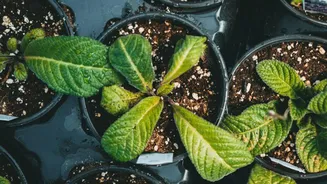
The Challenge of Feeding Kiwifruit
Kiwifruit vines are not shy about their needs. To produce their lush foliage and bountiful, nutrient-packed fruit, they require a significant amount of food, particularly nitrogen and potassium. This high demand often leads home gardeners to believe that
potent, fast-acting chemical fertilizers are the only solution. These products promise quick growth, but they come with a hidden cost to your soil, your plant's long-term health, and the safety of the fruit you intend to eat. Understanding the vine's needs is the first step, but choosing the right way to meet them is what truly defines a successful and safe home orchard.
The Dangers of Harsh Chemical Fertilizers
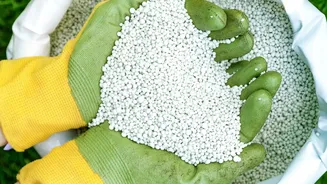
Synthetic fertilizers deliver a concentrated blast of specific nutrients, but this approach can be problematic. The rapid release can lead to 'root burn', damaging the very system the plant uses to absorb food and water. Over time, these chemicals can lead to a buildup of salts in the soil, altering its pH and harming the delicate ecosystem of beneficial microbes that are essential for long-term fertility. These vital microorganisms are responsible for breaking down organic matter and making nutrients naturally available to the plant. When they are destroyed, the soil becomes less fertile and more compacted, creating a cycle of dependency on more and more chemical inputs. Furthermore, excess nutrients can leach from the soil, contaminating local waterways.
Compost: The Superior, Soil-Building Solution
Organic compost is more than just a fertilizer; it's a complete soil conditioner. Made from decomposed organic materials like kitchen scraps and garden waste, it provides a balanced, slow-release source of essential macro and micronutrients. Unlike synthetic options that just feed the plant, compost feeds the soil itself. It introduces and nourishes a diverse community of beneficial microorganisms. These microbes improve soil structure, creating better aeration and drainage. This process helps prevent soil compaction and allows the vine's roots to grow strong and deep. A healthy, living soil is better at retaining moisture, reducing the need for frequent watering and making your vine more resilient during dry spells.
Healthier Soil, Safer Fruit
By fostering a vibrant soil ecosystem, compost builds a foundation for a healthier plant. A well-structured soil rich in organic matter supports a robust root system, which is more efficient at taking up water and nutrients. This leads to stronger, more resilient vines that are better equipped to withstand pests and diseases naturally, reducing the need for chemical interventions. Long-term studies have shown that organic fertilization improves the yield and quality of kiwifruit. Because compost is a natural product, it ensures that the fruit you harvest is free from the potentially harmful chemical residues that can be associated with synthetic fertilizers, giving you peace of mind when sharing your homegrown harvest with family and friends.
A Practical Guide to Using Compost
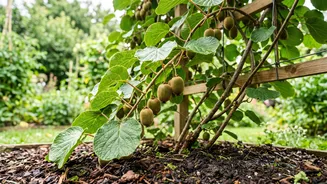
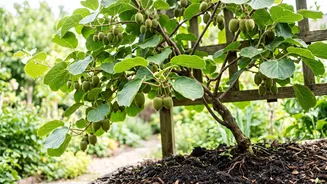
Applying compost to your kiwifruit vine is simple and effective. The best time to apply it is in late winter or early spring, just before the new growth begins. This gives the nutrients time to work their way into the soil. Spread a layer of well-rotted compost, about 1-3 inches deep, around the base of the vine. It's important to keep the compost a few inches away from the main trunk to prevent moisture from being trapped against the bark, which can encourage disease. Extend the compost layer outwards to the 'drip line'—the edge of the vine's canopy. This mulch-like layer will not only feed the plant but also help suppress weeds and conserve soil moisture. A single annual application is often sufficient for plants in the ground, though potted kiwis may benefit from more frequent feeding.