



From Influencer to Digital Storefront
Not long ago, an influencer’s role was to make a brand visible. Today, they are becoming the brand’s most effective sales channel. Creator-led sales, also known as social commerce, represent a major shift where creators don't just advertise products—they
sell them directly to their communities through integrated platform features. [4] This ecosystem includes everything from affiliate links and discount codes to sophisticated live shopping events and curated digital storefronts. [3, 4] Instead of a brand pushing a message, a creator—seen as a relatable and trusted source—pulls their audience towards a purchase. [2] This model moves beyond simple endorsements to a world where a creator’s content feed becomes a highly personalized, interactive boutique. [4]
The Power of a 'Friend's' Recommendation
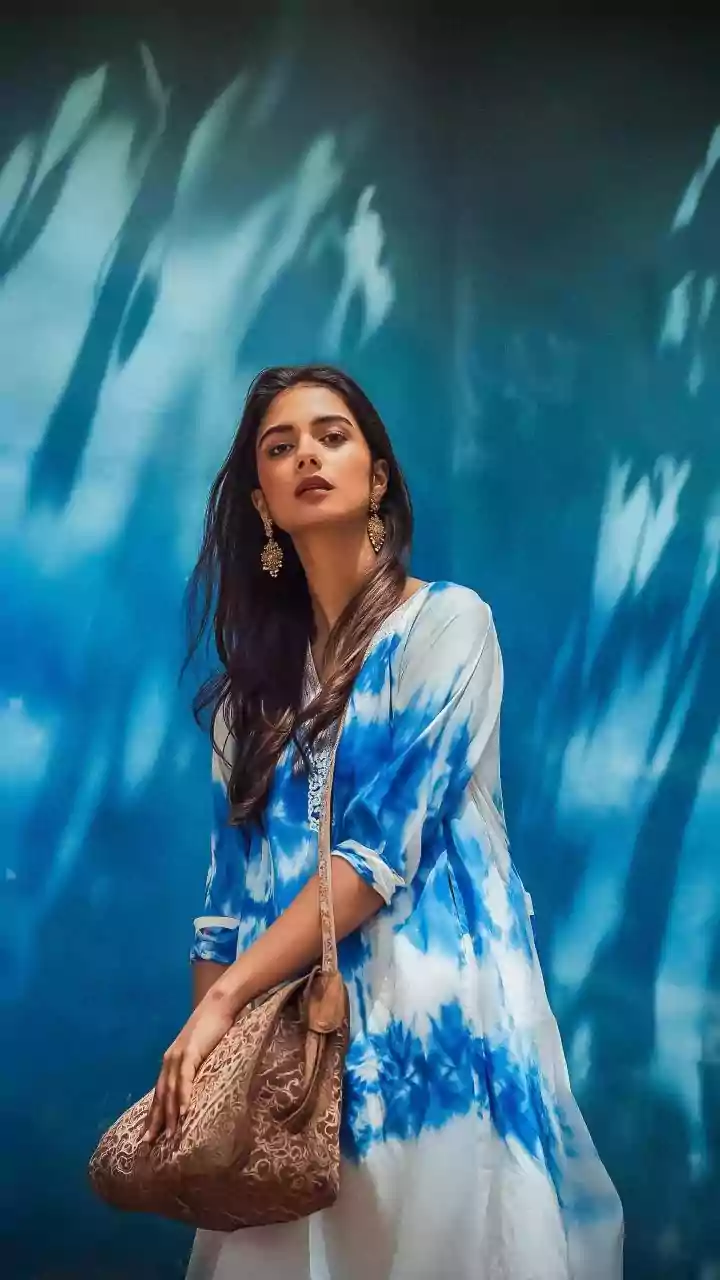
The core of this trend is trust. Consumers, particularly Gen Z, increasingly discover products on social media platforms like TikTok and Instagram. [7] They trust recommendations from their favorite creators as much as they would from a friend. [7, 8] This authenticity is something traditional advertising struggles to replicate. [12] When a creator unboxes a new collection, does a ‘try-on haul’, or styles an outfit, they are not just showing a product; they are demonstrating its real-life application and creating a personal narrative around it. [17] This process turns a passive viewer into an active participant, making them feel like they are part of a community sharing style tips, which in turn makes the fashion itself more 'shareable'. [12]
Making Shopping a Conversation
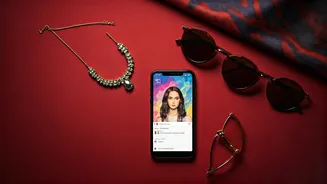
Creator-led commerce transforms shopping from a solitary activity into a communal experience. [11] Live shopping events, particularly popular in the Indian market, allow creators to interact with viewers in real-time, answer questions about fit and fabric, and offer on-the-spot styling advice. [16, 23] This blend of entertainment and retail, dubbed 'shoppertainment', drives high engagement and significantly higher conversion rates than static product pages. [16, 24] Platforms like TikTok and Instagram have become powerful product discovery engines, where algorithms surface creator videos and live streams to users who are likely to be interested. [13] The comment sections and direct messages become hubs for discussion, turning every post into a potential sales floor and a source of valuable consumer feedback for brands. [7]
Accelerating Trends and Broadening Reach
This new model has democratized and accelerated the fashion trend cycle. [15] A specific look or item can go viral in hours, driven by creators and their followers replicating the style. [14] This agility allows brands to tap into emerging trends instantly. Moreover, creators have been instrumental in pushing for greater diversity and inclusivity in fashion. [15, 19] By partnering with creators from different backgrounds, with different body types and styles, brands can reach new audiences and show their products in a more representative and authentic light. [8, 19] This not only builds brand loyalty but also makes fashion feel more accessible and relevant to a wider range of people.
The Future is Curated and Connected
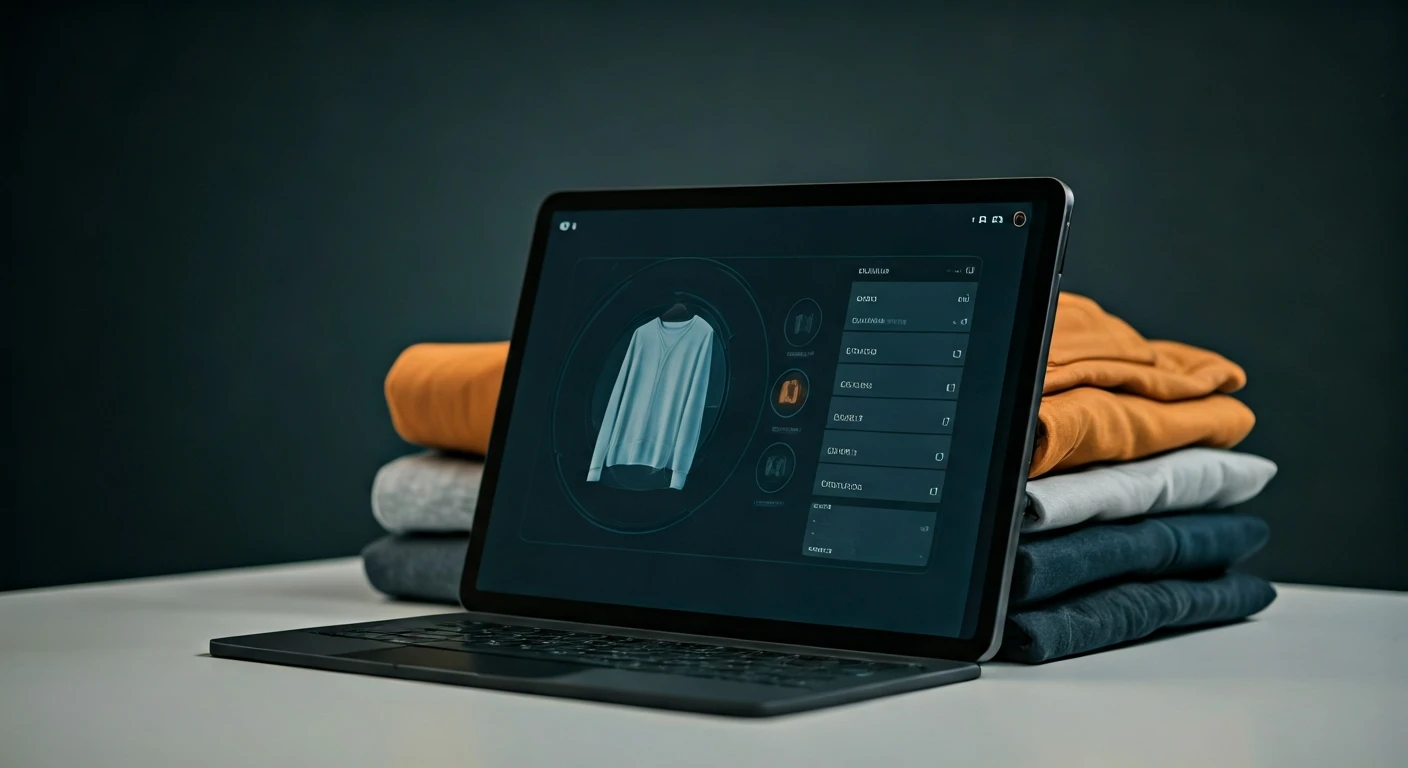
The evolution of creator-led commerce is far from over. Looking ahead, the integration of technology like augmented reality (AR) for virtual try-ons will make the experience even more immersive. [3, 20] As creators continue to build their own brands and product lines, the line between influencer and entrepreneur will blur even further. [4] For brands, the challenge is to move from one-off campaigns to building genuine, long-term partnerships with creators who align with their values. [13] The most successful strategies will be those that empower creators, providing them with the tools to sell authentically while gathering data to create more personalized shopping journeys. [5, 11]