



The Great Fat Misunderstanding
Let's clear up a common myth: fats are not inherently bad for you. In fact, they are an essential macronutrient your body needs to function. Fats provide energy, support cell growth, protect your organs, and are crucial for absorbing certain vitamins
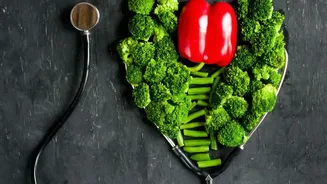
like A, D, E, and K. The problem isn't fat itself, but the type and quantity of fat you consume. The conversation has shifted from a low-fat craze to a smart-fat approach, focusing on choosing fats that nourish the body over those that can cause harm over time. Understanding the difference is the first step towards making heart-healthy choices in your daily diet.
Meet the Fat Family: Saturated vs. Unsaturated
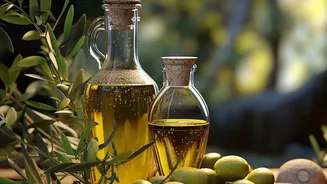
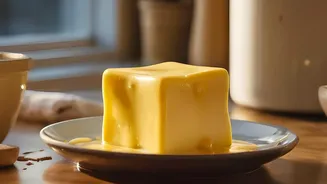
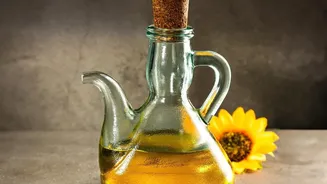
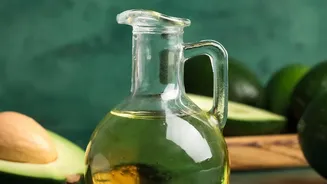
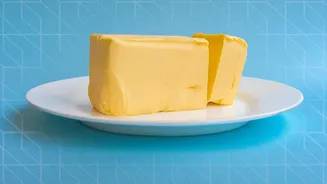
Think of dietary fats as a large family with two main branches: saturated and unsaturated. Saturated fats, which are found in animal products like butter, ghee, red meat, and full-fat dairy, have a chemical structure that makes them solid at room temperature. While not evil in small amounts, diets high in saturated fats are linked to increased levels of LDL (low-density lipoprotein) or “bad” cholesterol, which can raise the risk of heart disease. On the other hand, unsaturated fats are typically liquid at room temperature and come primarily from plant sources like nuts, seeds, and vegetables. These are the fats celebrated for their health benefits. This category is further divided into monounsaturated fats (found in groundnut and olive oil) and polyunsaturated fats (found in sunflower, mustard, and flaxseed oil), which include the famous Omega-3 and Omega-6 fatty acids.
Why 'Cold-Pressed' Makes a Difference
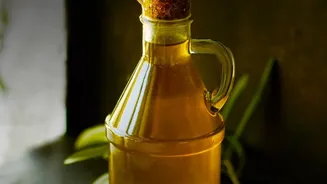
You've likely seen the term "cold-pressed" on oil bottles, but what does it actually mean? It refers to the method of extraction. Cold-pressing involves mechanically crushing seeds or nuts to extract oil without using high heat or chemical solvents. This gentle process, often done using a traditional 'ghani' or a modern screw press at low temperatures, is vital because it preserves the oil's natural nutrients, antioxidants, vitamins, and flavour. Refined oils, in contrast, often use high heat and chemicals to extract the maximum amount of oil, which can strip away many of these beneficial compounds. Choosing a cold-pressed oil means you're getting a purer product that retains more of its natural goodness.
Your Guide to Healthy Indian Oils
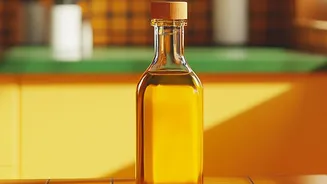
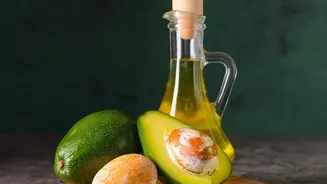
Making a healthy switch is easier when you use oils that complement Indian cooking. Luckily, many traditional Indian oils are excellent choices when cold-pressed. Cold-pressed mustard oil, a staple in North and East India, has a high smoke point and a protective fatty acid profile. Cold-pressed groundnut oil, popular in Western India, is rich in monounsaturated fats and is great for everyday cooking and even frying due to its high smoke point. In the South, cold-pressed coconut oil is a fantastic option, known for its medium-chain triglycerides (MCTs) that can help raise HDL (“good”) cholesterol. Cold-pressed sesame oil (gingelly oil) is perfect for tempering (tadka) and adds a rich, nutty flavour to many dishes.
Making the Smart Swap From Butter
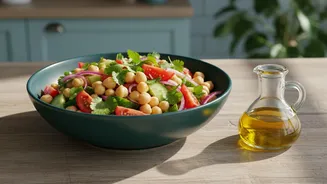
Switching from butter to healthy oils doesn't have to be an all-or-nothing decision. You can start small. Instead of spreading butter on your morning toast, try a drizzle of extra virgin olive oil. When sautéing vegetables, reach for cold-pressed groundnut or mustard oil instead of a dollop of butter. Use cold-pressed sunflower oil, with its neutral taste, for baking cakes and muffins. For dals and curries, starting with a base of cold-pressed groundnut or coconut oil builds a flavourful and healthier foundation. The goal is to shift the balance in your diet, making unsaturated fats from cold-pressed oils your primary choice for daily cooking, while enjoying butter more moderately.