








The Most Dangerous Blooms for Pets
While many flowers are harmless, some common bouquet additions are highly toxic, especially to cats. Lilies, including Easter, stargazer, and tiger lilies, are extremely dangerous for felines. Ingesting even a tiny amount of a petal, leaf, or even the
water from the vase can lead to fatal kidney failure. Other popular but perilous flowers include tulips and daffodils, whose bulbs are particularly toxic and can cause severe gastrointestinal issues, weakness, and even heart problems if ingested by dogs or cats. Oleander, a beautiful flowering shrub sometimes used in arrangements, is toxic to both pets and humans, containing cardiac glycosides that can disrupt heart rhythm and prove fatal. Sago palms, sometimes used as greenery, are another severe threat, with all parts being toxic enough to cause liver failure and death in dogs.
Moderately Toxic Flowers to Handle with Care
Beyond the most lethal varieties, another tier of flowers can cause significant discomfort if ingested. Hydrangeas contain compounds that can result in vomiting, diarrhea, and lethargy in both cats and dogs. Chrysanthemums, a staple in many seasonal arrangements, contain natural insecticides called pyrethrins that can cause drooling, vomiting, and skin irritation. Other flowers like irises, amaryllis, and baby's breath are also considered mildly to moderately toxic, typically causing gastrointestinal upset. While less likely to be fatal, these flowers should be kept well out of reach of pets and small children to avoid a stressful trip to the veterinarian. Always be mindful of mixed bouquets, which may contain these fillers alongside safer blooms.
Recognizing the Signs of Poisoning
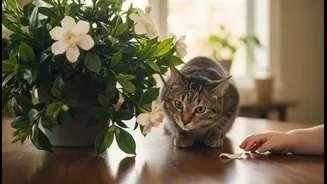
If you suspect a child or pet has ingested a toxic plant, recognizing the symptoms is critical. Common signs of plant poisoning in pets include vomiting, diarrhea, excessive drooling, lethargy, or a lack of appetite. More severe symptoms can include seizures, tremors, difficulty breathing, weakness, or collapse. In humans, symptoms can range from skin irritation and rashes to nausea, vomiting, or a burning sensation in the mouth. Some toxins act immediately, causing irritation within minutes, while others can have a delayed effect, with symptoms of organ damage appearing 24 to 72 hours later. If ingestion is known or suspected, especially with highly toxic plants like lilies for cats, seeking immediate veterinary or medical advice is crucial, even if symptoms haven't appeared yet.
Beyond Ingestion: Allergies and Skin Irritants
Toxicity isn't the only risk. Many flowers can cause allergic reactions or skin irritation. The pollen from flowers like chrysanthemums, daisies, and asters can trigger hay fever symptoms in sensitive individuals. Handling certain plants can also lead to contact dermatitis, a red, itchy rash. The sap from plants like English ivy and daphne can cause skin irritation, while even handling tulip bulbs or daffodils can cause reactions in some people. Florists and gardeners are particularly susceptible due to frequent handling. If you're prone to allergies, it’s wise to be aware of high-pollen flowers. After arranging flowers, always wash your hands thoroughly to remove any potentially irritating sap or pollen.
Enjoying Flowers Safely at Home
The good news is that you don't have to give up flowers. Many beautiful blooms are perfectly safe for homes with pets. Roses, sunflowers, gerbera daisies, snapdragons, and most varieties of orchids are all considered non-toxic and make excellent choices for worry-free arrangements. When you receive a bouquet, identify the flowers in it. If you're unsure, you can use a plant identification app or check against a reliable database. Always place arrangements, especially those with questionable flowers, on high surfaces well out of reach of pets and children. For cat owners, the rule is simple: never bring lilies into your home. By choosing blooms wisely and placing them thoughtfully, you can enjoy the beauty of fresh flowers without the risk.