



The Enduring Charm of Sandesh
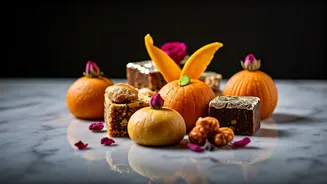
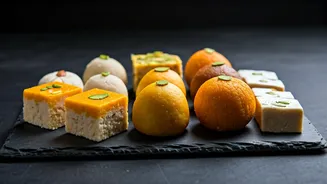
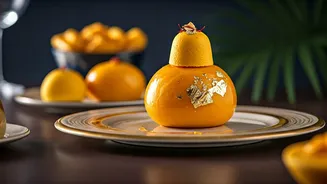
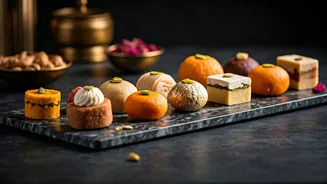
Sandesh, at its heart, is a celebration of simplicity and pure flavour. [2, 3] Originating from Bengal, this iconic sweet is traditionally made from fresh chenna (or paneer), which is milk curdled and separated from the whey. [4, 1] The chenna is carefully
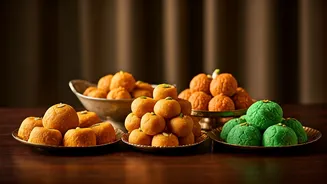
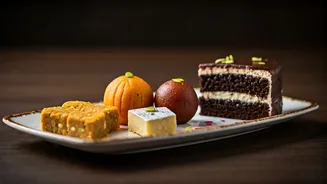
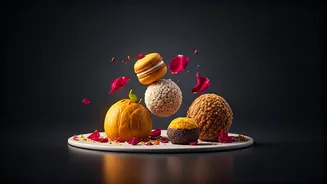
kneaded, often with a bit of sugar, until it's soft and pliable. [5] It is then gently cooked over low heat before being shaped into small, delicate forms, sometimes using intricate moulds. [4, 3] The result is a melt-in-the-mouth sweet with a subtle, milky taste that can be flavoured with cardamom or saffron and garnished with pistachios or almonds. [3] More than just a dessert, Sandesh is woven into the cultural fabric of Bengal, often shared during festivals like Durga Puja to convey affection and good wishes. [2] Its many variations, from the simple makha sandesh (kneaded sandesh) to the steamed bhapa sandesh, showcase its incredible versatility. [1]
A Modern Culinary Makeover
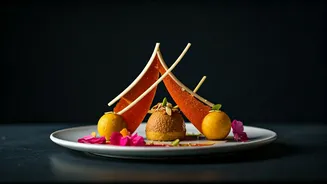
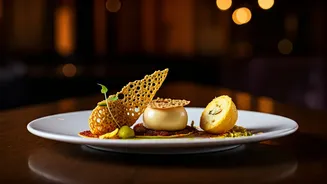
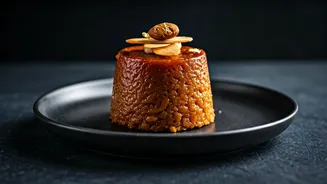
Now, imagine this classic sweet transformed. The modern makeover of Sandesh into a baked pudding is a departure from its traditional no-bake form. Instead of being simply kneaded and shaped, the sweetened chenna mixture is spread into a baking dish and cooked in an oven. [18] This process lends the sweet a completely different character. Baking introduces a gentle caramelisation and a firmer texture, moving it from a classic *mithai* to a comforting, spoonable pudding. The surface often turns a beautiful golden brown, adding a slight crust that gives way to a soft, rich interior. [18] This innovative approach preserves the soul of Sandesh—the fresh chenna base—while introducing a Western technique that creates a new and exciting dessert experience.
The Magic of Jaggery and Almonds
The choice of jaggery (or *gur*) and almonds is central to this modern interpretation. Jaggery, especially the prized date palm jaggery known as *nolen gur* in Bengal, is a traditional sweetener with a deep, smoky, and caramel-like flavour that refined sugar cannot replicate. [6, 9] Historically used in Bengali sweets during the winter months, *nolen gur* gives the Sandesh a beautiful brown hue and an earthy sweetness. [6, 21] Its use connects this modern pudding to another beloved Bengali tradition: the Nolen Gurer Sandesh. [6] Almonds, meanwhile, add a new dimension of texture and richness. They can be ground into the chenna mixture for a nutty flavour throughout or used as a chopped garnish, providing a delightful crunch that contrasts with the pudding's softness. [5, 18] Together, these ingredients create a flavour profile that is both rustic and sophisticated.
The Rise of Fusion Desserts
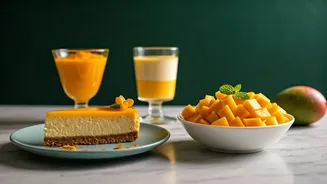
This baked jaggery almond pudding isn't an isolated creation; it's part of a larger, exciting trend in Indian cuisine. [7] Chefs and home cooks across the country are creatively reinventing traditional sweets, blending Indian flavours with global techniques and presentations. [9, 17] We see Gulab Jamun cheesecakes, Rasmalai tres leches cakes, and Gajar Halwa tarts appearing on menus and in modern kitchens. [11, 14, 15] This movement is driven by a desire to make traditional sweets relevant to contemporary palates while honouring their heritage. [10, 17] These fusion desserts prove that tradition doesn't have to be static; it can evolve, adapt, and inspire new creations that appeal to a new generation of food lovers. They offer the comfort of nostalgia with the thrill of something new. [15]