



The New Snack Aisle Takeover
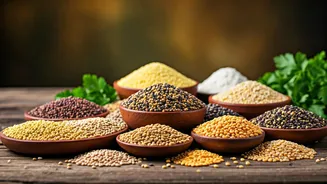
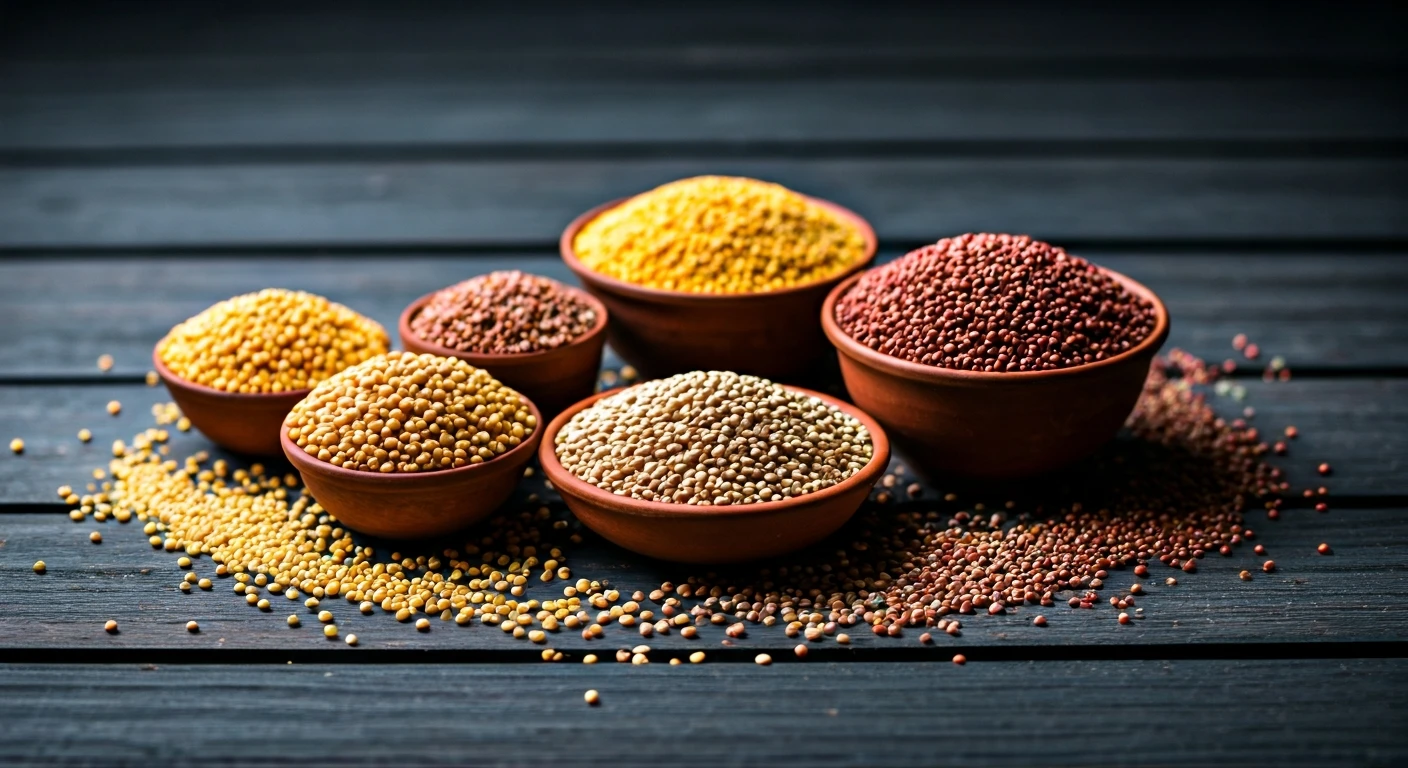
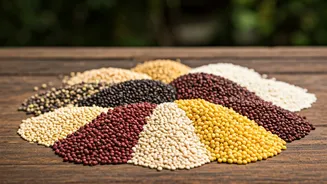
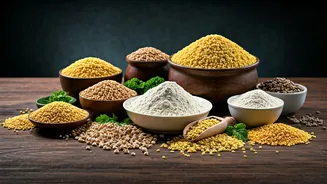
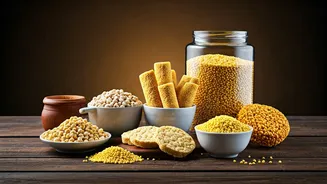
Walk through any supermarket and you'll see the evidence: millet is everywhere. What was once a small section in the health food corner has exploded into a full-blown category. Shelves are now packed with an impressive variety of millet-based snacks,
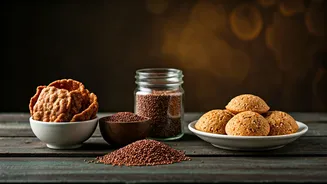
from crispy jowar papdi and baked ragi chaklis to foxtail millet puffs in peri-peri and cheese flavours. This isn't just about one or two products; it’s a complete reinvention. You can find millet cookies, noodles, granola bars, and even ready-to-make dosa and idli mixes. The shift is undeniable—deep-fried, maida-based snacks are making way for lighter, crunchier, and more nutritious alternatives that appeal to modern Indian palates.
From Superfood to Super Snack
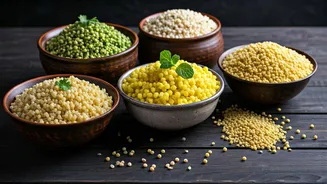
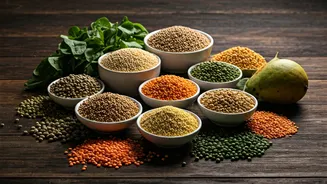
So, what's driving this millet mania? A major factor is a collective shift in health consciousness. Urban consumers, in particular, are actively seeking out snacks that are not just tasty but also nutritious. Millets fit this demand perfectly. They are nutritional powerhouses—naturally gluten-free, high in dietary fibre, protein, and essential minerals like iron and magnesium. This makes them a great option for everything from weight management to better digestion. Unlike snacks made from refined flour that cause quick energy spikes and crashes, millets have a low glycemic index, providing a sustained release of energy that keeps you feeling full and focused for longer.
Not Your Grandmother’s Ragi Ball
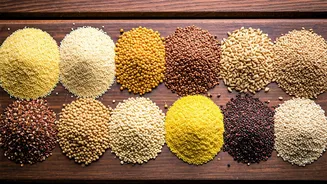
For generations, millets like ragi, jowar, and bajra were staples in Indian homes, especially in rural areas. However, with the Green Revolution in the 1960s, which prioritized wheat and rice production, millets were gradually pushed aside. Over time, their consumption declined significantly, and they became stereotyped as 'poor man's food' or a bland, compulsory item on a dieter's menu. The current trend represents a powerful comeback, reclaiming the narrative. Startups and food brands are not just reviving old recipes; they are completely modernizing them. Think millet empanadas, pizza bases, and even multigrain bhel puri, formats that are familiar and loved but made healthier.
A Push from the Top
This grassroots consumer movement has been amplified by a significant push from the government. India's proposal led the United Nations to declare 2023 as the 'International Year of Millets', creating a global platform to raise awareness about these resilient grains. This initiative spurred a wave of innovation and investment, with the government actively encouraging startups in the millet space. This top-down support helped create an ecosystem where farmers were motivated to cultivate millets and food companies were encouraged to develop new products, leading to a projected steady growth in the millet market. It created a win-win situation: supporting farmer incomes and promoting sustainable agriculture, as millets are hardy crops that require less water and fewer inputs than wheat and rice.
Taste Is the New King
Ultimately, the success of this new wave of millet snacks comes down to one simple fact: they are delicious. Health benefits can only take a product so far; for a snack to become truly popular, it has to satisfy cravings. Today's millet snacks are designed for modern tastes, using innovative flavours and textures. Brands have realised that consumers want the satisfying crunch of a chip and the savoury kick of their favourite masala, but without the guilt. By combining the wholesome goodness of millets with popular flavours and convenient, ready-to-eat formats, companies have cracked the code. They've proven that healthy food doesn't have to be boring, turning a traditional grain into a trendy, must-have item in the modern Indian pantry.