






A Scoop of Controversy
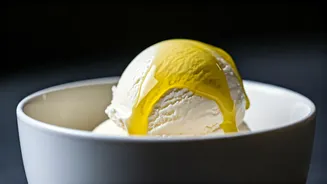
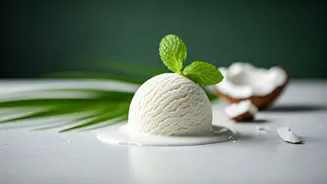
The concept is simple: take a scoop of classic vanilla ice cream, pour over a high-quality extra virgin olive oil, and finish with a pinch of flaky sea salt. The result is a complex blend of sweet, savoury, and peppery notes. This trend, which has roots
in Italy where it is known as 'gelato con olio e sale', gained global traction after being popularised by celebrities and social media influencers. The flavour profile is surprisingly sophisticated; the creamy sweetness of the ice cream is cut by the fruity, sometimes peppery, bitterness of the oil, while the salt crystals provide a subtle crunch and enhance all the flavours. Proponents describe it as an “elite combination,” an addictive and refined treat for those with a developed palate.
The Allure of the Unexpected
For many young Indian foodies, the appeal lies in its novelty and alignment with global culinary trends. In a food landscape increasingly driven by what’s new and 'Instagrammable', olive oil ice cream stands out. It speaks to a generation of diners who are curious, adventurous, and eager to experiment with fusion concepts and unexpected pairings. This trend is part of a broader movement towards more complex, less sugary desserts. Savoury elements in sweets are becoming more common in urban Indian cafes and restaurants, with chefs using ingredients like black pepper, cardamom, and even vegetables to create innovative dishes. The health-conscious angle also plays a part; many see it as a more grown-up dessert, and some point to the heart-healthy fats in olive oil as a small benefit.
A Bridge Too Far for Some
However, not everyone is convinced. For every fan, there's a sceptic who finds the idea of oil on ice cream unappetizing. On social media, the reaction is a mix of intrigue and outright disbelief, with some commenters jokingly referring to it as “oil cream”. The resistance often stems from a strong connection to traditional Indian desserts and flavours. While fusion food is popular, this particular combination can feel foreign and disconnected from the Indian palate, which has its own rich history of frozen desserts like kulfi. For some, it represents a trend that is trying too hard to be different, an unnecessary complication of a simple pleasure. The choice of oil is also critical; a low-quality or overpowering olive oil can ruin the dessert, leading to a bitter or unpleasant experience, which has led some to call the trend a 'scam' if not done right.
From Niche Cafes to Viral Reels
The trend is most visible in metropolitan hubs like Mumbai and Delhi, where a culture of experimental dining thrives. Boutique ice cream parlours and high-end cafes are the primary drivers, adding their own spins like lemon olive oil ice cream to attract curious customers. These establishments often cater to a younger, urban demographic that is highly active on social media platforms like Instagram. The “camera eats first” culture means that visually intriguing dishes like olive oil ice cream are perfectly primed for viral success. As influencers and food bloggers share their tasting experiences, the trend spreads, encouraging more people to try it either at a cafe or by making it at home.