








The Slow Death of 'No Days Off'
The image of the relentless athlete, dripping with sweat after a two-hour gym session, has long dominated our idea of peak fitness. The 'no pain, no gain' philosophy suggested that anything less than total exhaustion was a wasted effort. But a quieter,
smarter revolution is taking place in fitness circles across India and the world. Experts and elite athletes are increasingly championing a new hero: recovery. The endless grind is being replaced by a more holistic approach that recognises rest isn't a sign of weakness; it's a strategic and non-negotiable part of getting stronger, faster, and healthier. Pushing your body to its limit without adequate time to repair leads not to gains, but to burnout, injury, and plateaus. The new school of thought argues that what you do between your workouts is just as important, if not more so, than the workout itself.
The Science of Why Gains Happen During Rest
To understand why recovery is so crucial, you have to understand how muscles grow. When you lift weights or perform intense exercise, you create microscopic tears in your muscle fibres. This is the 'pain' in 'no pain, no gain'. However, the 'gain' doesn't happen in the gym. It happens when you rest. During recovery, your body gets to work repairing these micro-tears, rebuilding the muscle fibres to be stronger and more resilient than before. This process is called muscle protein synthesis. Without sufficient rest, fuel, and sleep, your body never gets the chance to complete this vital repair cycle. Furthermore, intense exercise puts stress on your central nervous system (CNS). Constant training without recovery can lead to CNS fatigue, leaving you feeling sluggish, unmotivated, and weak, even if your muscles feel fine. Recovery allows your nervous system to recharge, ensuring you can show up to your next session with full power and focus.
Your Recovery Toolkit: More Than Just Sleep
When people hear 'recovery,' they often just think of taking a day off. While rest days are essential, a modern recovery strategy is far more comprehensive. Think of it as a toolkit with various instruments to help your body repair and adapt. Sleep is the undisputed king of recovery. Aiming for 7-9 hours of quality sleep per night is the single most effective thing you can do. This is when your body releases growth hormone, which is critical for muscle repair. Nutrition and hydration are next. Consuming adequate protein helps provide the building blocks for muscle repair, while carbohydrates replenish your energy stores. Water is essential for nearly every metabolic function, including flushing out waste products from exercise. Finally, stress management plays a huge role. Chronic stress elevates cortisol, a hormone that can break down muscle tissue and hinder recovery. Practices like meditation or simply taking time for a relaxing hobby can lower cortisol levels and support your fitness goals.
Active vs. Passive Recovery
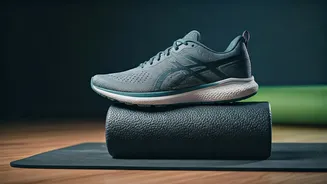
Recovery isn't just about lying on the sofa. It can be broken down into two main categories: passive and active. Passive recovery is what it sounds like—complete rest. This includes sleeping, napping, or engaging in relaxing, low-effort activities. It’s crucial for deep tissue repair and hormonal regulation. Active recovery, on the other hand, involves low-intensity movement to help stimulate blood flow, reduce muscle soreness, and speed up the repair process without adding significant stress to the body. This is where activities like light walking, gentle yoga, foam rolling, dynamic stretching, or a slow cycle ride come in. On your 'rest days,' incorporating some form of active recovery can be more beneficial than doing nothing at all. It keeps your body moving, helps clear out metabolic byproducts like lactic acid, and can leave you feeling refreshed and ready for your next hard workout.
The Ultimate Tool: Listening to Your Body
While fitness trackers and apps can provide useful data on sleep and strain, the most sophisticated recovery tool you have is your own body. Learning to listen to its signals is paramount. Are you feeling unusually sore for days after a workout? Is your motivation to train at an all-time low? Are you having trouble sleeping or feeling irritable? These are all classic signs of under-recovering. Instead of blindly sticking to a rigid workout schedule, learn to be flexible. If your body is screaming for a rest day, take it. If you feel energetic, train hard. This intuitive approach, known as autoregulation, ensures you're training in harmony with your body's capacity, leading to more sustainable and effective long-term progress.