




The Science of Soreness and Inflammation
After a long or intense run, your muscles experience microscopic damage, leading to what is formally known as delayed onset muscle soreness (DOMS). This is a normal part of training, but it comes with inflammation, pain, and reduced muscle function. Many
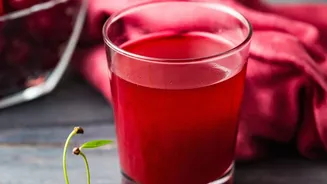
athletes have traditionally reached for non-steroidal anti-inflammatory drugs (NSAIDs) to manage this discomfort, but frequent use carries potential health risks. This has led many to seek out food-based alternatives. Tart cherries, particularly the Montmorency variety, are packed with powerful antioxidant and anti-inflammatory compounds called anthocyanins. These are the natural pigments that give the fruit its deep red colour, and studies suggest they can help combat the exercise-induced inflammation that makes recovery so challenging.
How Tart Cherries Tackle Muscle Pain
The anthocyanins in tart cherries are thought to work by inhibiting certain inflammatory pathways in the body. Research has shown that consuming tart cherry juice can lead to faster recovery of muscle strength and a significant reduction in perceived pain compared to a placebo. One study found that runners who drank tart cherry juice for seven days before a long-distance event reported substantially less post-race pain. The juice appears to minimise the muscle damage and soreness that follows strenuous exercise, allowing athletes to bounce back more quickly for their next training session. Think of it as a natural way to soothe your muscles from the inside out, helping you to recover function and lessen that all-too-familiar stiffness.
The Unexpected Sleep Connection
A tough run can leave you physically exhausted but mentally wired, making quality sleep difficult to achieve. This is where tart cherry juice offers a compelling two-for-one benefit. Tart cherries are one of the few natural food sources of melatonin, the hormone that regulates our sleep-wake cycle. They also contain tryptophan, an amino acid that helps the body produce more melatonin. Studies, though often small, have shown that drinking tart cherry juice can increase melatonin levels in the body, leading to longer sleep duration and better sleep efficiency — meaning more time actually spent asleep. For a runner, this is crucial. Sleep is when the body does its most important repair work, so enhancing its quality can dramatically improve recovery.
How to Incorporate It Into Your Routine
So, how can you make this work for you? The research points to consistent use for the best results. Many studies have used a protocol where athletes drink it for several days leading up to a major event and for a couple of days after. A common recommendation is to have two servings per day. This could be in the form of juice or a concentrate. A typical dose for the concentrate is around 30ml twice daily, often mixed with water. To specifically target sleep, taking one of these servings about an hour before bedtime could be beneficial. It's important to choose 100% tart cherry juice without added sugars to avoid unnecessary calories and potential blood sugar spikes.