






Invest in a Truly Waterproof Bag
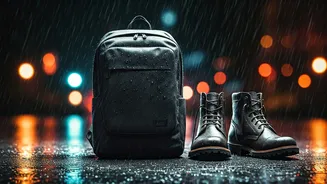
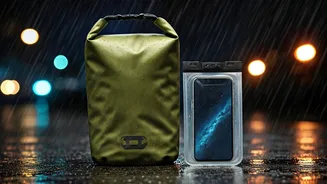
The single most important monsoon investment is a reliable waterproof bag. A standard backpack might resist a light drizzle, but it won't stand up to a sustained Indian downpour, putting your laptop, phone, and other valuables at risk. Look for bags with
genuinely waterproof features. Roll-top closures, like those found on dry bags used for rafting, are excellent at sealing out water. Bags made from materials like nylon or polyester with a TPU (thermoplastic polyurethane) coating offer superior protection. Some backpacks come with a dedicated, seam-sealed rain cover, which is a practical alternative. When buying, check for water-resistant zippers or storm flaps that cover the zipper teeth, as these are common points of failure for water entry. For an extra layer of security, use smaller waterproof pouches or even simple zip-lock bags inside your main bag for your phone, wallet, and chargers.
Protect Your Electronics from Humidity
Water damage isn't just about direct splashes; high humidity is an invisible threat that can slowly corrode the internal components of your gadgets. The best defence is to control the moisture in your home and storage spaces. When you're not using smaller devices like cameras or headphones, store them in airtight containers with a few silica gel packets to absorb excess moisture. You can reuse the small packets that come with new shoes or electronics. Avoid leaving laptops and phones near open windows or on damp surfaces. It's also wise to use a surge protector, as power fluctuations and outages are common during thunderstorms. Unplugging devices during a lightning storm is the safest course of action to prevent damage from power surges.
Navigate Your Commute with a Smart Strategy
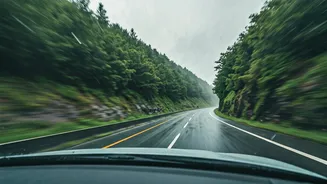
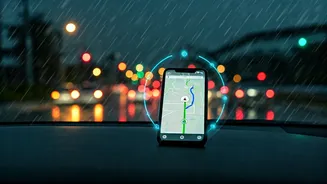
The phrase "smart routes" is key to a stress-free monsoon commute. Waterlogged streets and traffic jams can turn a short journey into a long ordeal. Before you leave, use mapping apps that provide real-time traffic data to check for congestion and road closures. The Indian government's 'FloodWatch' app can also provide real-time flood forecasts and advisories for various locations. If you're driving, a pre-monsoon check-up is essential. Ensure your tyres have adequate tread, your brakes are in top condition, and your wipers are working effectively. Drive slower than usual, as braking distances are significantly longer on wet roads, and keep your headlights on a low beam for better visibility, even during the day. If possible, avoid driving through large puddles, as you can't be sure of their depth or what hidden hazards like open manholes they might conceal.
Dress for Success (Against the Rain)
Your monsoon wardrobe should prioritise function over high fashion. Opt for fabrics that dry quickly, like polyester or nylon blends, and avoid heavy materials like denim that take a long time to dry and can feel uncomfortable when damp. Darker colours are a practical choice as they are better at hiding mud splashes and water stains. Footwear is particularly important. Leather shoes and sandals can be ruined by water and often become slippery. Instead, choose rubber boots, floaters, or other waterproof footwear with good grip to navigate slick pavements safely. A sturdy, wind-proof umbrella is a must-have, as is a lightweight raincoat you can easily pack in your bag for unexpected showers. Keeping a spare, dry pair of socks at your workplace can make a huge difference in your comfort for the rest of the day.
Prioritise Vehicle Maintenance and Safety
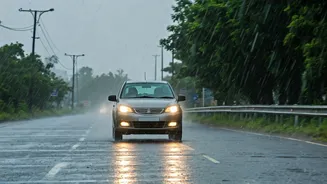
Whether you commute by car or a two-wheeler, your vehicle needs special attention during the monsoon. For cars, aside from tyres and brakes, check that all lights are working and the defogger is functional to prevent the windscreen from fogging up. For two-wheelers, regularly lubricate moving parts like the chain to prevent rust and corrosion. Always check your tyre pressure. Keeping a safe distance from the vehicle in front of you is even more critical in the rain. Be especially considerate of pedestrians and cyclists, who are more vulnerable and harder to see in downpours. Finally, it's wise to keep an emergency kit in your car, including a first-aid kit, a flashlight, and some snacks and water, in case you get stuck in a long traffic jam or breakdown.