

Why Choose Millet?
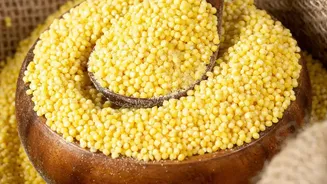
Before we start cooking, let's talk about the star ingredient. Millets are ancient grains that are making a huge comeback in Indian kitchens, and for good reason. Compared to white rice, millets offer a superior nutritional profile. They are packed with
more fibre, protein, and essential minerals like iron and magnesium. This high fibre content aids digestion and keeps you feeling full for longer, making it a great choice for weight management. Additionally, millets have a lower glycaemic index, which means they cause a slower rise in blood sugar levels, making them an excellent option for those managing diabetes or simply seeking a more balanced diet.
Gathering Your Ingredients
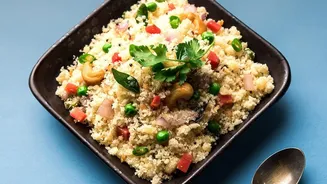
This recipe is all about flexibility, but here are the core components you’ll need for a flavourful base. For two to three servings, you will require: 1 cup of any millet (Foxtail, Kodo, or Little Millet work well), 2 cups of water, 1 tablespoon of ghee or oil, 1 teaspoon of cumin seeds, 1 bay leaf, 2-3 cloves, and a 1-inch cinnamon stick. You'll also need 1 medium onion (sliced), 1 teaspoon of ginger-garlic paste, and salt to taste. For the vegetables, you can use about 1.5 to 2 cups of a chopped mix. Carrots, beans, and peas are classic choices.
Your Step-by-Step Cooking Guide
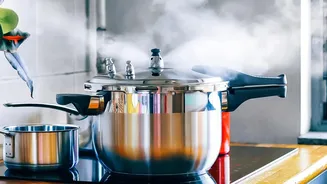
First, prepare your millet. Rinse one cup of millet thoroughly under running water several times. Soaking it for at least 15-30 minutes helps ensure the grains cook up fluffy and separate. When you're ready to cook, heat ghee or oil in a pressure cooker over medium heat. Add the cumin seeds, bay leaf, cloves, and cinnamon stick, allowing them to splutter for a few seconds to release their aroma. Next, add the sliced onions and sauté until they turn soft and translucent. Stir in the ginger-garlic paste and cook for another minute until the raw smell disappears. Now, it's time for the vegetables. Add your chopped carrots, beans, or any other hardy vegetables and sauté for a few minutes. Drain the soaked millet completely and add it to the cooker. Stir gently for a minute. Pour in two cups of water, add salt, and mix everything well. Secure the lid and pressure cook for about two whistles on a medium flame. Let the pressure release naturally before opening the cooker.
Perfect Add-Ins: Paneer, Peas, and More
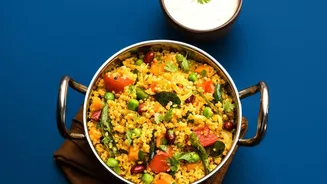
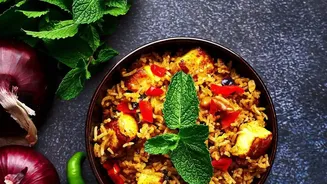
Customising your pulao is the best part. If you're using paneer, cut about 100-150 grams into cubes. For the best texture, lightly pan-fry the paneer cubes in a little ghee until they are golden brown on all sides and set them aside. You can add the fried paneer into the pulao after the pressure has been released, just before fluffing the grains. This keeps the paneer soft without it breaking apart during pressure cooking. For green peas, especially if you are using frozen ones, you can add them along with the other vegetables before pressure cooking. For other seasonal vegetables like cauliflower or capsicum, you can add them with the carrots and beans. Tender greens like chopped mint or coriander leaves should be stirred in at the very end for maximum freshness and flavour.
Pro Tips for a Flawless Pulao
To guarantee a perfectly fluffy millet pulao every time, a few small details matter. The millet-to-water ratio is key; a 1:2 ratio (one cup of millet to two cups of water) is generally the standard for a fluffy texture. Too much water can result in a mushy pulao. After the pressure cooker has been opened, let the pulao rest for about 5-10 minutes. This allows the grains to firm up. Then, use a fork to gently fluff the grains apart. Using a spoon can mash the cooked millet. For an extra layer of flavour, you can toss the drained millet in the ghee for a minute before adding the water. Finally, a squeeze of fresh lime juice and a garnish of fresh coriander leaves just before serving can elevate the entire dish.