






Your Body’s Built-In Brakes
Deep within your nervous system lies the vagus nerve, the longest of the cranial nerves, which wanders from the brain down to the abdomen, connecting to the heart, lungs, and digestive tract. It’s the main component of the parasympathetic nervous system,
often called the “rest-and-digest” system. Think of it as your body's natural braking mechanism, designed to counteract the “fight-or-flight” response that fuels anxiety. When the vagus nerve is stimulated, it slows your heart rate, promotes calm, and tells your body it's safe. A healthy, responsive vagus nerve—what experts call good “vagal tone”—is associated with better emotional regulation and resilience to stress.
The Mammalian Diving Reflex
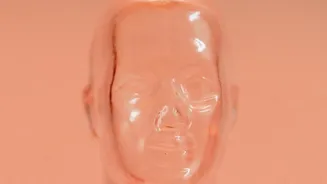
So, how does cold water fit in? It triggers a powerful, primitive response called the mammalian diving reflex. This reflex exists in all mammals, from dolphins to humans, and is designed to optimize survival when submerged in cold water. When cold water makes contact with your face—specifically the area around the eyes, cheeks, and forehead—it activates the trigeminal nerve. This nerve sends an urgent signal to your brain, which in turn activates the vagus nerve. The result is an immediate physiological shift: your heart rate slows down (a response known as bradycardia), and blood flow is redirected from your limbs to your core, preserving oxygen for your vital organs like the brain and heart. This process effectively presses a reset button on your body's stress response.
A Step-by-Step Guide to Calm
Harnessing this reflex during a moment of high anxiety or a panic attack is surprisingly straightforward. You don't need a full ice bath; a simple bowl of water is enough. First, fill a large bowl with cold water, ideally below 15°C (60°F). You can add ice to make it colder. Find a comfortable position to lean over the bowl. Take a deep breath and hold it. Then, submerge your face in the water, ensuring your forehead, eyes, and cheeks are covered. Hold for 15 to 30 seconds. You don't need to hold your breath for a long time to trigger the effect. When you come up, breathe slowly and steadily. This simple act can rapidly decrease your heart rate and interrupt the physical symptoms of panic. If you don't have a bowl, splashing cold water on your face or pressing a cold pack against your cheeks and forehead can also provide a similar, albeit less intense, effect.
Putting It in Perspective
While facial immersion is a powerful technique for managing acute moments of distress, it is not a cure for chronic anxiety. Think of it as an emergency brake, not a replacement for regular maintenance. It’s a tool to de-escalate panic in the moment, allowing you to regain enough composure to use other coping skills, like deep breathing or mindfulness exercises. Repeatedly using this technique may help build your overall resilience to stress over time. However, it's crucial to approach this practice safely. Individuals with certain pre-existing health conditions, particularly heart issues like arrhythmias or low blood pressure, should consult a healthcare professional before trying any form of cold therapy. The initial shock of the cold can be intense and is not suitable for everyone.