



If your skin suddenly feels tight, dry, and lacklustre the moment the temperature drops, you’re not imagining it. That trusty lightweight moisturiser that served you all summer may now be falling short, leaving your skin vulnerable and thirsty.
Winter's Two-Front Attack on Your Skin
Winter
weather wages a quiet war on your skin from two directions. First, the cold outdoor air holds significantly less moisture than warm summer air. This low humidity creates a moisture imbalance, and the air essentially starts pulling hydration directly from your skin's surface. This process is known as transepidermal water loss (TEWL), and it accelerates dramatically in cold, dry conditions. Second, you retreat indoors to the dry warmth of central heating. This heated air is often even less humid than the air outside, further stripping your skin of moisture and putting its protective barrier under constant strain. This barrier, called the stratum corneum, is a wall of skin cells (bricks) and lipids (mortar) designed to keep water in and irritants out. In winter, this wall becomes compromised, leading to that all-too-familiar tightness, flaking, and sensitivity.
Why Your Summer Gel Moisturiser Can't Keep Up
Gel moisturisers are popular for a reason, especially in warmer, humid climates. They are typically water-based, lightweight, and absorb quickly without a greasy feel. Their primary function is hydration, which they deliver using humectants like hyaluronic acid and glycerin. Humectants act like magnets, attracting water to the skin. During humid months, they pull abundant moisture from the air, keeping your skin plump and hydrated. However, in the dry air of winter, this mechanism can backfire. If there is not enough humidity in the environment, humectants can start to pull moisture from the deeper layers of your own skin, potentially making it even drier if that moisture is not locked in. Because gels contain few, if any, oils or occlusive ingredients, they offer little protection against moisture evaporation, meaning any hydration they provide can quickly escape into the dry air.
The Protective Power of a Thick Cream
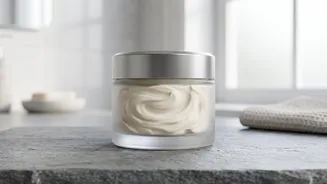
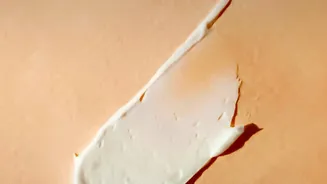
This is where a richer, thicker cream becomes your skin’s best ally. Unlike gels, creams are emulsions of both water and oil. They are formulated not just to hydrate but to nourish and protect. A well-formulated cream provides a complete solution by combining three types of ingredients: humectants, emollients, and occlusives. Humectants (like glycerin and hyaluronic acid) attract water, emollients (like shea butter and squalane) fill in the gaps between skin cells to soften and smooth the surface, and occlusives (like petrolatum, silicones, or beeswax) form a protective physical barrier on the skin. This barrier is the crucial element that most gels lack. It seals in the hydration provided by the humectants and prevents the moisture already in your skin from evaporating, effectively shielding it from the harsh winter environment.
Key Ingredients for Your Winter Skin Armour
When shopping for a winter cream, look for products that go beyond basic hydration and focus on barrier repair and protection. Ceramides are a standout ingredient; these lipids are naturally part of your skin’s 'mortar' and help fortify its barrier and retain moisture. Shea butter is another excellent choice, acting as both an emollient to soften skin and an occlusive to lock in moisture and protect it from windburn. Glycerin is a powerful humectant that helps balance the skin's pH levels and reduce flakiness. Other beneficial ingredients include squalane, which helps lubricate and protect skin cells, and dimethicone, a silicone that forms a breathable yet effective barrier against water loss.
Making the Switch Without Disruption
Transitioning to a heavier cream doesn't have to mean clogged pores, even for those with oily or combination skin. In winter, all skin types lose moisture and can benefit from enhanced protection. A good strategy is to introduce a richer cream into your nighttime routine first, allowing your skin to benefit from the intensive repair while you sleep. When applying, it's best to pat the cream onto slightly damp skin, for example, after cleansing or applying a hydrating serum. This helps to lock in that extra layer of water for maximum benefit. As always when trying a new product, it's wise to patchtest first to ensure it suits your skin. Listen to what your skin is telling you; if it feels tight, uncomfortable, or looks dull, it's asking for a more supportive and protective moisturiser.