







Two remarkable natural wonders in the Andaman Islands and a rich archaeological landscape in Chhattisgarh have moved a step closer to global recognition, earning a place on UNESCO's coveted Tentative List for World Heritage Sites.
What Being on the Tentative List Means
Think of the UNESCO World
Heritage journey as a marathon, not a sprint. Getting on the Tentative List is the crucial first step. This list is an inventory of sites a country considers to have 'outstanding universal value' and intends to nominate for full World Heritage status in the coming years. Inclusion is a prerequisite; no site can be nominated unless it has been on this preparatory list for at least a year. It signals a nation's commitment to preserving these treasures and begins the long, detailed process of preparing an official nomination file for international evaluation.
Andaman's Geological Marvels
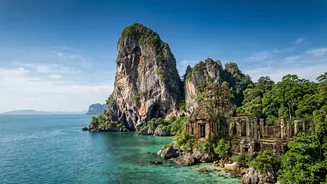
The Andaman and Nicobar Islands have put forward two exceptional natural sites. The first is the 'Karst-mud-volcano Complex of Baratang'. This area is a unique geological spectacle, featuring limestone caves formed by the slow dissolution of rock by rainwater and seismically triggered mud volcanoes, known locally as 'jalki'. The second site is the 'Andaman Subduction Volcanoes', which includes Barren Island—India’s only active volcano—and Narcondam Island. These islands are scientifically significant as they provide a living laboratory for understanding volcanic processes and the evolution of isolated ecosystems, with Narcondam being an important habitat for the endemic Narcondam Hornbill.
Chhattisgarh's Ancient Cultural Hub
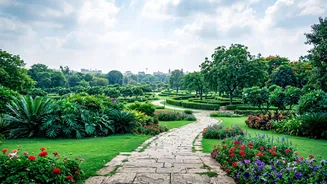
In central India, the 'Sirpur Cultural and Archaeological Landscape' in Chhattisgarh has also been recognised. Situated on the banks of the Mahanadi River, Sirpur was the capital of the ancient kingdom of Dakshina Kosala between the 5th and 12th centuries. What makes this site extraordinary is the peaceful coexistence of Hindu, Buddhist, and Jain traditions. Excavations have revealed an extensive city with brick temples, grand monasteries, and thousands of artefacts, confirming its status as a major centre for religion, art, and trade. The famed 7th-century traveller Xuanzang even documented the flourishing Buddhist culture here, adding to its historical importance.
The Significance for India
This recognition is a moment of immense pride and a significant boost for heritage conservation in India. For the Andaman sites, it highlights the country's unique geological diversity, which is often overshadowed by its cultural landmarks. For Sirpur, it brings to light a unique history of religious harmony and sophisticated urban planning from over a millennium ago. Inclusion on the Tentative List can attract international attention, fostering more profound research, better conservation strategies, and the potential for developing sustainable heritage tourism. This helps protect these sites for future generations while also providing economic opportunities for local communities.
The Long Road to the Final List
While a celebratory moment, the journey is far from over. India, through the Archaeological Survey of India, must now prepare exhaustive nomination dossiers for each site. These detailed files must prove 'outstanding universal value' and include comprehensive management and conservation plans. Once submitted, the nominations will be rigorously evaluated by independent advisory bodies like the International Council on Monuments and Sites (ICOMOS) for cultural sites and the International Union for Conservation of Nature (IUCN) for natural sites. The final decision to inscribe a site on the prestigious World Heritage List is made annually by the World Heritage Committee, composed of representatives from 21 countries.