





Understanding the New Visa-Free Rule
Effective September 15, 2026, Thailand has revised its visa exemption policy for tourists from several countries, including India. Under this new framework, Indian passport holders traveling for tourism can enter Thailand without a visa and stay for up
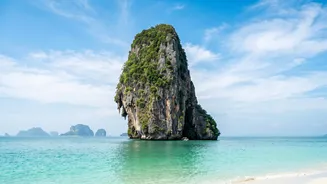
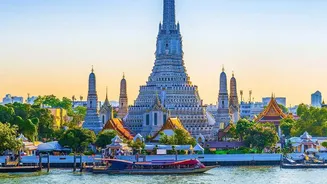
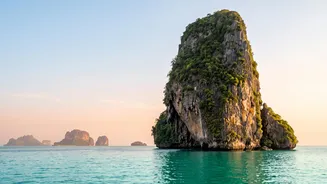
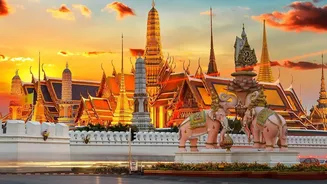
to 30 days. This change replaces a previous temporary scheme from 2024 that had permitted a longer 60-day visa-free stay. The new regulation aims to standardize tourism rules while continuing to welcome genuine holidaymakers. For most tourists, a 30-day period provides ample time to explore the country's diverse attractions, from the bustling streets of Bangkok to the serene beaches of Krabi and the cultural heart of Chiang Mai.
Key Requirements for Entry
While a visa is no longer required for short stays, travellers must still meet several entry conditions. Immigration officials will require you to present a valid Indian passport with at least six months of validity remaining from your date of arrival. You must also have a confirmed return or onward flight ticket showing you intend to leave within the 30-day period. Proof of accommodation, such as hotel bookings for your stay, is also necessary. Furthermore, each traveller must be prepared to show proof of sufficient funds, specified as at least 20,000 Thai Baht in cash per person. This is to ensure visitors can support themselves during their stay. Finally, all travellers must complete the Thailand Digital Arrival Card (TDAC) online within 72 hours before arriving in the country.
Planning Your 30-Day Thai Adventure
A 30-day stay opens up a world of possibilities beyond the typical short-break itinerary. Instead of choosing between the north and the south, you can now comfortably experience both. You could spend a week exploring the historic temples and vibrant markets of Bangkok before flying south to the islands. A month allows you to go island-hopping in the Andaman Sea, exploring Phuket, Krabi, and the Phi Phi Islands at a relaxed pace. Alternatively, you could head north to Chiang Mai and Chiang Rai for a deep dive into Lanna culture, jungle treks, and visits to elephant sanctuaries. This extended period is also ideal for those interested in wellness retreats or attending one of Thailand's famous festivals without feeling rushed. It's particularly beneficial for travellers planning destination weddings or other celebrations, which often require more time.
What If You Want to Stay Longer?
If 30 days isn't enough, it may be possible to extend your stay. Travellers can apply for a one-time extension of up to 30 additional days at a local Thai immigration office before their initial 30-day permit expires. This process involves an application fee of 1,900 Baht, and approval is at the discretion of the immigration authorities. It's crucial not to assume an extension will be granted. For those who know from the outset that they wish to stay longer than 30 days for tourism, or for those travelling for non-tourism purposes like work or study, applying for the appropriate visa through a Royal Thai Embassy or Consulate before travelling is the correct and necessary procedure. The visa exemption is strictly for tourism.
A Boost for Thai-Indian Tourism
This policy adjustment comes as Thailand continues to solidify its position as a top destination for Indian tourists. India is one of the largest and fastest-growing tourism markets for Thailand, with millions of visitors arriving each year. The government's decision to permanently include India in the 30-day visa exemption category, an upgrade from the older Visa on Arrival system, reflects the importance of Indian visitors to the Thai economy. While the reduction from the temporary 60-day period is a change, the new rule provides stability and predictability for travellers, making it easier than ever for Indian families, solo adventurers, and luxury travellers to plan their perfect Thai holiday.