





Understanding Thailand's Shoulder Season
The shoulder season is the sweet spot between the peak tourist rush and the quiet off-season. In Thailand, this typically falls during two main periods: April to June and again from September to October. These months mark the transition between the dry,
cool high season (November to February) and the heart of the monsoon. While you can expect some rain, it's often not the all-day downpour many imagine. More commonly, you'll experience short, intense showers in the afternoon, with mornings and evenings remaining clear and pleasant. This weather pattern, combined with fewer tourists, creates a more relaxed and authentic atmosphere.
The Meaning of Affordable Luxury
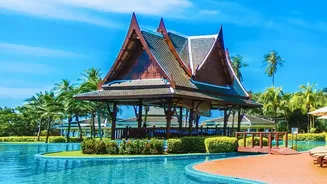
This is where the magic happens for young professionals looking to maximise their travel budget. During the shoulder season, demand for flights and accommodation drops, leading to significant price reductions. That exclusive beachfront resort or city hotel with a rooftop infinity pool that seems out of reach during peak season suddenly becomes accessible. Five-star hotels often offer promotions, with some travellers finding luxury stays for a fraction of the high-season cost. Beyond just a cheaper room, you'll find fewer crowds at iconic temples, popular beaches, and famous restaurants, allowing for a more intimate and enjoyable experience.
Island Hopping: Where to Find Sun
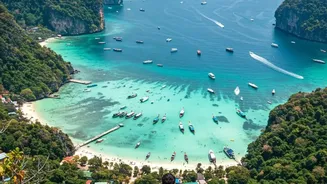
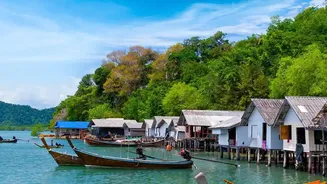
Choosing the right island is key during the shoulder months. The weather patterns differ between Thailand's two coasts. From September to October, the Gulf Coast, which includes popular islands like Koh Samui, Koh Phangan, and Koh Tao, often experiences better weather than the Andaman side. These islands are great for those looking for serene beaches, spa retreats, and water activities in calmer seas. Conversely, the Andaman Coast (Phuket, Krabi) can be a good option from April to June. While there's a chance of rain, you'll be rewarded with lush, green landscapes and waterfalls at their most impressive.
Urban Exploration and Cultural Immersion
The shoulder season is arguably the best time to explore Thailand's bustling cities and cultural heartlands. In Bangkok, afternoon rain offers a perfect excuse to dive into world-class shopping malls, explore fascinating museums, or indulge in a traditional Thai massage. The brief downpours also help to cool the city down. In Northern Thailand, cities like Chiang Mai and Chiang Rai are exceptionally beautiful during this time. The countryside is vibrant and green, the rice paddies are lush, and the air is often cooler and cleaner. With fewer tourists, you can explore ancient temples and lively markets at a more leisurely pace.
Tips for Indian Travellers
For Indian passport holders, Thailand remains a highly accessible destination. The country offers a visa-exemption scheme, allowing tourists to enter without applying for a visa beforehand. As of mid-September 2026, this scheme permits a stay of up to 30 days. This is typically more than enough time for a holiday. To get the best deals, book flights and hotels in advance, even during the shoulder season. Look for direct flights from major Indian cities to Bangkok or Phuket. Embrace the local culture by trying street food, which is both delicious and budget-friendly, and use convenience stores for daily essentials to save money.