






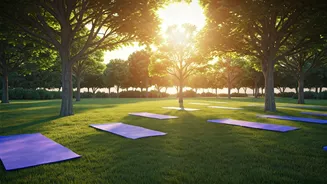


A Digital Dawn for an Ancient Ritual
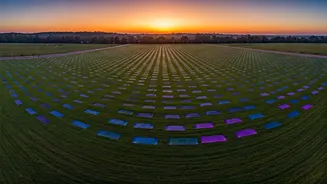
This wasn't your typical Yoga Day gathering in a crowded park. On the 10th International Day of Yoga, the nation witnessed a remarkable fusion of ancient heritage and digital innovation. From the bustling metros of Mumbai and Delhi to quieter towns in Kerala
and Assam, countless individuals joined massive online sessions to perform Surya Namaskar, the classic 12-step sun salutation. Major organisations and government bodies, including the Ministry of Ayush, orchestrated these events, using platforms like YouTube, Zoom, and dedicated apps to guide participants in real-time. The goal was simple yet ambitious: to create a moment of collective consciousness, where breath and movement were synchronized not by physical proximity, but by a shared digital signal. It was a powerful display of how a practice rooted in antiquity can find vibrant, new expression in the 21st century.
The Logistics of Virtual Unity
Pulling off a synchronized event on this scale is a technological feat. It required not just a stable internet connection, but a carefully coordinated effort. Yoga instructors, often broadcasting from serene studio settings, led the sessions with precise verbal cues and demonstrations. On the other side were participants of all ages and fitness levels, rolling out their mats in front of laptops, tablets, and smartphones. The experience was designed to be immersive. High-definition streams, clear audio, and multiple camera angles helped bridge the distance, making it feel as if the guru was right there in the room. This digital format democratized participation, removing barriers of geography and physical mobility. An elderly person in Pune could flow in unison with a college student in Chennai, united by a common purpose and a shared Wi-Fi stream.
Why Surya Namaskar?
The choice of Surya Namaskar was deliberate and significant. More than just a sequence of asanas, it is considered a complete sadhana (spiritual practice) in itself, encompassing postures, breathing, and meditation. It’s a holistic workout for the body and mind, symbolizing gratitude to the sun, the source of all life and energy. By focusing on this single, powerful sequence, the event created a common language that all participants, from novice to expert, could understand and follow. It bypassed the complexity of varied yoga styles and focused on a foundational practice known across the country. This simplicity was key to its mass appeal, allowing for a seamless and meditative experience that emphasized unity and rhythm over athletic prowess.
A Legacy of the Pandemic Era
The rise of large-scale online wellness events is, in many ways, a legacy of the global pandemic. The lockdowns forced a global pivot to virtual living, and the wellness industry adapted with remarkable speed. Indians, who had long practiced yoga in community spaces, embraced online classes as a way to stay connected and maintain their well-being. What started as a necessity has now evolved into a preference for many. The convenience of practicing from home, combined with access to top-tier instructors from anywhere in the world, has permanently altered the landscape. This Yoga Day event wasn’t a temporary substitute for a physical gathering; it was a celebration of a new, hybrid model of community and wellness that is here to stay, blending the best of both the physical and digital worlds.
More Than Just an Event
Ultimately, the synchronized online Surya Namaskars were more than just a well-executed digital event. They were a reflection of a modern India that is confident in its cultural roots and adept at using technology to amplify them. It demonstrated a collective desire for well-being and a search for connection in an increasingly fragmented world. As thousands of individuals inhaled and exhaled together, they were part of a larger national rhythm, a quiet but powerful statement about unity, health, and the enduring relevance of an ancient path to inner peace. It was a moment that captured the essence of Yoga Day’s theme: 'Yoga for Self and Society.'