




Leafy Green Vegetables
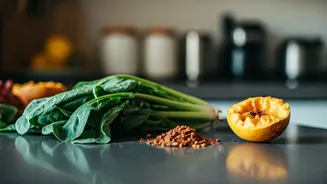
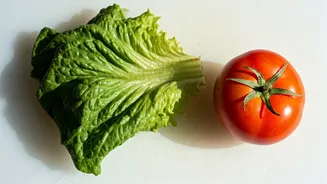
Leafy greens like spinach, kale, and coriander have a high moisture content, making them susceptible to wilting and decay in humid weather. The real issue, however, is the invisible bacterial growth that can occur long before the leaves look slimy or discoloured.
Heavy rains can also splash soil-borne contaminants onto the leaves. To keep them fresh, avoid washing greens until you are ready to use them. When you do store them, pat them completely dry and wrap them loosely in a paper towel before placing them in a breathable bag in the refrigerator. This absorbs excess moisture and helps them stay crisp and safe to eat for longer.
Spices and Flours
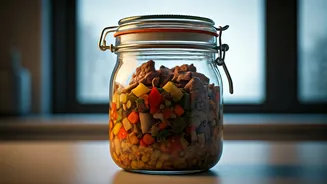
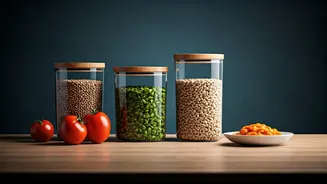
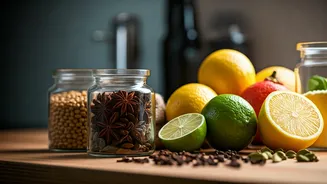
Humidity is the enemy of dry goods. Spices can lose their aroma and flavour, while both spices and flours can become clumpy. More concerning is that this moisture absorption can lead to mould growth, which may not be immediately visible or easy to detect by smell. Consuming flour with even early-stage fungus can be harmful. The best defence is storing them in truly airtight containers, preferably made of glass, in a cool, dark cupboard away from the steam of the stove. For extra protection, some people add a few grains of uncooked rice to salt or sugar containers to absorb any intruding moisture.
Cut Fruits and Vegetables
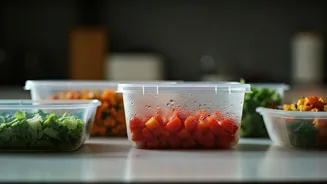
Once the protective skin of a fruit or vegetable is broken, it becomes an open invitation for bacteria. During the monsoon, the airborne moisture accelerates this process significantly. A platter of cut fruit or a bowl of salad ingredients left on the counter can become a breeding ground for microbes much faster than in drier weather. While the food may look perfectly fine, it might already be unsafe. To minimise risk, it is best to cut fruits and vegetables just before consumption. If you must prep ahead, store them in airtight containers in the refrigerator and consume them within a few hours.
Cooked Rice and Leftovers
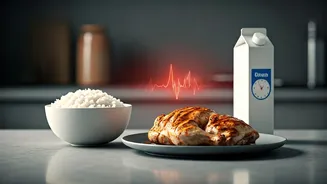
Cooked rice is a well-known risk for foodborne illness, and this risk is amplified during the monsoon. Rice can contain spores of a bacterium called Bacillus cereus, which survive the cooking process. When left at room temperature in a humid environment, these spores can germinate and produce toxins that are not destroyed by reheating. Similarly, other leftovers, especially those with gravies or high moisture content, spoil rapidly. The rule of thumb is to cool leftovers quickly and get them into the refrigerator within two hours of cooking to prevent dangerous bacterial growth.
Bread and Baked Goods
Bread, buns, and other baked items act like sponges in humid air. They absorb moisture, which can lead to rapid mould growth. Often, this mould begins to grow within the bread before it becomes visible on the crust. Experts warn against simply cutting off a mouldy spot, as the microscopic roots of the mould can spread throughout the entire loaf. During the rainy season, it is wise to store bread in a cool, dry place and consume it quickly. If you buy in larger quantities, consider refrigerating or freezing slices to extend their shelf life.
Dairy and Coconut-Based Dishes
Milk, paneer, curd, and dishes made with fresh coconut are particularly vulnerable in the monsoon. High moisture in the air encourages the rapid multiplication of bacteria. A dairy product might only taste slightly off while already containing a high bacterial load. Coconut, with its natural oils and moisture, is also a prime medium for spoilage, causing chutneys and curries to go bad unexpectedly fast. Always return dairy products to the refrigerator immediately after use and ensure any dishes containing fresh coconut are refrigerated if not consumed right away.