



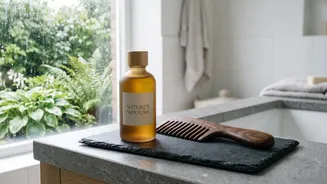

As the monsoon retreats, it often leaves behind a hair hangover: frizz, weakness, and unexpected hair fall. Before you reach for the straightener to tame the chaos, consider this: your styling tools might be the enemy your hair doesn't need right now.
The Post-Monsoon Hair Hangover
During the monsoon, high humidity forces your hair to absorb excess moisture from the air. This causes the hair shaft to swell and the cuticle—its protective outer layer—to lift. Think of it like a wooden door that swells and sticks in damp weather. Your hair does the same, leading to that puffy, frizzy look. As the season shifts and the air becomes drier, your hair starts to lose this moisture, but not in a controlled way. The cuticle remains slightly raised and weakened from the constant swelling and contracting, leaving your strands porous, rough, and extremely vulnerable to damage. This transitional phase is when hair is at its most fragile.
Why Heat Becomes the Ultimate Enemy
Applying high heat to hair that is already in this compromised state is a recipe for disaster. Heat styling tools work by using high temperatures to break and reform the hydrogen bonds in your hair, setting it into a new shape. However, on porous, post-monsoon hair, this process does more harm than good. The intense heat rapidly strips away the remaining natural moisture, a phenomenon known as 'flash drying'. This sudden dehydration causes the already-lifted cuticles to become brittle and crack. Instead of smoothing the hair, you are essentially baking the damage in, leading to significant breakage, split ends, and a straw-like texture.
The Science of Strand Stress
Each hair strand has a core (the cortex) and a protective layer (the cuticle). During the monsoon, the constant moisture exchange weakens the cuticle. When you introduce extreme heat, you are applying a powerful stressor to a weak defence system. Damaged hair is more porous, meaning it absorbs and loses moisture unevenly. Heat styling exacerbates this by creating weak spots along the hair shaft. These spots are where breakage and split ends are most likely to occur. It becomes a vicious cycle: you use heat to manage the frizz caused by humidity, but the heat itself causes more damage, making your hair even more susceptible to frizz in the long run.
Smarter Styling: Embrace the Air-Dry
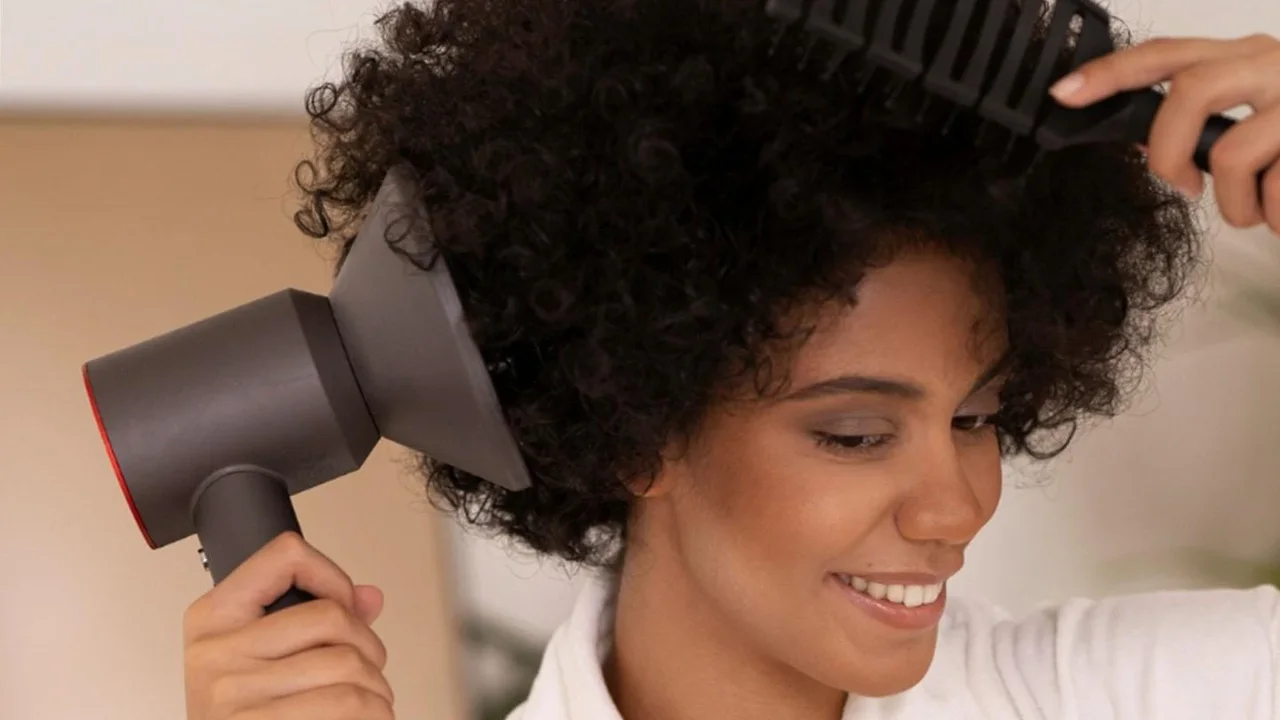
Giving your hair a break from heat is the kindest thing you can do for it post-monsoon. Instead, focus on gentle drying and styling techniques. Gently blot your hair with a soft cotton t_shirt or a microfibre towel instead of rubbing it vigorously, which can cause friction and breakage. Use a wide_toothed comb to detangle, starting from the ends and working your way up. If you must use a dryer, stick to the cool or low_heat setting to gently remove dampness without 'cooking' the hair shaft. Consider protective styles like loose braids or buns, which keep fragile ends tucked away and prevent tangling without putting stress on the roots.
Build a Supportive Recovery Routine
Minimising heat is just one part of the recovery plan. Focus on replenishing lost moisture and strengthening the hair from within. A weekly deep conditioning mask can help restore moisture, improve elasticity, and smooth the roughed_up cuticles. Regular oiling before a wash with ingredients like coconut or argan oil can also nourish the scalp and hair. Ensure you are using a gentle, sulphate_free shampoo to cleanse without stripping the hair of its natural oils. Finally, a lightweight, leave_in conditioner or anti_frizz serum applied to damp hair can provide a protective barrier against environmental stressors and help manage frizz without the need for heat.