





More Than Just a Garden
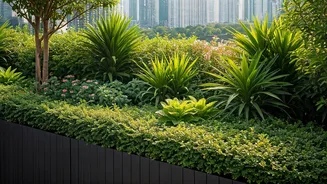
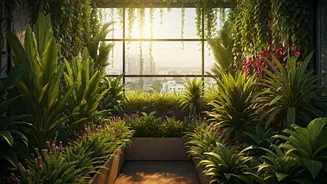
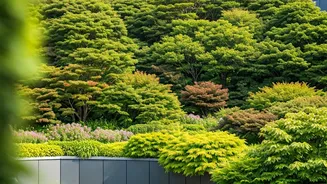
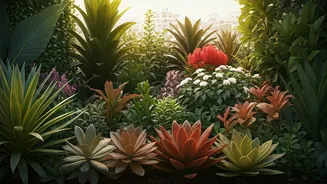
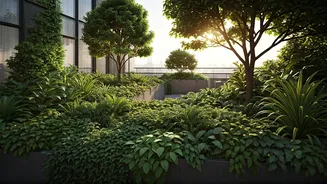
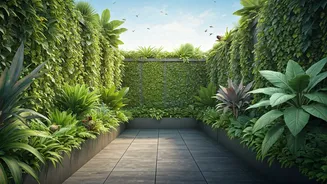
This isn't your average collection of potted plants. A terrace forest is a deliberate attempt to create a dense, multi-layered, and self-sustaining ecosystem on a rooftop. [5] The goal is to mimic the structure of a natural forest with a canopy layer of trees,
an understory of shrubs, and lower layers of herbaceous plants. [5] Many enthusiasts are adopting principles from the Miyawaki method, a technique developed by Japanese botanist Dr. Akira Miyawaki, which involves planting diverse native species close together to encourage rapid, upward growth. [14, 17] This creates a dense, biodiverse habitat far quicker than conventional plantations. While a simple terrace garden is a collection of individual plants, a terrace forest aims to become an interconnected system where root networks support each other, enhancing resilience, as seen in a Bengaluru-based project that withstood heavy storms. [15, 10]
Why the Sudden Growth Spurt?
Several factors are driving this green shift in cities like Bengaluru, Mumbai, and Delhi. [5] A primary motivator is the desire for healthier, pesticide-free food, which has led many to start their own edible gardens that eventually evolve into more complex 'forest gardens'. [3] The strain of urban life—rising pollution, the urban heat island effect, and a general disconnect from nature, amplified during the pandemic—has also pushed city dwellers to seek green solace. [5, 9] For some, like a 23-year-old in Delhi who has cultivated a rooftop haven for over 200 bird species, it's about actively restoring biodiversity. [11] This personal action is supported by a broader national push for greening urban spaces, with initiatives like the Nagar Van Yojana aiming to increase forest cover in cities. [18]
The Tangible Benefits of a Rooftop Jungle
The advantages of these personal forests extend beyond aesthetics. The thick foliage provides significant urban cooling, reducing indoor temperatures and cutting down on air-conditioning costs. [5, 10] These green patches act as natural air purifiers, improve local air quality, and serve as vital carbon sinks. [18, 5, 20] One Bengaluru engineer noted that his terrace forest lowered ambient temperatures by 3-4 degrees Celsius and improved the air quality index by 10-12%. [10] They also become crucial biodiversity pockets, attracting birds, bees, and butterflies, and reintroducing a sliver of wilderness into the urban landscape. [5, 9] Furthermore, these spaces offer proven mental health benefits, as nurturing a garden is known to be a therapeutic activity that counters stress. [5, 27]
The Practical Realities and Challenges
Creating a forest in the sky is not without its hurdles. The first and most critical step is a structural assessment of the building's roof to ensure it can bear the significant weight of soil, water, and mature plants. [5] Proper waterproofing and drainage are also non-negotiable to prevent leaks and structural damage to the building below. [27] The initial setup cost can be a consideration, with a full rooftop farm potentially costing between ₹15,000 to over ₹30,000, though starting small is always an option. [4, 8] Finally, a terrace forest is a commitment. While a mature Miyawaki-style forest can become largely self-sustaining after a few years, it requires consistent watering, organic pest management, and patience during its initial establishment phase. [12, 5]