





The Ultimate Preservation Environment
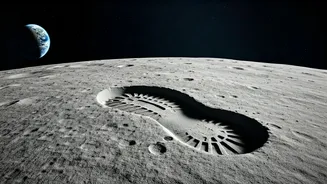
The secret to the footprints’ incredible longevity lies in what the Moon lacks. Here on Earth, an impression in dirt or sand is fleeting. It’s quickly erased by wind, washed away by rain, or disturbed by plants and animals. Our planet is a dynamic, living
world with a thick, active atmosphere that is constantly weathering its surface. The Moon, however, has none of these things. It exists in a near-perfect vacuum with virtually no atmosphere. There is no wind to blow the dust away, no water to wash the footprints out, and no life to trample over them. In essence, the Moon is a colossal, silent museum, and the lack of an erosive environment is the primary reason these historic marks persist.
Are They 'Perfectly' Intact?
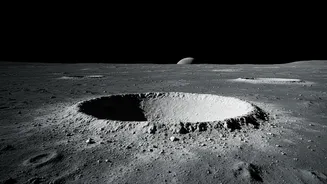
While the headline claim is powerful, the reality is slightly more complex. The footprints are not being eroded by weather, but they aren't entirely immune to change. The Moon’s surface is constantly bombarded by a slow, steady rain of micrometeorites—tiny particles of space dust and rock moving at incredible speeds. Over thousands and millions of years, this process, known as 'space weathering,' will gradually churn the top layer of lunar soil, or regolith. This will eventually erase the astronauts' tracks, but the process is extraordinarily slow. Scientists estimate the footprints could last for millions of years before being fully erased. So, while not 'perfectly' permanent on a geological timescale, they are certainly preserved for any conceivable human timeframe.
How Do We Know They're Still There?
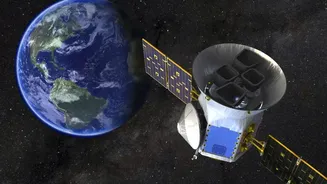
We don’t have to rely on theory alone. We have photographic proof. Since 2009, NASA's Lunar Reconnaissance Orbiter (LRO) has been circling the Moon, mapping its surface in unprecedented detail. From its orbit about 50 kilometres above the surface, the LRO has been able to photograph the Apollo landing sites. The images are breathtakingly clear, showing not just the faint traces of the astronauts' footprints, but also the distinct tracks left by the Lunar Roving Vehicles (LRVs) and the dark blast zones from the descent stages of the lunar modules. These images confirm that the remnants of humanity's first journeys to another world are still there, waiting silently in the dust.
A Legacy Beyond Footprints
The preserved artifacts are more than just footprints. The six Apollo landing sites are littered with historical items. This includes the descent stages of the lunar landers, rovers, scientific equipment, American flags (which are likely bleached white by decades of unfiltered solar radiation), and even personal items like the family photo astronaut Charles Duke left on the surface during the Apollo 16 mission. In total, there are dozens of sites and nearly 100 artifacts left by humans on the Moon, representing a unique archaeological record of the Space Race era. These sites are a testament to one of the greatest technological achievements in history.
Protecting Our Lunar Heritage
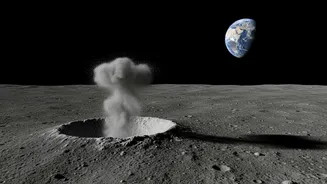
As nations and private companies like SpaceX and Blue Origin plan new missions to the Moon, a new challenge arises: how to protect these historic sites. A new lander getting too close could blast the sites with rocket exhaust, wiping the delicate footprints and tracks away forever. In response, NASA has established guidelines for future missions, recommending 'keep-out' zones around the Apollo sites. The One Small Step to Protect Human Heritage in Space Act, signed into US law in 2020, legally requires any company working with NASA to agree to protect these sites. The goal is to ensure that as we return to the Moon, we do so with respect for the history we’ve already made there, preserving the evidence of humanity's first steps into the cosmos.