




Why The Renewed Interest?
In an age of air-conditioners and instant everything, what’s driving this delicious revival? It’s a perfect blend of a few modern trends. Firstly, there’s a growing wellness movement that prioritises natural, local, and seasonal ingredients over processed
options. People are more conscious of what they consume, seeking foods that not only taste good but also offer tangible health benefits. Secondly, social media has played a huge role. Food bloggers and nutritionists are championing these humble ingredients, showcasing them in aesthetically pleasing posts and explaining their scientific benefits in an accessible way. This has introduced sattu sharbat and kokum juice to a new generation that may have missed out on them. Finally, there's a powerful wave of nostalgia and a desire to connect with our roots. These foods are not just recipes; they are carriers of memory, reminding us of simpler times and the comforting wisdom passed down through generations.
Sattu: The Original Superfood Shake
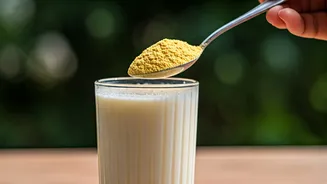
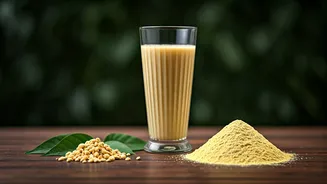
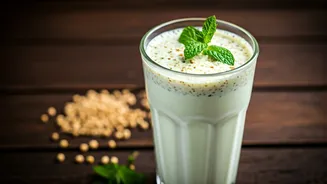
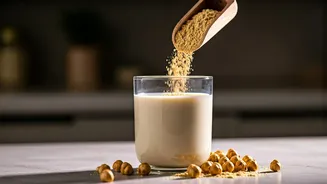
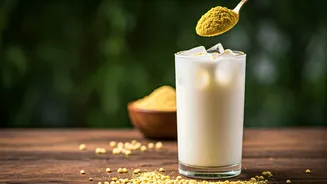
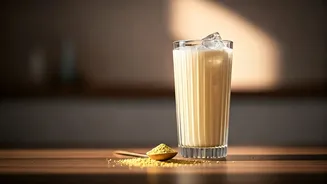
Long before protein shakes became a gym staple, the heartlands of Bihar, Uttar Pradesh, and Punjab had sattu. Made from roasted gram flour, this humble powder is a nutritional powerhouse. It’s rich in protein, fibre, and essential minerals, making it incredibly satiating. But its true magic lies in its cooling properties. A simple glass of sattu sharbat—made by mixing the flour with cold water, lemon juice, roasted cumin, and black salt—is the ultimate summer hydrator. It provides instant energy without the sugar crash of commercial drinks and helps prevent sunstroke. Its resurgence is fuelled by fitness enthusiasts looking for a natural, plant-based protein source and by anyone seeking a quick, healthy, and affordable way to cool down.
Bael: The Sacred Gut Healer
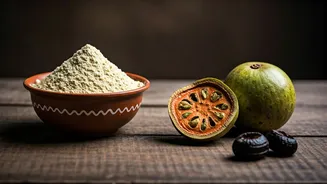
The bael fruit, or wood apple, is a summer classic, often associated with religious offerings and roadside stalls serving its thick, fragrant juice. While its hard exterior can be intimidating, the pulp inside is a medicinal treasure. Bael is renowned for its digestive benefits; it aids in curing constipation, indigestion, and other stomach ailments that can flare up in the heat. It’s also packed with Vitamin C and antioxidants. The traditional bael ka sharbat, sweetened with a touch of jaggery, is not just refreshing but also a potent tonic for gut health. As gut health becomes a central topic in modern wellness, bael is being rediscovered not as a rustic fruit but as a sophisticated, natural probiotic.
Kokum: The Konkan Coast's Ruby Gem
Travel down to the Konkan coast, and you’ll find kokum reigning supreme. This small, deep-purple fruit is a star ingredient in Maharashtrian and Goan cuisines. Its dried rind is used as a souring agent, but in summer, it’s the star of Solkadhi and kokum sharbat. Solkadhi, a beautiful pink-hued drink made with kokum extract and coconut milk, is a digestive coolant typically served with meals. The sharbat is a simple sweet-and-sour concoction that instantly quenches thirst. Kokum contains garcinol, an antioxidant that has anti-inflammatory properties, and it’s also known to combat acidity. Its vibrant colour and unique tangy flavour are now finding their way into modern restaurant menus and gourmet cocktails, giving this regional hero a well-deserved national spotlight.
Pakhala Bhaat and Thayir Saadam: The Rice Coolers
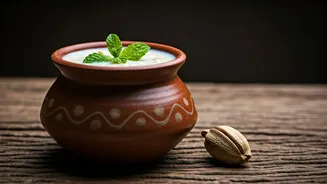
Rice, a staple across India, transforms into a powerful cooling agent in the summer. In Odisha and Bengal, Pakhala Bhaat (fermented rice) is a cherished tradition. Cooked rice is soaked in water and left to ferment overnight, then served with accompaniments like fried fish, potatoes, or greens. The fermentation process creates a probiotic-rich, easily digestible meal that cools the body from within. Similarly, in the South, Thayir Saadam (curd rice) is the ultimate comfort food for hot days. It's a simple mix of cooked rice, yoghurt, and a tempering of mustard seeds and curry leaves. Both dishes work on the same principle: they are light on the digestive system, incredibly hydrating, and restore the body's natural balance, proving that sometimes the simplest meals are the most effective.