
A Strategic Shift in Tourism
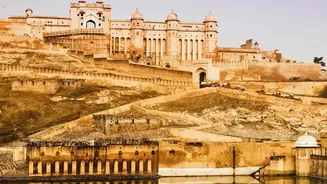
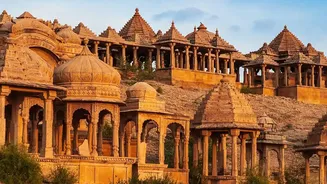
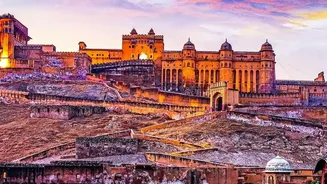
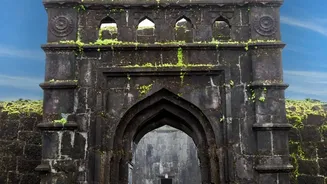
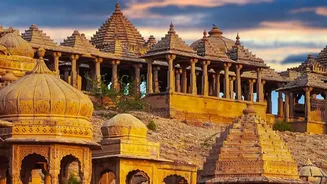
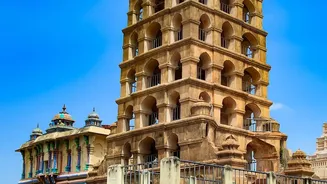
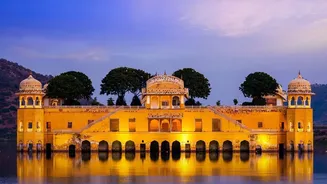
Rajasthan's government is actively widening its tourism strategy, aiming to move beyond its most famous heritage sites. The goal is to position the state as a destination with diverse experiences, encouraging travellers to explore lesser-known regions.
This push, confirmed by tourism officials in August 2026, aims to distribute tourist footfall more evenly, create new economic opportunities, and make Rajasthan a year-round destination. Instead of just monumental forts, the focus is shifting to immersive cultural journeys, wellness, and adventure. In this new chapter, regions like Shekhawati, once overlooked by many, are stepping into the spotlight.
The World's Largest Open-Air Art Gallery
So, what is Shekhawati? Nestled in northeastern Rajasthan, the region comprising districts like Sikar, Jhunjhunu, and Churu is famously called the 'world's largest open-air art gallery'. Its claim to fame isn't grand palaces but thousands of 'havelis'—ornate mansions built by wealthy Marwari merchants between the 18th and 19th centuries. These merchants, who amassed fortunes from trade routes that once connected India with China and the Middle East, poured their wealth into building spectacular homes. The architecture itself is a beautiful blend of Rajput and Mughal styles, but the real magic is painted on the walls.
Walls That Tell Stories
The havelis of Shekhawati are covered, inside and out, with vibrant and detailed frescoes. These intricate paintings served not only as a display of wealth but also as a vivid chronicle of the times. The themes are incredibly diverse. You’ll find scenes from Hindu mythology, such as the life of Lord Krishna, right next to depictions of local legends and daily life. More surprisingly, the frescoes also capture the dawn of the modern era. As merchants travelled, they brought back new influences, resulting in fascinating paintings of the first motorcars, gramophones, steam trains, and even European gentlemen in colonial attire. Wandering through towns like Mandawa, Nawalgarh, and Fatehpur is like walking through a living history book.
Creating a Cohesive Tourist Circuit
The state’s tourism department is not just talking; it's taking concrete steps. A 'Shekhawati Haveli Conservation Scheme' was initiated in late 2025 to identify and preserve these heritage properties. The plan involves developing a formal tourist circuit connecting key towns like Mandawa, Nawalgarh, Fatehpur, Ramgarh, and others. More than 600 havelis have already been identified for potential revival. Furthermore, the government is working on financial incentives to encourage the restoration of fresco art and the development of homestays, allowing travellers to experience the region's unique hospitality firsthand. This structured approach is designed to make the region more accessible and attractive to modern tourists seeking authentic experiences.
The Promise of Authentic Travel
For today's traveller, who often seeks experiences over simple sightseeing, Shekhawati offers something increasingly rare: authenticity. Unlike the crowded main attractions, exploring the lanes of Shekhawati can feel like a personal discovery. It offers a slower, more intimate glimpse into a slice of 19th-century merchant culture that remains remarkably intact. Many havelis are still occupied by the original families, while others have been converted into charming heritage hotels, providing a direct link to the region's past. This unique blend of art, history, and rustic charm perfectly aligns with Rajasthan's goal of promoting meaningful, experience-led travel.