






That familiar winter scene: you pull off a cosy beanie and suddenly your hair defies gravity, each strand floating in a staticky halo. It’s a common cold-weather frustration, especially for those with fine hair. But what’s really going on?
The Science of Winter Static
The culprit
behind your hair standing on end is simple science: static electricity. This happens when friction causes a transfer of electrons between two objects, like your hair and a wool scarf. One object loses electrons and becomes positively charged, while the other gains them and becomes negatively charged. In your hair, this leaves individual strands with the same positive charge, causing them to repel each other like magnets. Why is this so much worse in winter? It all comes down to humidity. Humid summer air contains moisture that helps dissipate this electric charge naturally. But cold winter air holds very little moisture. When you add in dry indoor heating, the air becomes so parched that it can actually pull moisture from your hair, making it the perfect environment for static charges to build up with nowhere to go.
Why Fine Hair Is a Magnet for Static
While all hair types can experience static, fine hair is particularly susceptible. Each strand has less weight, so it doesn't take much of an electrical charge to make it lift off and float away. Drier, damaged hair is also more prone to static because its outer layer, the cuticle, is often raised, creating more friction and losing moisture more easily. The combination of fine texture and the moisture-stripping conditions of winter creates a perfect storm for flyaways. The constant rubbing against hats, scarves, and coat collars only makes the problem worse, generating more and more friction-based charge throughout the day.
The Magic of a Lightweight Spray
This is where anti-static sprays come to the rescue. These products work by tackling the problem at its source. Many are formulated with positively charged ingredients, such as cationic polymers or amino acids, that neutralise the negative charge that builds up on your hair. Others work by adding a micro-thin, conductive layer to the hair's surface. This coating either attracts trace amounts of moisture from the air or simply allows the static charge to dissipate rather than build up. The key is that these sprays add hydration and neutralise charge without weighing the hair down, which is crucial for fine textures that can easily become flat and greasy. Think of it as giving your hair a shield that both moisturises and calms electrical energy.
How to Choose and Use Your Spray
When shopping for a solution, look for products labelled 'anti-static', 'anti-frizz', or 'smoothing'. Keywords like 'lightweight', 'touchable', or 'flexible hold' are your best friends, as they signal a formula that won't leave fine hair feeling stiff or heavy. Ingredients like glycerin and aloe attract moisture, while certain conditioning agents like Cetrimonium Chloride are specifically included to combat static. For best results, application is key. Instead of spraying directly onto your head, which can concentrate the product in one spot, try misting it onto your brush before combing through your hair. This ensures an even, light distribution from root to tip. You can also spray a small amount into your palms, rub them together, and gently smooth them over any flyaways. For a quick fix on the go, you can even keep a travel-sized bottle in your bag.
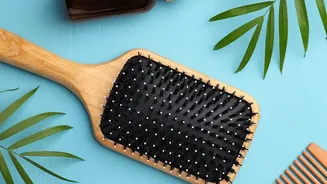
While sprays are a fantastic tool, a few other habits can make a big difference. Start with a hydrating shampoo and conditioner to ensure your hair has a good moisture baseline. Using a leavein conditioner after washing can also provide a lasting layer of protection. Consider switching to a microfiber towel, which causes less friction than traditional terry cloth towels. When brushing, opt for a brush with natural bristles or an ionic hairbrush over a plastic one, as plastic can increase static buildup. Finally, choosing hats and scarves made from natural fibres like cotton or silk over synthetics like polyester and acrylic can significantly reduce the friction that kicks off the static cycle in the first place.