





More Than Just the Best Price
When we think of travel research, the first thing that often comes to mind is saving money. While finding a great deal on flights and hotels is a definite perk, the real value of research goes much deeper. It’s about understanding the difference between
price and value. A cheaper hotel might seem like a win, but what if it’s far from the city centre, requiring expensive taxis? Research helps you see the bigger picture. It allows you to weigh the cost of a direct flight against one with a long layover, factoring in the value of your time and comfort. This process shifts the goal from simply finding the cheapest option to identifying the smartest one, ensuring your hard-earned money is spent on creating the best possible experience, not just securing the lowest price tag.
Finding Your Perfect Holiday Style
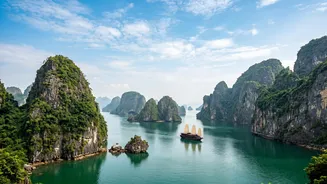
Are you an adventure seeker dreaming of trekking in the Himalayas, or does your ideal vacation involve relaxing on a quiet beach in Goa? Perhaps you're planning a multi-generational family trip where activities need to cater to everyone from children to grandparents. Research is the key to matching a destination with your unique travel personality. Comparing a bustling city like Singapore, known for its theme parks and attractions, with a culturally rich and relaxed destination like Vietnam or Sri Lanka helps you understand which environment will truly help you unwind and create lasting memories. For families, research uncovers kid-friendly resorts, accessible sightseeing options, and the general safety of a location, ensuring a smooth and enjoyable holiday for all.
The Power of Real Experiences
Glossy travel brochures and official websites show a picture-perfect version of every destination. However, the most valuable insights often come from fellow travellers. Almost 95% of travellers read reviews before booking. Platforms with travel blogs, vlogs, and detailed reviews offer a ground-level view of what to expect. These firsthand accounts provide honest feedback on everything from hotel cleanliness and service to the real-world atmosphere of a local market. They can alert you to common tourist traps, recommend hidden gems, and provide practical tips that aren't found in official guides. For Indian travellers, this can be especially useful for finding authentic vegetarian food, understanding local customs, and getting a feel for a place from a relatable perspective.
Navigating the Practical Details
A dream holiday can quickly turn into a nightmare if the practicalities aren't sorted. Thorough research helps you navigate the essential but often overlooked details of travel planning. This includes checking visa requirements for Indian passport holders well in advance, as rules can change. It also involves understanding local transportation options to budget effectively, learning a few basic phrases in the local language, and being aware of cultural etiquette to show respect and interact smoothly. More recently, travellers are also using research to assess environmental risks and extreme weather conditions when choosing where to go. Taking care of these details beforehand frees you up to immerse yourself fully in the experience once you arrive.
Crafting a Smarter Itinerary
One of the biggest mistakes travellers make is trying to do too much in too little time. Research helps you build a realistic and enjoyable itinerary. Instead of just listing attractions, you can use tools like Google Maps to understand travel times between locations and plan your days logically. Many Indian travellers now prefer slower, more immersive vacations over jam-packed schedules. Research allows you to prioritise what truly matters to you, whether it's spending an entire afternoon at a museum, taking a leisurely food tour, or simply relaxing. With the rise of AI-powered trip planners, creating a draft itinerary is faster than ever, giving you a solid starting point to customise your perfect holiday.
Ensuring a Safe and Secure Journey
Finally, good research is crucial for your safety and peace of mind. This means looking into which neighbourhoods are safe for tourists, being aware of common scams, and understanding local emergency numbers. An essential part of this safety net is travel insurance. It is a critical component that covers unforeseen medical emergencies, which can be incredibly expensive abroad, as well as trip cancellations or lost luggage. Knowing you are protected against the unexpected allows you to relax and enjoy your adventure without worry. The confidence that comes from being well-prepared is one of the most significant benefits of doing your homework before you travel.