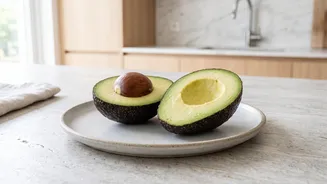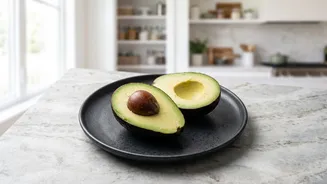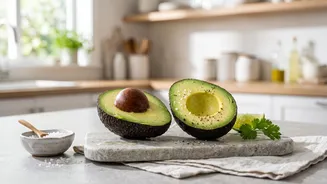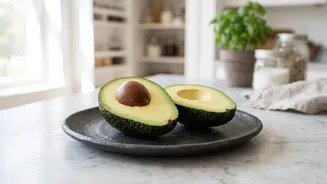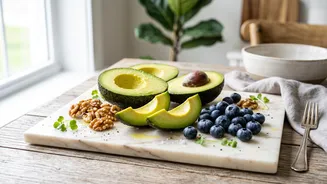







Avocados have earned a top spot in the modern diet, celebrated for their creamy texture and nutrient profile. But beyond the hype, what's the real story on their brain benefits? Let's take a closer look at one key nutrient: folate.
What Is Folate and Why Does Your Brain Care?
Folate, also known as
vitamin B9, is a powerhouse nutrient essential for your body's most fundamental processes. Its name comes from the Latin word 'folium', meaning leaf, since it's abundant in leafy greens. Folate plays a crucial role in DNA synthesis and repair, cell growth, and the formation of red blood cells. For the brain, its job is particularly critical. It helps produce neurotransmitters, the chemical messengers that regulate everything from mood and focus to memory. Studies have shown that low folate levels can be associated with cognitive decline, fatigue, and even a lower mood. In essence, getting enough folate is a non-negotiable part of maintaining your mental sharpness and overall neurological health.
The Avocado-Folate Connection
So, where do avocados fit in? The popular fruit is indeed a good source of naturally occurring folate. A single avocado can provide a significant portion of your daily folate needs. According to some sources, one serving (about one-third of a medium avocado) can contain around 10% of your daily value for folate. The recommended daily amount for most adults is 400 micrograms (mcg) of dietary folate equivalents (DFE). While one avocado won't single-handedly meet this target, it makes a meaningful contribution. It's one more reason to appreciate this fruit, which also delivers heart-healthy monounsaturated fats, dietary fiber, and vitamin K.
A Balanced Perspective on Brain Health
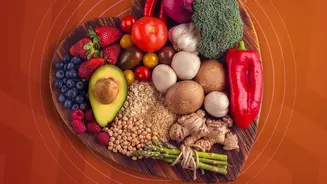
Here's where we need to zoom out. While the folate in avocados is beneficial, no single food is a magic bullet for brain health. Over-relying on one 'superfood' is less effective than cultivating a diverse and nutrient-rich diet. The key to optimal brain nutrition lies in variety. Excellent sources of folate are widespread and easy to find. Dark leafy greens like spinach and romaine lettuce, asparagus, Brussels sprouts, and broccoli are packed with it. Legumes such as lentils, chickpeas, and other beans are also folate stars. You can also get a good dose from citrus fruits, nuts, and seeds. Many grain products like bread, pasta, and cereals are fortified with folic acid, the synthetic form of folate, which has helped reduce deficiencies on a population-wide level.
More Than Just One Nutrient
To give the avocado its due credit, its brain-boosting potential extends beyond folate. The fruit is famously rich in monounsaturated fats, which are crucial for brain health. Nearly 60% of your brain is composed of fat, and these healthy fats support blood flow and help protect brain cells. Avocados also contain antioxidants like vitamins C and E, and lutein, which help protect the brain from oxidative stress, a factor in cognitive aging. Studies suggest that regular avocado consumption may be linked to better attention and memory, but researchers agree that more long term studies are needed. The combination of healthy fats, fiber, and micronutrients makes it a valuable component of a brain support diet, not just a source of one vitamin.
Smart Ways to Enjoy Avocados
Incorporating avocados into your diet is simple, but moderation is key given their calorie density. Rather than just adding them on top of your existing meals, think of them as a replacement for less healthy fats. Mash a quarter of an avocado on toast instead of butter. Add slices to a salad for creaminess and a nutrient boost. Blend it into a smoothie for a thicker texture and a dose of healthy fats and fiber. The goal is to integrate avocados into an already balanced eating pattern. Pairing them with other brain healthy foods—like having avocado toast with a side of spinach and eggs, or adding it to a salad with walnuts and berries—creates a synergistic effect that supports your overall well being far more than any single ingredient could on its own.