





Focus on Adding, Not Subtracting
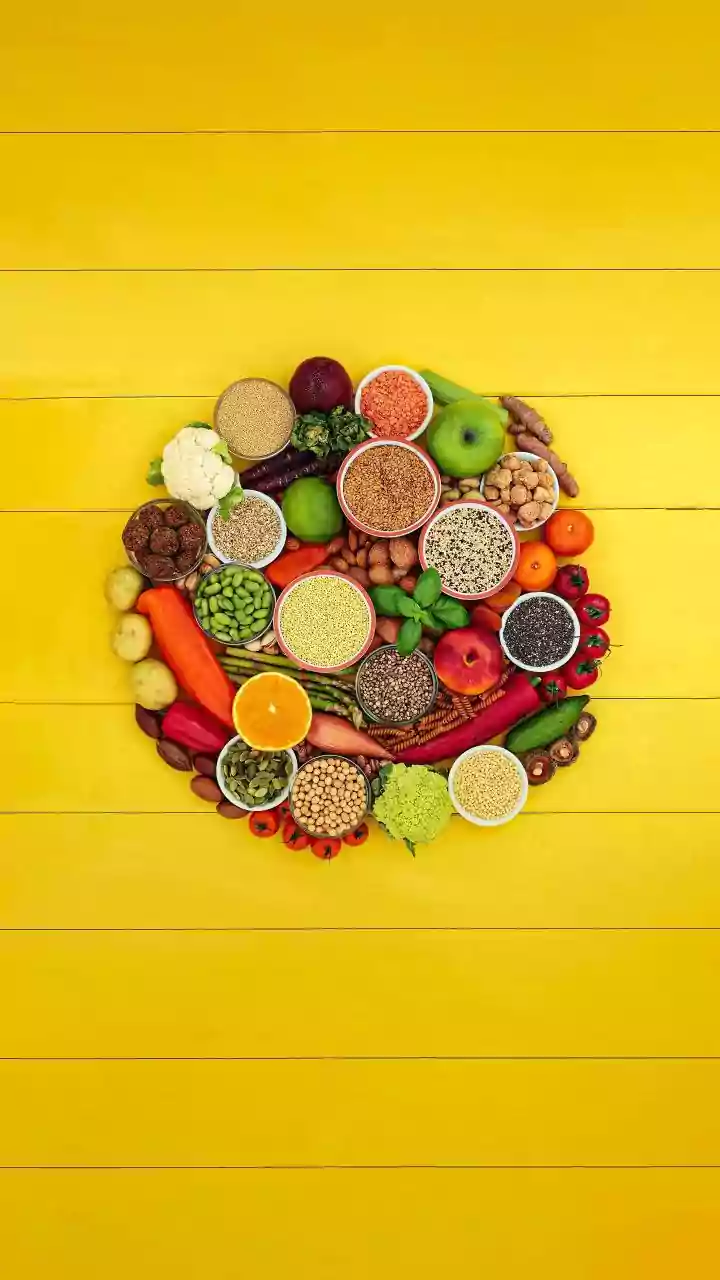
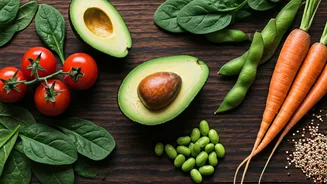
Instead of dwelling on what to cut out, shift your mindset to what you can add to your plate. The goal is to crowd out less nutritious options with vibrant, nutrient-dense foods. Think about adding a serving of vegetables to your lunch and dinner, incorporating
a piece of fruit as a snack, or sprinkling seeds on your morning yoghurt. This approach feels abundant rather than restrictive and naturally increases your intake of vitamins, minerals, and fibre. Over time, you'll find yourself feeling more satisfied and full, with less room for highly processed foods. A 2019 study highlighted that individuals on an unprocessed diet consumed significantly fewer calories than those on an ultra-processed diet, suggesting that a focus on whole foods can naturally regulate intake.
Practise Mindful Eating
In our fast-paced world, we often eat while distracted—watching TV, working, or scrolling through our phones. Mindful eating is the practice of paying full attention to the experience of eating. Before a meal, take a moment to notice the colours, smells, and textures of your food. As you eat, chew slowly and put your utensils down between bites. This simple act gives your brain time to register fullness signals, which can prevent overeating. It also helps you distinguish between true physical hunger and emotional triggers like stress or boredom, allowing you to build a healthier relationship with food. Start by trying to eat just one meal or snack per day without distractions.
Prioritise Protein and Fibre
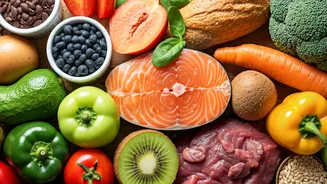
Protein and fibre are power players when it comes to satiety—the feeling of being full and satisfied. Including a good source of lean protein (like eggs, chicken, fish, or legumes) and fibre (from whole grains, vegetables, and fruits) in every meal can help keep hunger at bay for longer. Protein boosts metabolism and takes more energy to digest compared to refined carbohydrates. Similarly, fibre-rich foods like wholewheat pasta, brown rice, and potatoes with the skins on help you feel full for longer. A balanced breakfast that includes protein and fibre, such as eggs on whole-grain toast or oatmeal with nuts, can set you up for a day of better choices and fewer cravings.
Hydrate Smarter
It’s easy to mistake thirst for hunger. Staying adequately hydrated is one of the simplest and most effective ways to manage cravings and support your body's overall function. Make water your beverage of choice. Sugary drinks like sodas and even fruit juices can add a significant number of calories without making you feel full. If you find plain water unappealing, try infusing it with lemon, cucumber, or mint. Sparkling water, herbal teas, and lower-fat milk are also healthy choices. The UK government recommends drinking 6 to 8 glasses of fluid per day, in addition to the fluid from food.
Ditch the 'Good' vs. 'Bad' Food Labels
A sustainable approach to eating requires letting go of food-related guilt and rigid labels. There are no inherently 'good' or 'bad' foods, only better or worse overall dietary patterns. Labelling foods can create a cycle of restriction followed by overindulgence. Instead, aim for moderation and variety. Using an approach like the 80/20 rule, where you focus on eating nutrient-dense foods 80% of the time and allow for flexibility the other 20%, can create a balanced and enjoyable lifestyle. This allows you to savour a piece of cake at a celebration or enjoy a meal out with friends without feeling like you've failed. This balanced mindset is crucial for long-term success.
Listen to Your Body's Cues
For years, many of us have been trained to eat by the clock or external rules rather than our own internal signals. Learning to listen to your body is a fundamental step toward eating better without dieting. Before reaching for food, ask yourself: 'Am I truly hungry?' Physical hunger builds gradually, while emotional hunger can appear suddenly. Similarly, practice stopping when you're satisfied, not stuffed. It can be helpful to aim for about 80% full. By tuning into your body's natural hunger and fullness cues, you empower yourself to eat intuitively and provide your body with the fuel it actually needs.