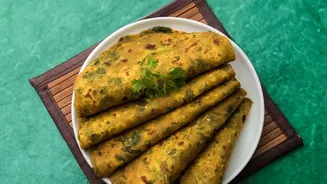

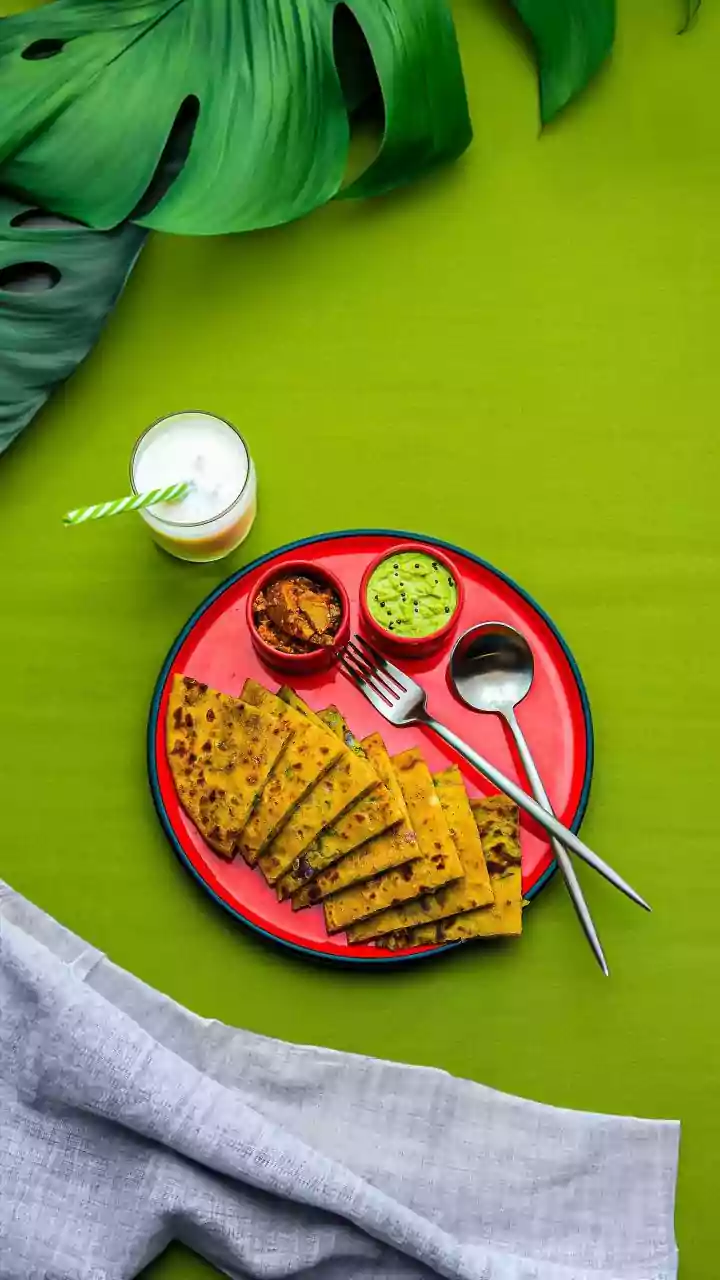
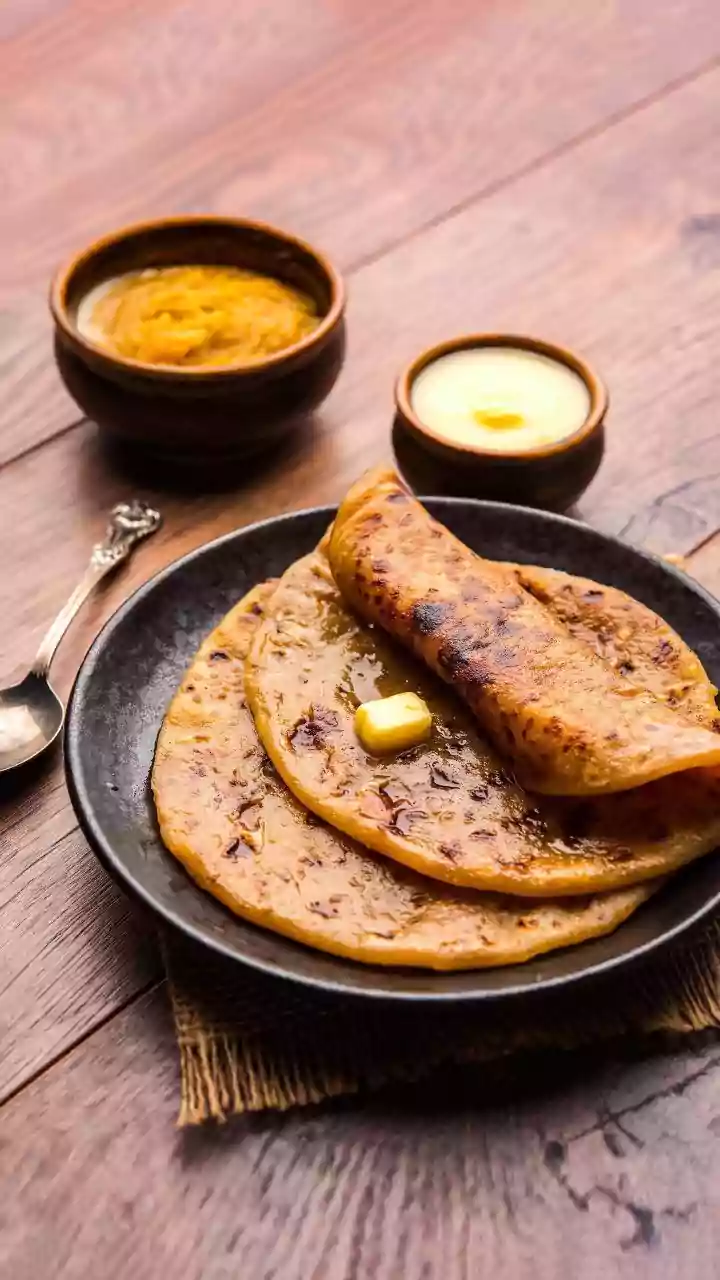



As winter mornings arrive with a distinct chill, the craving for a warm, comforting, and nourishing breakfast grows. This jowar-mooli paratha is the perfect answer, blending the goodness of a classic millet with a seasonal vegetable favourite.
A Perfect Winter Partnership
Winter is
synonymous with hearty, warming foods, and this paratha fits the description perfectly. The season brings an abundance of fresh, crisp radishes (mooli), which are at their nutritional peak. Combining them with sorghum (jowar), a traditional Indian millet, creates a dish that is not only delicious but also seasonally appropriate. Radishes are known to have a warming effect on the body and can help combat common winter ailments like coughs and colds by clearing congestion. This paratha cleverly incorporates these benefits into a familiar and beloved breakfast staple, making it an easy and flavourful way to embrace seasonal eating.
The Power of Sorghum
Sorghum, or jowar, is a nutritional powerhouse that has been a part of Indian diets for centuries. As a gluten-free grain, it is an excellent alternative for those with gluten sensitivity or celiac disease. Jowar is packed with dietary fibre, which aids digestion, helps manage blood sugar levels, and promotes a feeling of fullness, which can assist in weight management. It's also a rich source of essential nutrients like iron, magnesium, phosphorus, and B vitamins, which are vital for bone health, energy production, and overall well-being. Its mild, slightly nutty flavour provides a perfect canvas for the sharp taste of radish and spices.
Radish: The Unsung Winter Hero
Often relegated to a simple salad component, the humble radish (mooli) is a star ingredient in its own right, especially during winter. It is incredibly beneficial for digestion, helping to detoxify the liver and prevent issues like constipation and bloating. Radishes are also a great source of Vitamin C, which is crucial for boosting immunity during the colder months when illnesses are more common. Furthermore, they are rich in potassium, which helps in regulating blood pressure and supporting heart health. This recipe harnesses all these benefits, transforming the crisp vegetable into a soft, flavourful filling.
Your Step-by-Step Recipe
This recipe integrates the radish directly into the dough, making it simpler than a traditional stuffed paratha. Ingredients: - 1.5 cups jowar (sorghum) flour - 1 cup grated radish (mooli) - 0.5 cup finely chopped radish leaves (optional) - 1-2 green chillies, finely chopped - 1 tsp grated ginger - 0.5 tsp ajwain (carom seeds) - 0.5 tsp red chilli powder - Salt to taste - Hot water for kneading - Ghee or oil for cooking Instructions: 1. In a large bowl, combine the jowar flour, grated radish, radish leaves, green chillies, ginger, ajwain, red chilli powder, and salt. 2. Mix the ingredients thoroughly first. The moisture from the radish will begin to moisten the flour. 3. Gradually add hot water and carefully knead to form a soft, pliable dough. Be cautious not to add too much water at once. The dough should be smooth but not sticky. 4. Divide the dough into equal-sized balls. 5. Take one ball and gently flatten it between your palms. For easier rolling, place it on parchment paper or a plastic sheet and roll it out into a 4-5 inch circle. Jowar dough can crack at the edges, which is normal. 6. Heat a tawa (griddle) on medium heat. Place the paratha on the hot tawa. 7. Cook for about a minute until one side is lightly cooked, then flip. Apply a little ghee or oil and cook the other side until golden brown spots appear. 8. Flip again, apply ghee to the first side, and press gently with a spatula to ensure even cooking. 9. Serve hot with curd, pickle, or your favourite chutney.
Tips for Perfect Millet Parathas
Working with millet flour can be different from using wheat flour. Since jowar is gluten-free, the dough lacks elasticity. Using hot water is key to making the dough soft and manageable. Kneading the dough while it is still warm also helps. Some cooks recommend squeezing the excess water from the grated radish before adding it to the flour to have more control over the dough's consistency; you can use this nutrient-rich water for kneading. Don't worry if the edges of your paratha aren't perfectly round. The rustic look is part of its charm. Finally, always roll gently and cook on a medium flame to ensure the paratha cooks through without burning.