




The Foundation: Achieving Perfect Batter Consistency
The single most important factor in a great chilla is the batter. A common mistake is a consistency that is either too thick, resulting in a dense, uncooked centre, or too thin, causing the chilla to tear. The ideal batter should have a smooth, flowing
consistency, similar to a crepe batter, not a thick pancake mix. To achieve this, add water gradually to your besan, whisking continuously to eliminate lumps. A good rule of thumb is about a 1:2 ratio of besan to water to start, adjusting as needed. For extra crispness and better binding, consider adding a tablespoon of rice flour or semolina (suji) to your batter.
Let It Rest: The 15-Minute Rule
Patience is a virtue, especially in the kitchen. Once your batter is mixed, allow it to rest for at least 15 to 20 minutes. This resting period is crucial for two reasons. Firstly, it allows the besan to fully hydrate, which results in a softer, more tender chilla. Secondly, it gives the spices time to meld, creating a more flavourful end product. This simple step also aids in better digestion.
Flavour and Texture Boosters
A plain besan chilla is good, but a well-seasoned one is great. Classic additions like finely chopped onions, tomatoes, green chillies, and fresh coriander leaves are essential. Spices like turmeric, red chilli powder, and especially ajwain (carom seeds) are non-negotiable; ajwain not only adds a distinctive flavour but also helps with digestion. For extra texture and nutrition, you can add other finely chopped or grated vegetables like capsicum, carrots, or spinach. Just be sure not to overcrowd the batter with vegetables, as this can cause the chilla to break.
Heat Management and the Tawa
Your pan and the heat level are critical players. A non-stick tawa or a well-seasoned cast-iron skillet is your best friend here. The key is to cook on a consistent medium heat. Heat that's too high will brown the outside quickly while leaving the inside raw, while heat that's too low can make the chilla stick. Before pouring the batter, ensure your pan is properly preheated. A good test is to sprinkle a few drops of water on it; if they sizzle and evaporate immediately, the pan is ready. Lightly grease the pan and wipe off any excess oil for an even cooking surface.
The Art of Spreading and Flipping
Once the tawa is hot, pour a ladleful of batter into the centre. Using the back of the ladle, gently spread it in a circular motion to form an even pancake. Don't spread it too thin, as this can make it brittle and prone to breaking. Drizzle a little oil or ghee around the edges. Now, wait. The most common flipping mistake is impatience. You should only attempt to flip the chilla once the top surface looks cooked and the edges begin to lift from the pan, which usually takes about two to three minutes. Slide a thin spatula underneath and confidently flip it over. Cook for another minute or two until golden brown spots appear.
Serving and Variations
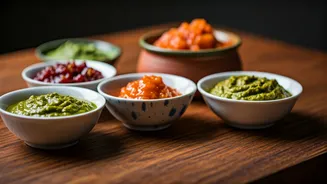
Besan chillas are best served hot, straight off the tawa. They pair wonderfully with green coriander chutney, tamarind chutney, or a simple tomato ketchup. For a more substantial meal, you can create a stuffed chilla. After flipping, spread some grated paneer, cheese, or even leftover cooked vegetables on one half before folding it over. This transforms the humble chilla into a filling and satisfying meal for any time of the day.