






Why Visit Hampi in the Monsoon?
While most travel guides recommend the dry winter months for Hampi, the monsoon season (July to September) offers a completely different, and arguably more magical, experience. The scorching heat of summer gives way to pleasant temperatures ranging from
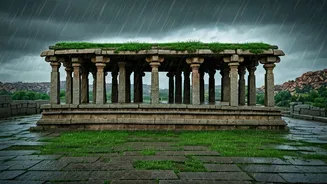
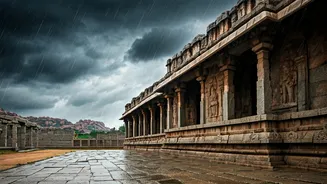
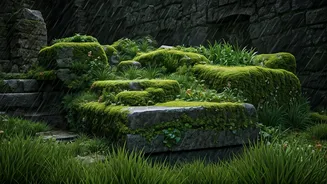
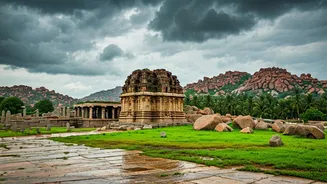
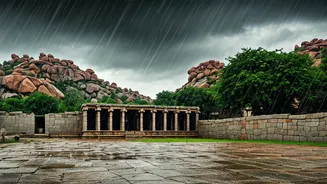
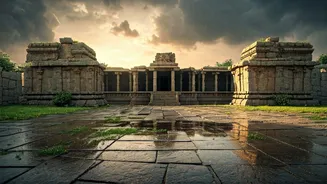
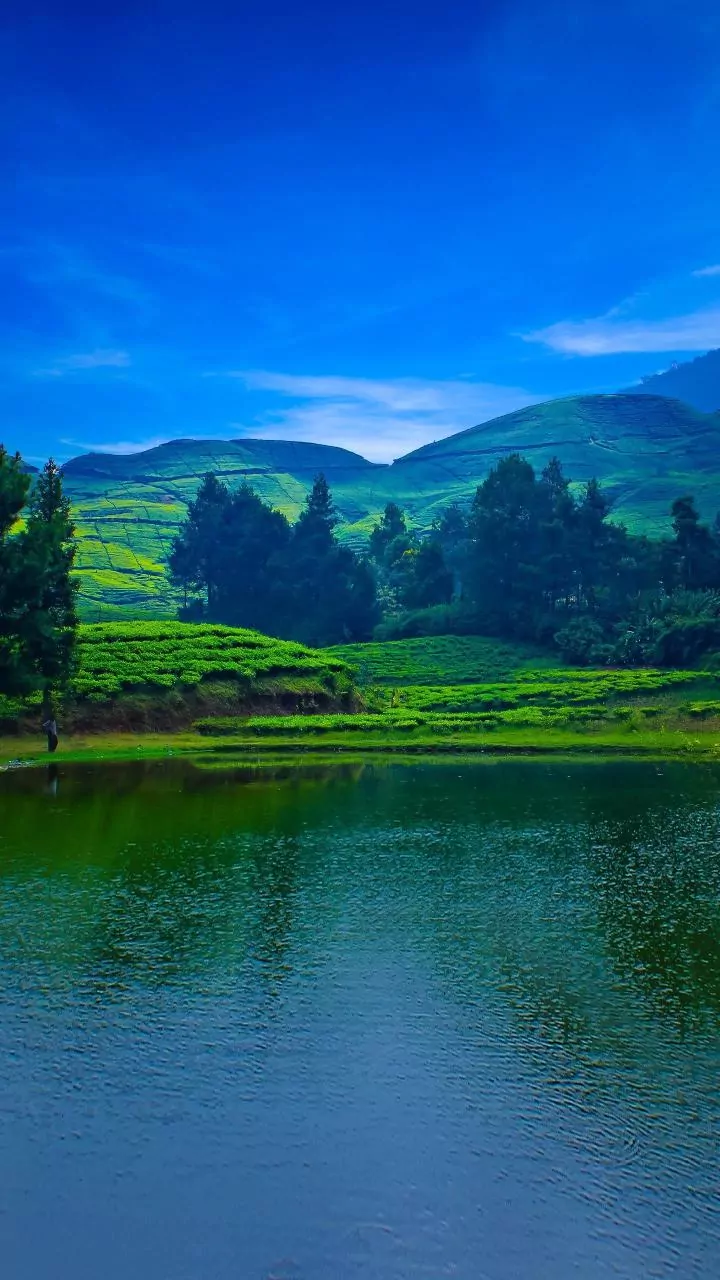
25 to 33 degrees Celsius. The arid, dusty landscape transforms into a vibrant green paradise, with paddy fields glistening and moss adding a new layer of texture to the ancient stone ruins. The most significant advantage, however, is the solitude. The peak season crowds vanish, allowing for a more intimate and personal connection with the history and atmosphere of the Vijayanagara Empire's former capital. The dramatic, cloudy skies also provide a stunning backdrop for photography, making the rain-washed temples and monuments look even more spectacular.
What to See and Experience
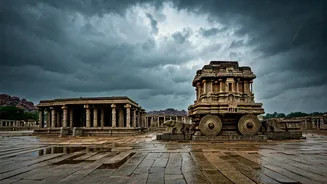
All major monuments in Hampi, including the Virupaksha and Vittala Temples, remain open during the monsoon. The rain enhances the spiritual ambience of the still-active Virupaksha Temple, while the iconic Stone Chariot at the Vittala Temple complex seems to gleam under the fresh showers. A climb up Hemakuta Hill offers breathtaking panoramic views of the rain-soaked town and its verdant surroundings. The Tungabhadra River, which is often gentle, swells dramatically, adding another layer of spectacle. While coracle boat rides and boulder climbing are generally not recommended due to safety concerns with the strong current and slippery rocks, you can still explore the surrounding villages and lush rice paddies on a rented scooter, just be sure to ride carefully on wet roads.
The Other Side of the River
The area across the Tungabhadra river, often called 'Hippie Island' (Virupapur Gaddi), takes on a quieter, more relaxed vibe during the monsoon. While the main ferry crossing may be suspended due to the high water levels, local coracles sometimes still operate, though you should always prioritise safety. Reaching the other side might require a longer road journey. The guesthouses and cafes that remain open offer a peaceful retreat, with stunning views of the overflowing river and green fields. It’s a perfect place to unwind, read a book in a hammock, and enjoy the slow, rhythmic pace of life that the rainy season brings to the region.
Practical Tips for Your Monsoon Trip
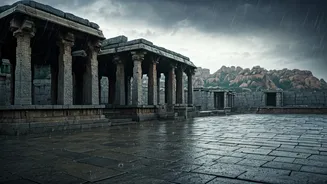
A monsoon trip to Hampi requires some planning. Pack lightweight waterproof jackets and an umbrella. The most crucial item is a pair of sturdy, non-slip walking shoes, as the ancient stone paths can become very slippery when wet. It's wise to start your sightseeing early in the day, as rains often become heavier in the afternoons. Getting around is easy with auto-rickshaws, though you can also rent a scooter. Accommodations are often available at discounted, off-season rates. While Hampi’s infrastructure is still developing, new 'Traveller Nooks' with amenities like clean toilets and drinking water are being developed to improve visitor experience.