


First, Decode the Seed Packet
Before you can match a plant to your space, you need to speak its language. The back of a seed packet is a treasure map to success, filled with vital information. Key terms to look for include "days to germination," which tells you how long until you see a sprout,
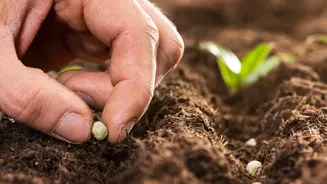
and "days to maturity," indicating the time from planting to harvest or flowering. Pay close attention to instructions on planting depth; a general rule is to plant a seed two to three times as deep as it is wide, but some seeds need light to germinate and should barely be covered. You'll also find critical details on spacing, which dictates how far apart to plant seedlings to prevent overcrowding later on, and sun requirements, which is arguably one of the most important factors for success.
Become a Sunlight Detective
The single biggest reason plants either thrive or fail is sunlight. Before you even buy a seed, you must understand the light your garden, balcony, or windowsill receives. Take a day to observe and map the sun's path across your space. Note which areas get morning sun, which are blasted by the intense afternoon heat, and which remain in shadow for most of the day. This will help you understand your garden's specific "microclimates"—small pockets where conditions like light and temperature differ from the surrounding area. A packet that says "full sun" means the plant needs at least six to eight hours of direct sunlight. "Partial sun" or "partial shade" typically means about four to six hours, preferably of less intense morning sun. "Full shade" doesn't mean no sun, but rather less than four hours of direct sun or dappled light all day.
Get Your Hands Dirty: Know Your Soil
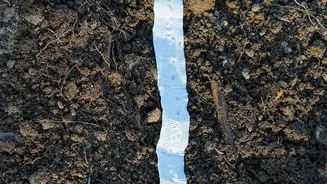
Soil is the foundation of your garden, and not all soil is created equal. A plant that needs "well-drained soil" will suffer in heavy, waterlogged clay. You can get a basic sense of your soil type with a simple test. Grab a handful of moist (not wet) soil and squeeze it. If it forms a tight, dense ball that doesn't crumble, you likely have clay soil. If it feels gritty and falls apart immediately, it's sandy. If it holds its shape but crumbles easily when poked, you have hit the jackpot with loamy soil. For container gardeners, this is less about testing and more about selecting the right potting mix. Don't use soil from your garden in pots, as it compacts easily and won't drain properly. Instead, buy a quality potting mix designed for containers, which provides the right balance of drainage and water retention.
Measure Twice, Plant Once: Respect the Space
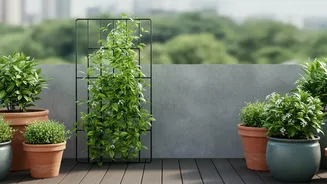
One of the most common mistakes beginners make is underestimating a plant's final size. That tiny tomato seedling can grow into a sprawling, two-metre-wide bush, and a single zucchini seed can produce a plant that takes over an entire garden bed. The "spacing" instructions on the seed packet are not mere suggestions; they are essential for plant health. Crowded plants compete for sunlight, water, and nutrients, leading to weaker growth and a higher risk of disease due to poor air circulation. For those with balconies or small patios, this is even more critical. Look at the plant's mature height and spread. This will tell you if it's a good candidate for a container and, if so, how large that container needs to be. Choosing a dwarf or bush variety of a traditionally large plant can be a game-changer for small-space gardening.