

What Makes a Tea ‘Speciality’?
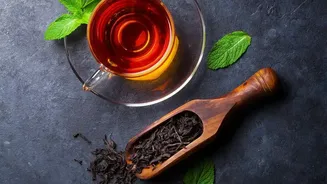
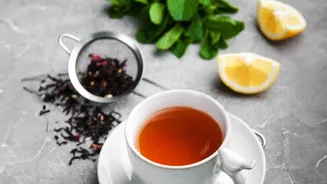
Unlike mass-produced teas blended for consistency, specialty tea is all about quality and unique character. These are often high-grade, loose-leaf teas sourced from specific regions or single estates, celebrated for their distinct and complex flavours.
They are typically cultivated with great care, hand-harvested at precise moments, and processed using traditional methods to preserve their exceptional qualities. While regular teas, often found in tea bags, are made from smaller, broken leaves called fannings and dust, specialty teas use whole or larger broken leaves that release more flavour and essential oils. Think of it as the difference between a standard table wine and a fine wine from a specific vineyard; both serve a purpose, but one offers a journey of taste.
Why Origin Is Your First Clue to Quality
Just as with wine, the concept of ‘terroir’ is crucial in the world of tea. Terroir refers to the complete natural environment in which a tea is grown, including the soil, altitude, climate, and rainfall. These factors have a profound impact on a tea's final flavour profile. For instance, high-altitude teas from regions like Darjeeling often grow slower, developing more complex floral and fruity notes. Teas from Assam, grown in a low-lying river valley with clay-like soil, are known for their robust, malty character. A tea named after its specific origin—like a 'Darjeeling' from a particular estate versus a generic 'black tea'—tells a story about its potential taste and quality. Paying attention to the origin helps you connect the flavour in your cup to the place it came from.
Decoding the Label: From Leaf to Cup
A well-designed tea label is more than just pretty packaging; it's a guide. In India, look for the FSSAI license number, which is mandatory for legally sold packaged teas. The ingredient list is your next stop. Ingredients are listed in descending order by weight, so the first one is the most dominant. For specialty teas, you might see terms like 'single-origin' or 'single-estate', indicating all the leaves come from one specific location, which often suggests a purer expression of terroir. Blends, on the other hand, mix teas from different sources to achieve a consistent or complex flavour profile. Some labels for black teas may also include a grade like 'FTGFOP' (Finest Tippy Golden Flowery Orange Pekoe), which refers to the wholeness and quality of the leaf.
Beyond the Leaf: Scrutinising Other Ingredients
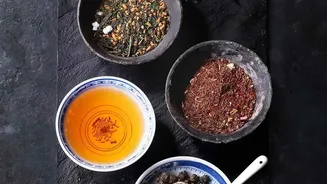
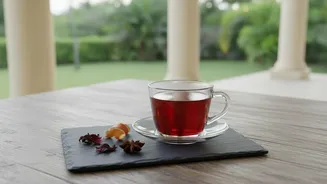
Many specialty teas are blends that include flowers, herbs, spices, and fruit pieces. When you see rose petals, cardamom, or ginger listed, you know what you're getting. However, be wary of vague terms like “flavour” or “essence.” The term “natural flavours,” while sounding wholesome, can refer to flavouring agents created in a lab from natural sources, not necessarily from the fruit or flower itself. While not inherently bad, they can sometimes be used to mask lower-quality tea leaves. If a tea promises a strong fruit flavour but the ingredient list only mentions 'natural flavouring' and not the actual fruit, it's worth being skeptical. For the purest experience, look for teas where the ingredients are simple and recognizable.
The Rise of Single-Origin Teas
Single-origin teas are increasingly popular because they offer a pure taste of a specific place. This means all the tea leaves come from one farm or region, allowing for a distinct and unblended flavour profile shaped by that area's unique environment. Buying single-origin can also be a way to support small-scale farmers and preserve traditional tea-growing methods. While blends are crafted by tea masters to create a consistent and often complex taste, single-origin teas showcase the natural variations of each harvest. One year's harvest might be slightly different from the next due to weather changes, which is part of the appeal for many connoisseurs.