






From 'Mine' to 'Ours'
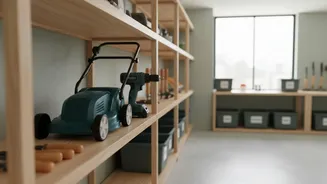
At its heart, a tool library is a simple, powerful idea. Instead of each household owning a complete set of tools that are rarely used, residents pool their resources. These shared collections, often housed in a common area, can contain everything from
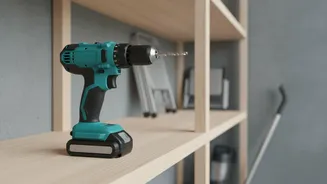
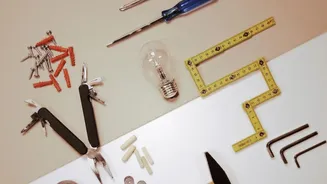
hammers and screwdrivers to power drills, lawnmowers, and ladders. Members can borrow an item when they need it and return it for the next person to use. This marks a significant shift from a mindset of individual ownership to one of collective access. It's an initiative that empowers people to borrow rather than buy. This model, sometimes called a 'Library of Things', is gaining traction in urban communities as a practical response to the challenges of modern consumption. It lowers the cost of living and improves residents' quality of life, all while fostering a more connected neighbourhood.
What is the Circular Economy, Really?
The term 'circular economy' might sound complex, but its principle is straightforward. It's the opposite of our current 'take-make-dispose' linear economy, where we extract resources, create products, and then throw them away. A circular economy aims to keep products and materials in use for as long as possible, extracting their maximum value before recovering and regenerating them at the end of their service life. Tool libraries are a perfect micro-example of this. By sharing and reusing tools, communities drastically reduce the need to manufacture new ones. This means less consumption of raw materials, less energy used in production and transport, and, crucially, less waste ending up in India's already overburdened landfills. It’s a system designed to eliminate waste and pollution by its very nature.
More Than Just Saving Money
The most immediate benefit of a tool library is financial. For residents, it eliminates the need to spend significant money on an item for one-time or infrequent use. However, the advantages extend far beyond individual cost savings. Environmentally, the impact is substantial. Shared ownership leads to a direct reduction in the number of tools purchased and eventually thrown away. This cuts down on the carbon footprint associated with manufacturing, packaging, and shipping new goods. Socially, these libraries are becoming vibrant community hubs. The simple act of borrowing a tool can spark a conversation with a neighbour, leading to stronger social bonds and a greater sense of community trust and cohesion. They create a space where neighbours can not only share tools but also skills and advice, reinforcing the idea that a community works best when its members help each other.
An Emerging Trend in Urban India
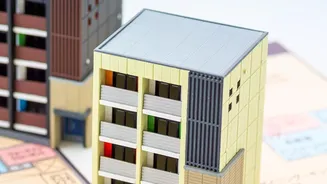
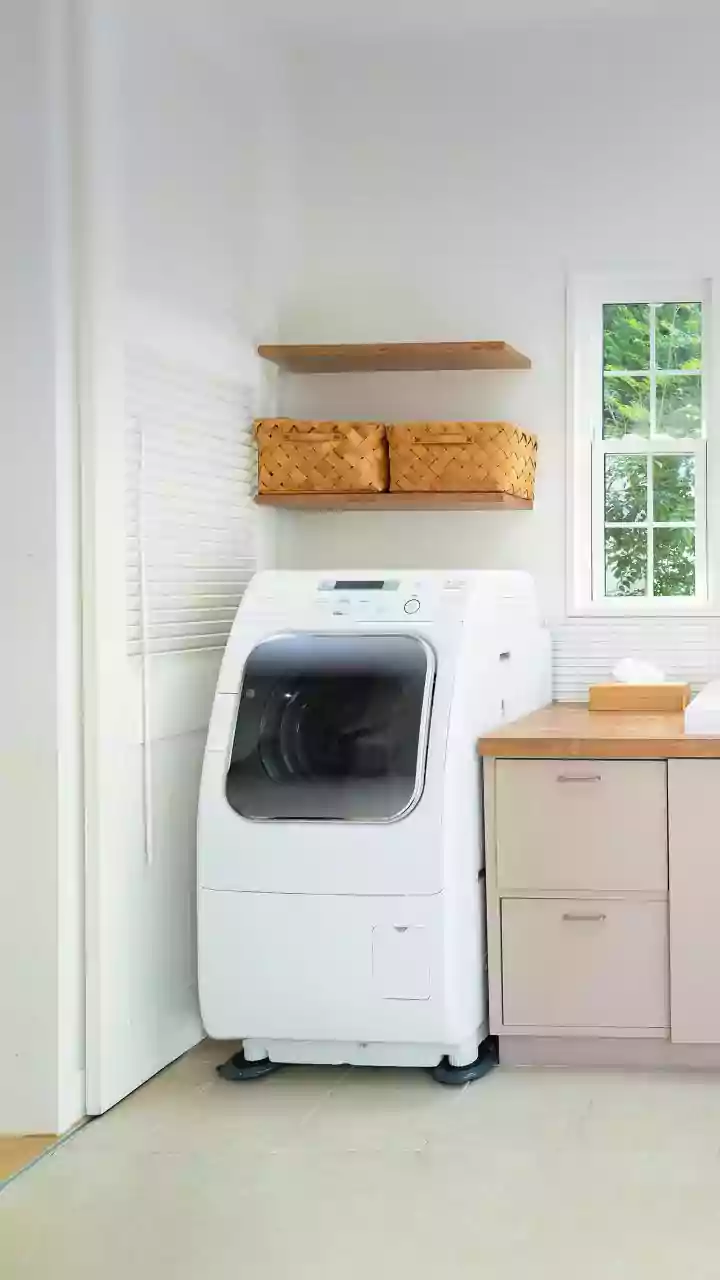
While the concept has been popular abroad, it is now being adapted for Indian housing projects. Planet Smart City, which develops affordable housing communities, has integrated the 'Library of Things' into its projects in India, using a companion app for residents to browse and reserve items. This model proves especially effective in high-density urban areas where storage space is limited and the cost of living is high. NGOs and community organisers are also promoting similar initiatives, recognising their power to foster both sustainability and social equity. These libraries are not just for tools; the model is being expanded to include everything from books and toys to kitchen appliances and sports equipment, making community living more affordable and resourceful for everyone.
Getting a Tool Library Started
Starting a tool library requires community buy-in and a bit of organisation. Key challenges often include finding a secure space, managing inventory, and ensuring tools are properly maintained. However, many societies are overcoming these hurdles with simple, effective solutions. A clear system for checking items in and out, often managed through a basic logbook or a dedicated app, is essential. Some communities establish a small membership fee or a volunteer-run system to cover maintenance and replacement costs. The most successful libraries begin with a survey of residents to gauge interest and determine which tools are most in demand. By starting small and building the collection based on community needs, housing societies can create a valuable and lasting resource that benefits everyone.