

Paw Patrol: The First Point of Contact
Your dog's paws are on the front line, constantly in contact with wet, muddy surfaces that can harbour bacteria and other irritants. Trapped moisture between the paw pads is a common cause of fungal and yeast infections during the rainy season. After
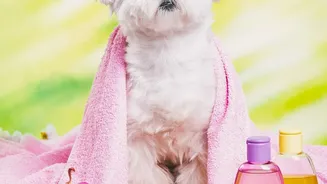
every single walk, no matter how short, it is crucial to wash and thoroughly dry your dog's paws. Use a soft towel and pay special attention to the area between the toes, as this is where moisture loves to hide. Trimming the hair around the paw pads can also improve air circulation and prevent mud from clumping. Keeping a towel right by the door is a simple habit that makes this routine easier to maintain.
Coat and Skin: The Body's Protective Barrier
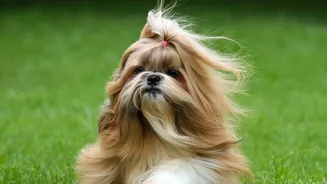
A dog's coat is its natural raincoat, but persistent dampness can weaken the skin's protective barrier, making it vulnerable. The combination of a wet undercoat and high humidity creates a warm, moist environment perfect for bacterial and fungal growth, leading to common monsoon issues like skin infections and hot spots. Regular brushing is essential during this season. It helps to remove dirt, detangle matted fur that traps moisture, and improve air circulation to the skin. While it may seem counterintuitive, you should bathe your dog less frequently during the monsoon, as over-bathing can strip the skin of its natural protective oils. When you do give a bath, ensure you use a vet-recommended shampoo.
The Art of Thorough Drying
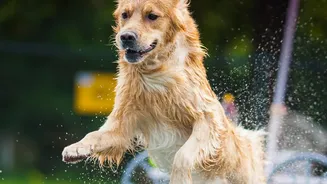
Simply towelling your dog off often isn't enough, especially for breeds with thick or double coats. The outer fur might feel dry, but moisture can remain trapped in the undercoat for hours, creating that distinct “wet dog” smell and fostering skin problems. Use a highly absorbent microfibre towel to press the water out of the coat rather than rubbing vigorously, which can cause tangles. For a complete dry, run your fingers deep into the fur to feel the skin; if it feels cool or damp, the job isn't done. A pet-specific hair dryer on a low or cool setting can be invaluable for ensuring the undercoat is completely dry, but always keep it moving to avoid irritating the skin.
Vigilant Tick and Flea Prevention
The monsoon season is peak time for parasites like ticks and fleas, which thrive in warm, humid conditions. An infestation can happen quickly and lead to everything from intense itching and skin infections to serious illnesses. It is critical to continue your dog’s regular tick and flea prevention schedule without any gaps. Consult your veterinarian for the most suitable product for your dog, whether it's a topical treatment, an oral medication, or a collar. Perform a daily body check by hand after walks, paying close attention to their ears, neck, belly, and between their toes, as these are common hiding spots for ticks.
Diet, Hydration, and Indoor Fun
During the monsoon, it's vital to ensure your dog only drinks fresh, clean water. Avoid letting them drink from puddles or stagnant water sources, which can be contaminated and cause gastrointestinal issues. Always provide boiled or filtered water in a clean bowl. Because the rains can sometimes lead to shorter or cancelled walks, your dog might get less physical exercise. To prevent boredom and pent-up energy, engage them with indoor activities. Puzzle toys, snuffle mats, and short training sessions are excellent ways to provide mental stimulation and keep them happily occupied.