



The Blueprint for Versatility
Before you start moving furniture, the first step is to plan. Identify the primary function of the room. Will it be a home office 80% of the time and a guest room only occasionally? Or is it a daily workout zone that needs to be guest-ready in a pinch?
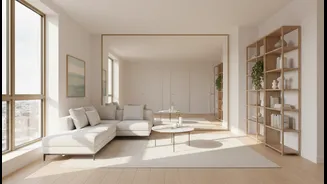
This hierarchy will guide your design choices. Measure your space and sketch out zones. Visual dividers like rugs, different lighting, or even a sheer curtain can help define areas without building walls. Think about the flow of the room and keep central pathways clear to avoid a cluttered feeling. A neutral colour palette on the walls provides a versatile backdrop that can easily be adapted with different accessories.
Furniture That Does Double Duty
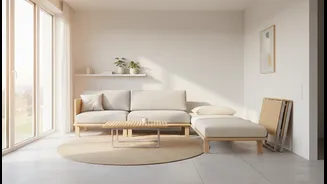
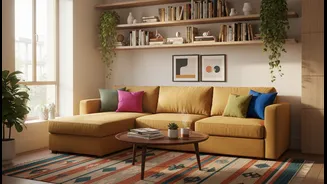
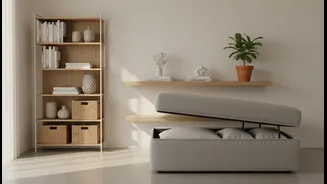
Multi-functional furniture is the hero of any flex space. For a room that needs to host guests, a sofa-cum-bed is an essential investment. Modern designs are sleek and transform in seconds, often including hidden storage for bedding. If floor space is extremely limited, consider a Murphy bed, which folds away into a cabinet. Extendable or foldable dining tables can serve as a workstation during the day and expand for meals. Similarly, nesting tables provide surfaces when you need them and tuck away neatly when you don't. Look for ottomans with built-in storage to hide away clutter like blankets, magazines, or kids' toys.
From Zen Zone to Sweat Session
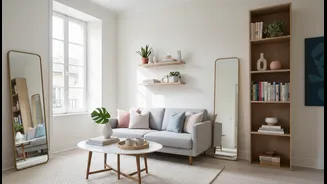
Creating a workout area doesn't require bulky, industrial machines. Focus on compact, discreet equipment. Adjustable dumbbells, for instance, can replace an entire rack of weights while taking up minimal space. Resistance bands, a yoga mat, and a jump rope can be easily stored in a basket or a stylish hamper. To protect your floors, use a dedicated, thick mat that can be rolled up and put away. If the room is also for guests, try to make the fitness elements feel intentional, not intrusive. A wall-mounted mirror can make the room feel larger and is also functional for checking your form during exercise.
Creating a Comfortable Guest Haven
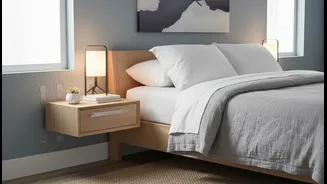
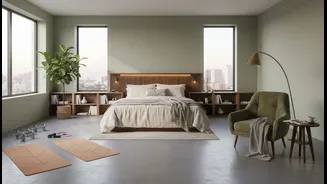
When guests arrive, the transition to a bedroom should be seamless. The key is to make the space feel welcoming and not like an afterthought. Ensure bedding is easily accessible, stored in a dedicated cabinet or storage ottoman. Clear a surface, like a small side table, for them to place their personal items. If the room lacks a built-in closet, a simple foldable luggage rack and a few empty hangers on a wall hook can make a big difference. Privacy is important, so consider using a decorative folding screen or curtains to section off the sleeping area. Soft lighting from a table lamp can create a much cosier atmosphere than a harsh overhead light.
Your Personal Sanctuary for Quiet Time
A flex space can also be your personal retreat for reading, meditation, or simply unwinding. Carve out a corner specifically for this purpose. A comfortable armchair or a plush bean bag is the foundation. Layer it with soft cushions and a warm throw. Good lighting is crucial; position your nook near a window to take advantage of natural light, and add a floor or table lamp for evenings. Keep the area free of distractions by moving laptops and phones out of sight. To create a sense of calm, bring in natural elements like a small indoor plant. Using noise-cancelling headphones can also help you create a bubble of peace, even in a busy household.
Genius Storage Is the Secret
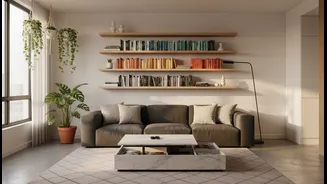
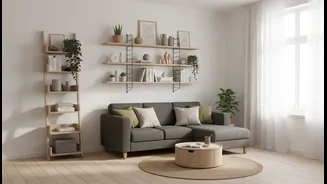
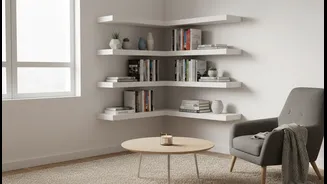
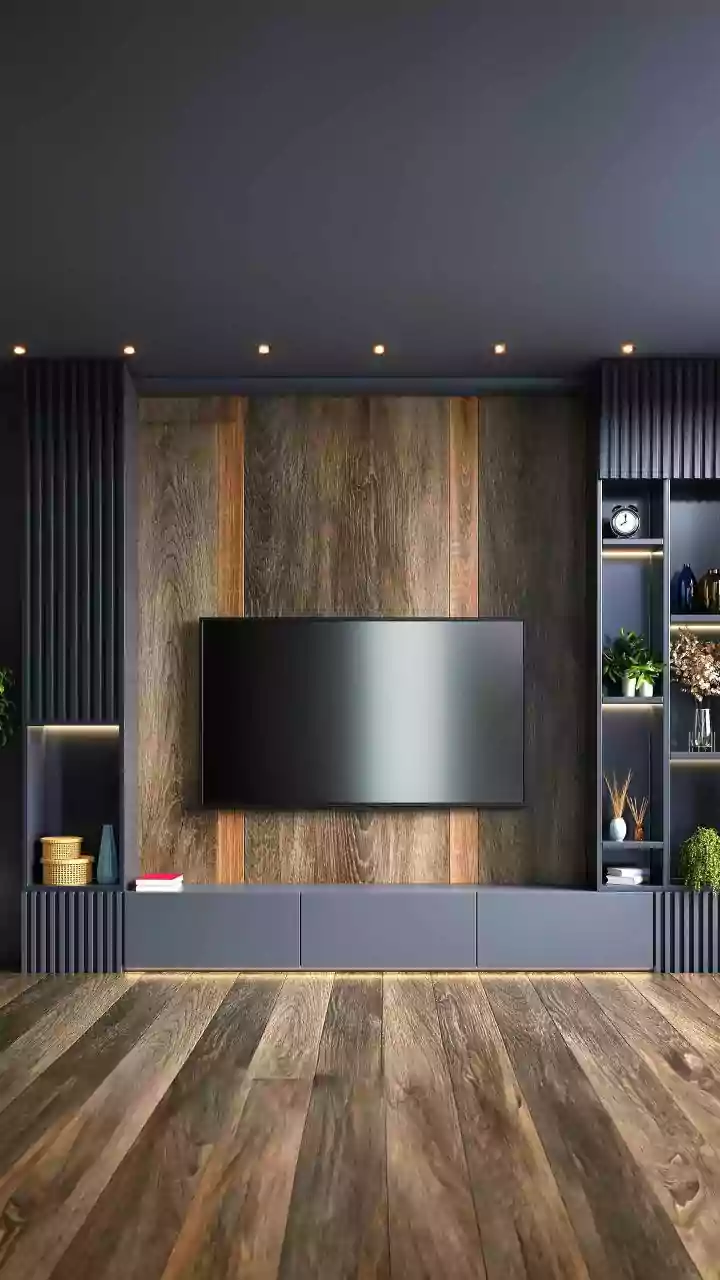
The magic that makes a flex space work is smart storage. When every item has a designated home, switching between functions becomes effortless. Go vertical with wall-mounted shelves and tall cabinets to free up floor space. Utilise hidden storage opportunities like under-bed drawers or inside ottomans. For a space that doubles as a home office and gym, closed cabinets are better than open shelves, as they hide the visual clutter of files and fitness gear. Wheeled storage carts can be easily moved out of the way, while labelled bins and boxes inside closets ensure you can find what you need quickly.